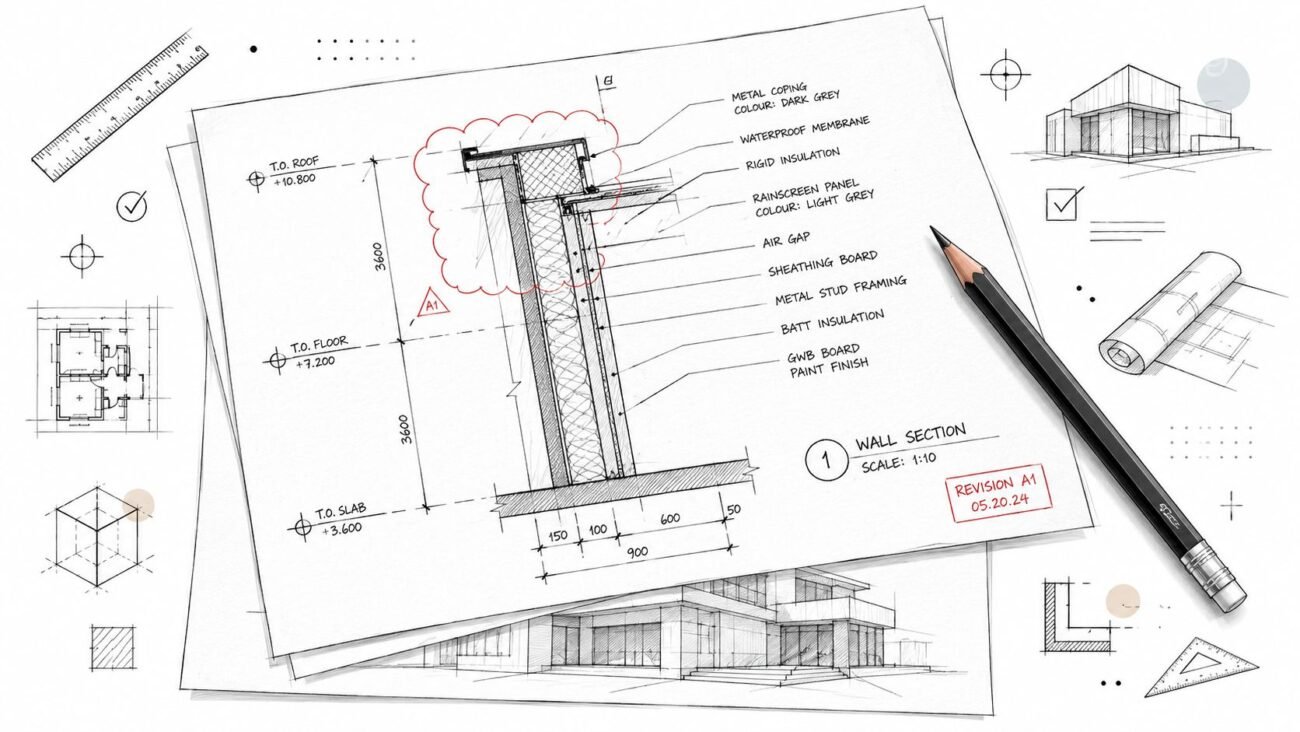
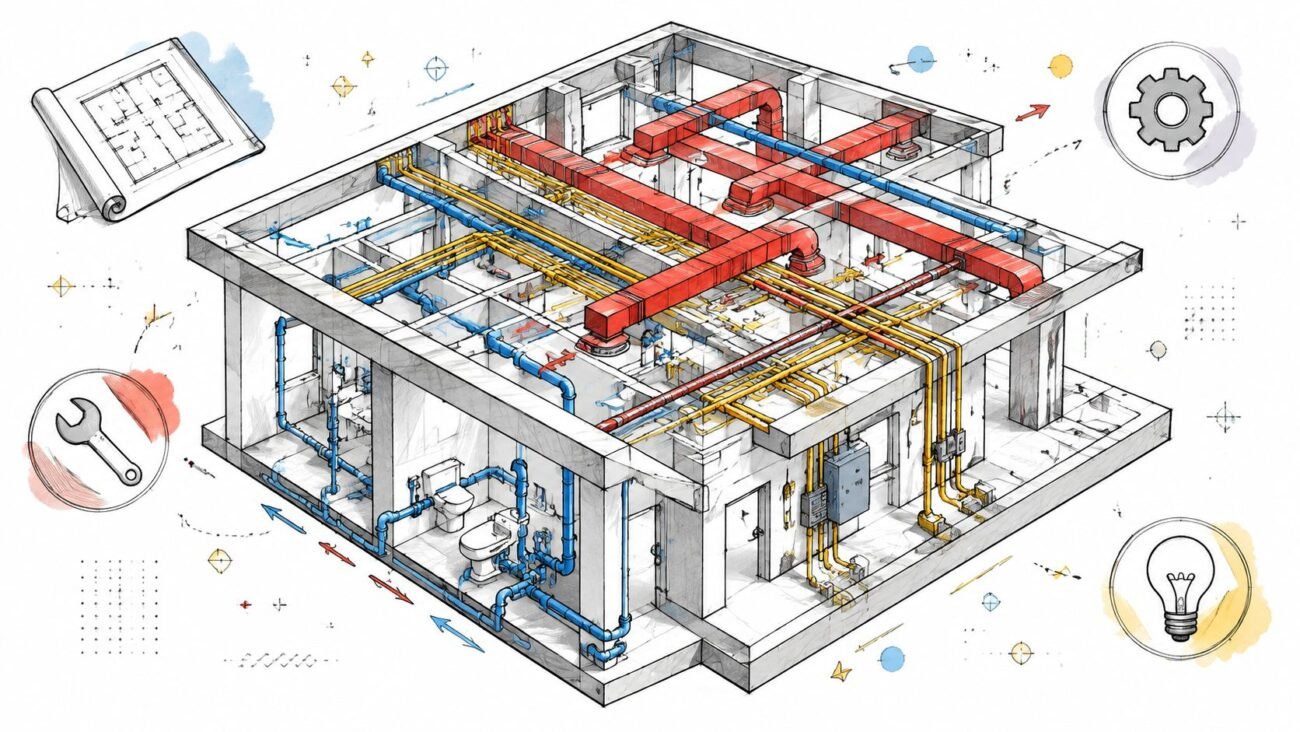
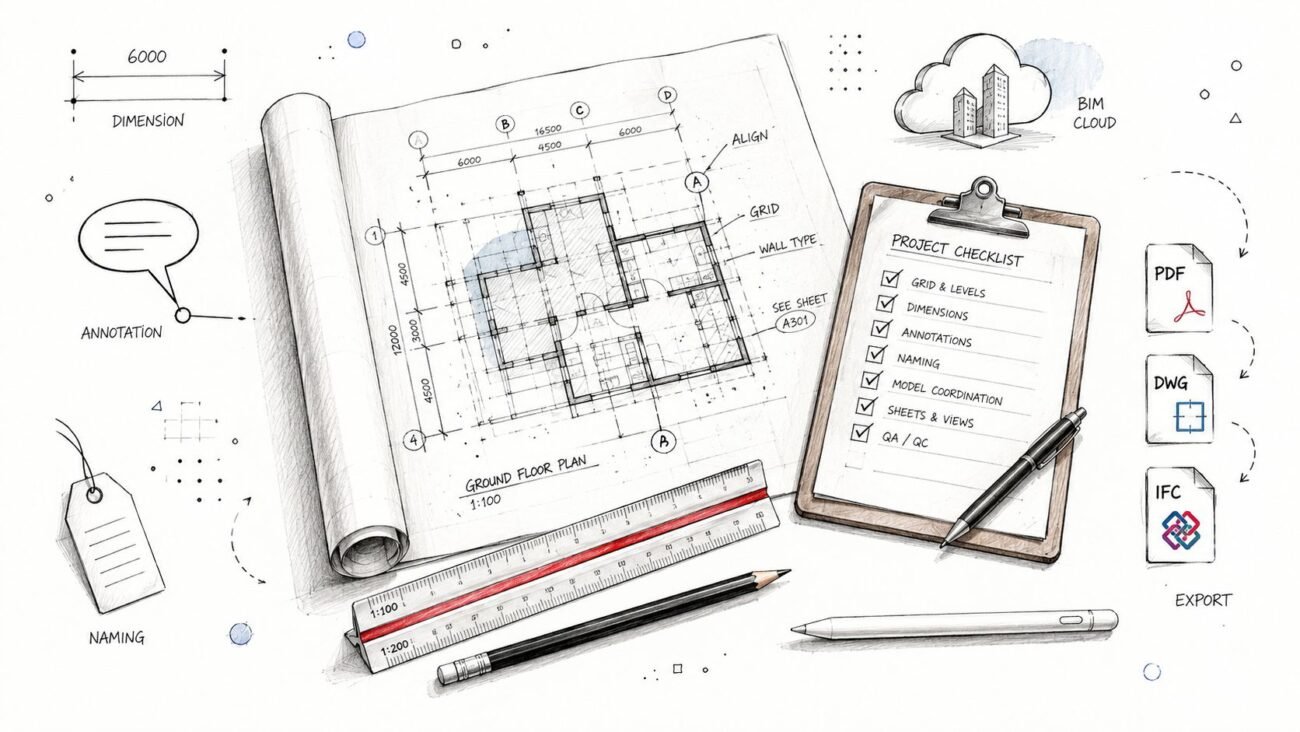
Project managers and construction executives know the true cost of RFIs and change orders. It isn't just the direct expense on the balance sheet; it's the cascade of schedule delays, eroded profit margins, and damaged team morale that follows. For too long, the industry has treated these disruptions as an unavoidable cost of doing business—symptoms of coordination gaps, incomplete information, and unresolved design conflicts that fester until they reach the field.
This isn't about managing chaos better; it's about preventing it altogether. The fundamental benefits of BIM (Building Information Modeling) shift teams from a reactive cycle of expensive field fixes to a proactive system of digital conflict resolution. Changes made in a model cost pennies compared to the thousands they cost in steel and concrete. This article breaks down the specific, documentable connection between disciplined BIM processes and the dramatic reduction of RFIs and change orders, turning predictability and margin protection into core project outcomes.
We will explore how to leverage BIM not as a modeling tool, but as a coordination system that identifies conflicts, answers constructability questions, and resolves design ambiguities before they become costly field problems. We've tracked projects where comprehensive BIM coordination reduced RFIs by 40-60% and cut change orders by 30-50% compared to traditional 2D workflows, proving that the answer isn't managing RFIs better—it's preventing them from happening in the first place.
How BIM Reduces RFIs: From Ambiguity to Clarity
RFIs are often symptoms of unresolved questions. They arise from design ambiguity, trade conflicts, and unclear constructability. A disciplined BIM workflow directly addresses these root causes, transforming the design package from a set of drawings into a unified, queryable database.
1. Design Clarity Through 3D Visualization
Traditional 2D drawings require stakeholders to mentally assemble complex systems, leaving room for misinterpretation. BIM eliminates this ambiguity by presenting the project in an intuitive 3D environment. This clarity allows contractors, owners, and trades to understand spatial relationships and design intent instantly, answering questions before they are ever formally asked.
2. Early Clash Detection and Resolution
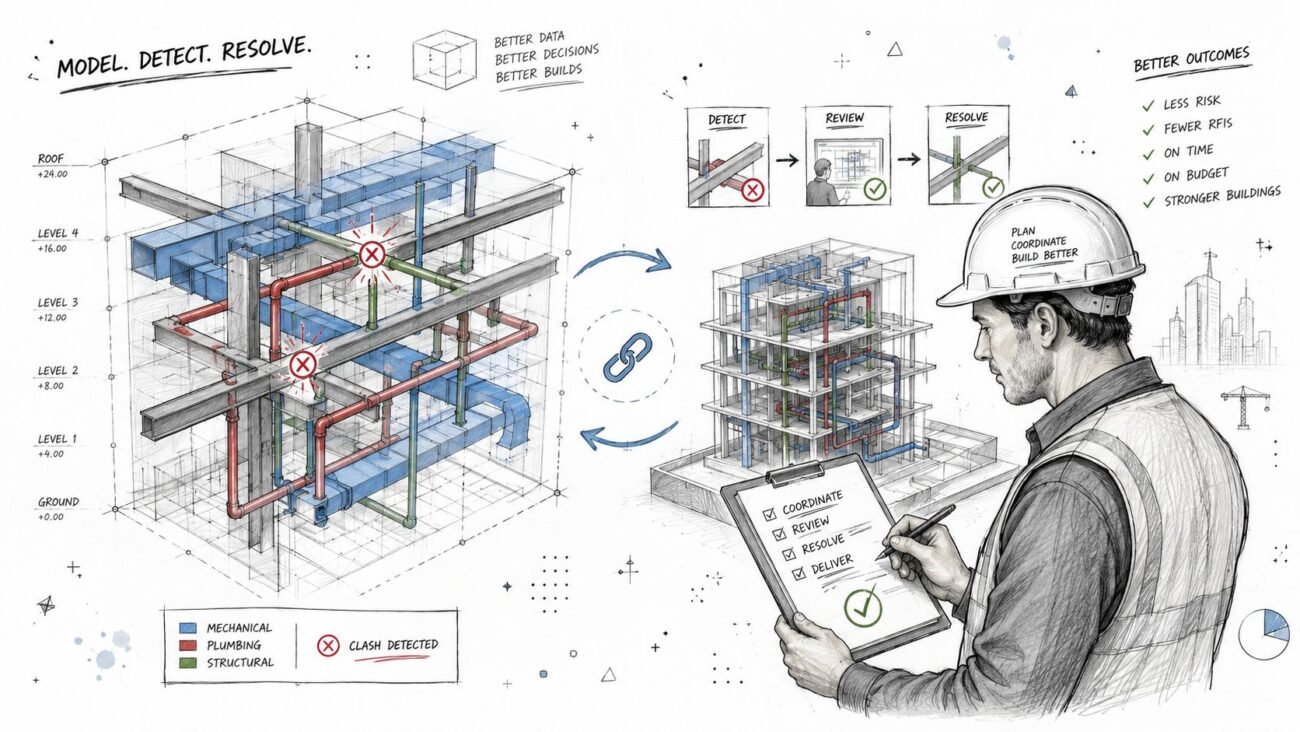
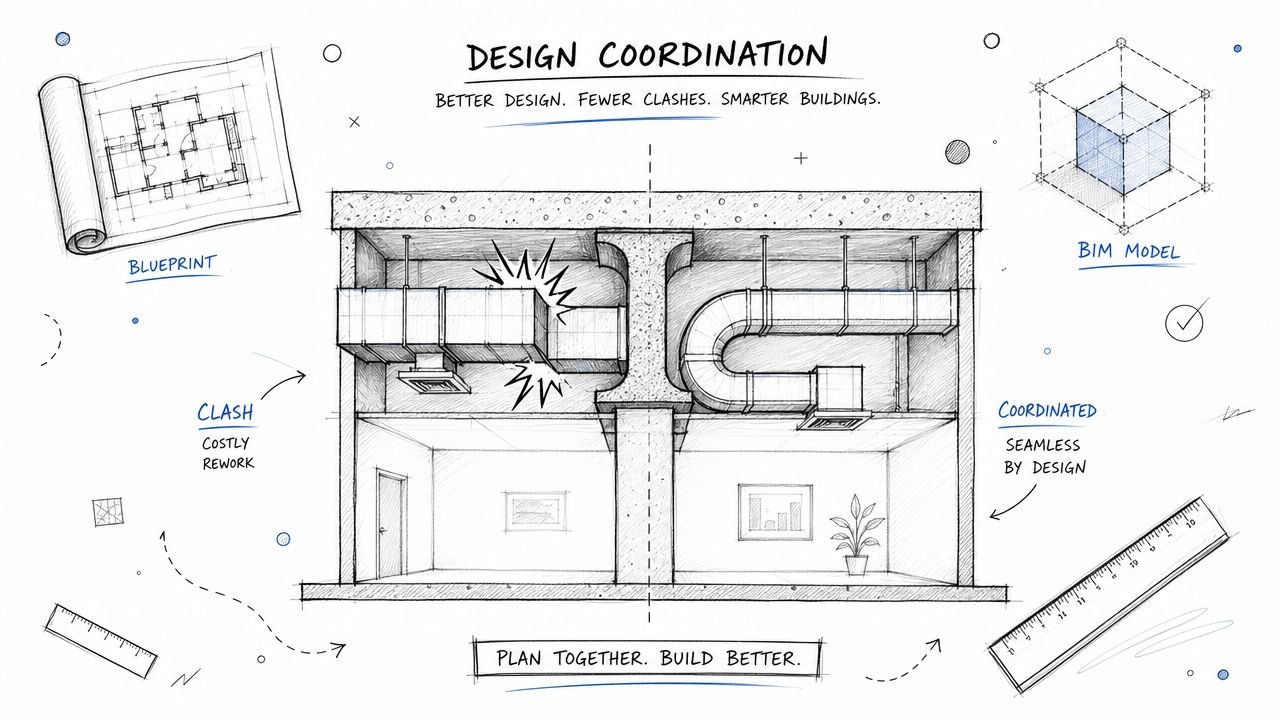
One of the most immediate and quantifiable benefits of BIM is automated clash detection. This process systematically identifies geometric conflicts—like a pipe running through a beam—during pre-construction. Instead of discovering these issues on-site, where they trigger costly RFIs and rework, teams resolve them digitally. A single clash report can prevent dozens of potential RFIs.
Example Scenario: During a routine clash detection review for a hospital project, the model flags a conflict between a large HVAC duct and a primary steel girder. The MEP and structural teams resolve the issue by re-routing the duct in the model. This five-minute digital fix prevents a multi-day delay, an RFI for a solution, and a potential change order for field modification.
3. Virtual Mockups and Constructability Reviews
How will a complex curtain wall system be installed? Is there enough clearance for maintenance access to the chillers? BIM allows teams to build virtual mockups to answer these constructability questions upfront. By simulating complex installations and reviewing maintenance access in 3D, teams can validate the design's buildability and serviceability, eliminating a major category of field-generated RFIs.
4. Quantity Validation and Scope Verification
RFIs often arise from discrepancies between drawings and specified quantities. By using model-based quantity takeoffs, teams can cross-reference material counts against the design. This process flags scope gaps or inconsistencies early, ensuring that bid packages are complete and procurement is based on accurate, model-driven data. This single source of truth is also crucial for real-time data accuracy in property verification, ensuring all decisions are based on reliable information.
How BIM Prevents Change Orders: From Conflict to Coordination
Change orders are the financial consequence of issues that were not resolved before construction. They are driven by unresolved clashes, scope gaps, and unforeseen conditions. BIM attacks these root causes by forcing early coordination and providing a clear, unified view of the project for all stakeholders.
1. Conflict Resolution Before Buyout
The most expensive conflicts are those discovered after contracts are signed and materials are ordered. By mandating comprehensive BIM coordination services before procurement, project managers ensure that trade partners are bidding on a de-risked, coordinated design. This significantly reduces the likelihood of change orders related to trade-on-trade interference.
2. Accurate Quantity Takeoffs
A primary cause of change orders is scope gaps or material shortfalls discovered mid-construction. BIM-driven quantity takeoffs provide a highly accurate bill of materials directly from the coordinated model. This precision minimizes the risk of budget-busting change orders needed to cover material miscalculations, protecting project margins.
3. Constructability Analysis
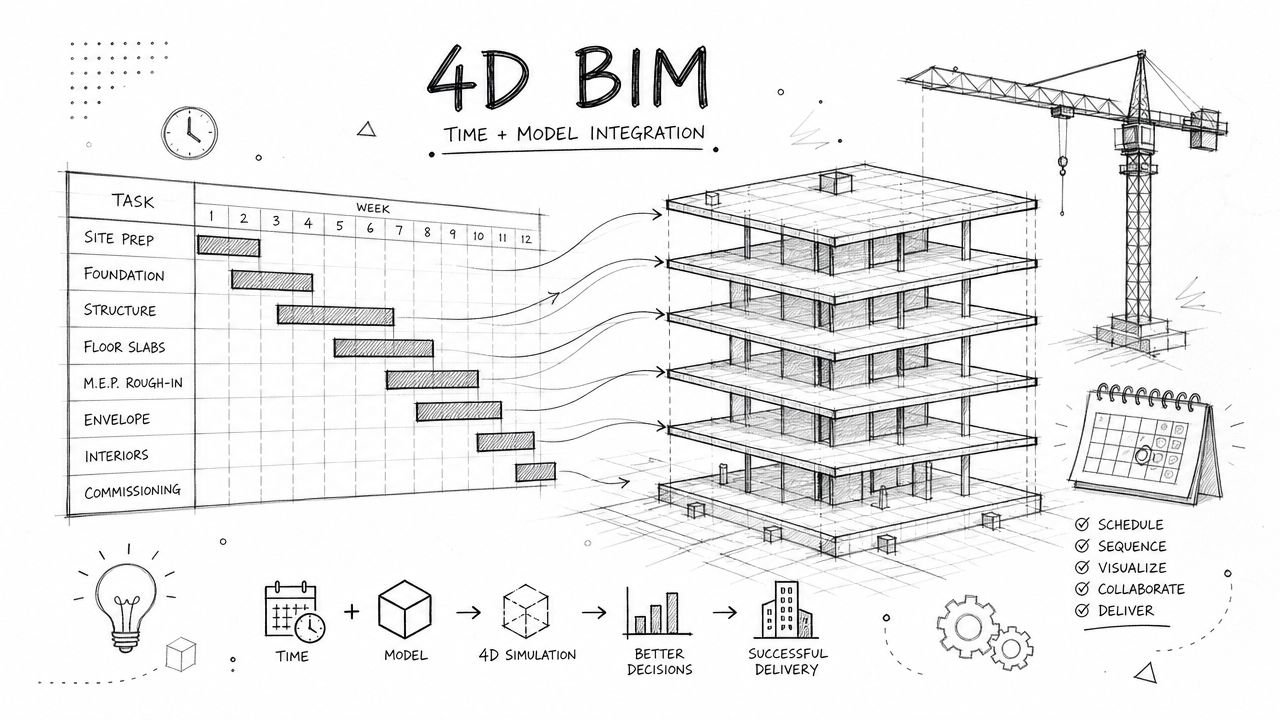
BIM enables teams to perform detailed constructability analysis, identifying potential execution challenges before they impact the field. By simulating crane paths, planning material laydown areas, and reviewing complex installation sequences in 4D, teams can prevent unforeseen site conditions that would otherwise lead to change orders for revised means and methods.
4. Owner and Stakeholder Buy-in
Change orders often stem from owner-requested changes made late in the process because the final design was not fully understood. Using immersive visualizations, virtual reality walkthroughs, and renderings generated from the BIM model, owners can experience and approve spaces with confidence before construction begins. This enhanced clarity secures early buy-in and drastically reduces late-stage "design preference" change orders. Exploring the broader spectrum of VR, AR, and MR applications across industries demonstrates the versatility of these tools.
The ROI of Prevention: A Financial Perspective
The financial impact of RFI and change order reduction is direct and substantial. Consider a simplified ROI calculation for a project:
- Average RFI Cost: Assume each RFI costs $1,500 in administrative time (PM, super, trade foreman).
- Average Change Order Cost: Assume the average change order adds $10,000 in direct costs and overhead.
A project that typically generates 200 RFIs and 25 change orders faces $550,000 in direct, quantifiable costs from these issues alone. A disciplined BIM workflow that reduces RFIs by 50% (100 RFIs) and change orders by 40% (15 change orders) would generate $250,000 in direct savings, often far exceeding the investment in BIM coordination. This calculation doesn't even include the significant indirect savings from avoided schedule delays and increased labor productivity.
Supporting Processes That Maximize Impact
Achieving these benefits requires more than just software; it demands disciplined processes and clear governance. Mature BIM workflows are built on a foundation of:
- BIM Execution Plans (BEP): A BEP is the rulebook for the project. It defines roles, responsibilities, modeling standards, and coordination protocols, ensuring everyone is aligned.
- Coordination Schedules: Just like the construction schedule, a coordination schedule with clear milestones ensures that clash detection and model reviews happen at logical decision checkpoints.
- Model Quality Standards: The principle of "garbage in, garbage out" applies. Establishing and enforcing clear standards for the level of detail impacts data extraction and ensures the model is a reliable source of information, which is critical to creating a digital twin.
- Issue Tracking: Using platforms like BIM Track or Revizto to log, assign, and track issues to resolution creates an accountable, transparent workflow for problem-solving.
Actionable Checklist: BIM Practices for RFI & Change Order Reduction
To translate theory into practice, focus on implementing these high-impact BIM workflows:
- Mandate a Project-Specific BEP: Start every project with a clear BIM Execution Plan that all stakeholders sign off on.
- Schedule Weekly Coordination Meetings: Use the live federated model as the single source of truth for all design and coordination discussions.
- Run Clash Detection Before Every Milestone: Perform automated clash detection at 30%, 60%, and 90% design completion to catch issues early.
- Involve Key Trades in Design Reviews: Bring in mechanical, electrical, and plumbing foremen to participate in virtual constructability reviews.
- Use 4D Simulations for Logistics Planning: Visualize the construction sequence to identify and resolve potential site logistics bottlenecks before they occur.
- Generate Key Quantities from the Model: Validate your bill of materials against model-driven quantity takeoffs to catch scope gaps before procurement.
- Conduct VR Walkthroughs with the Owner: Secure final design approval using immersive virtual reality sessions for key spaces to prevent late-stage changes.
From Managing Problems to Engineering Predictability
The core message is simple: RFIs and change orders are not inevitable. They are measurable symptoms of coordination failures that disciplined BIM workflows are designed to prevent. The real benefits of BIM are realized when it is deployed not as a piece of software, but as a proactive system for risk mitigation, quality assurance, and production control.
By shifting problem-solving from the muddy boots of the job site to the controlled environment of a digital model, you protect margins, create schedule predictability, and build operational consistency. This is how you move from being a firm that manages construction chaos to one that engineers project success. The goal is not just to build better buildings, but to build a better, more reliable delivery process.
Ready to quantify the impact of BIM on your projects? At BIM Heroes, we help firms build mature production systems and provide the scalable delivery pods to execute them. Download our BIM Impact Analysis Template to start documenting the real-world connection between proactive coordination and reduced project risk.