Meta description: Energy code compliance 2026 is changing MEP design workflows fast. Learn what to update in templates, modeling, permitting, and documentation before code changes hit your project.
A permit set goes out with notes, schedules, and compliance assumptions pulled from the last successful project. The design team has done this dozens of times. Then plan review comes back with a familiar problem. The jurisdiction adopted a newer energy code edition than the team assumed, and the permit package no longer lines up with what the reviewer expects.
That kind of miss does not usually blow up a project on day one. It does something more expensive. It creates drift. Mechanical selections need a second look. Lighting controls notes need revision. Envelope assumptions used for sizing and compliance need to be checked against the architect’s set. The energy model, if there is one, suddenly becomes a late-stage scramble instead of a design tool.
That is why energy code compliance 2026 matters as a production issue, not just a code issue. Teams that still treat compliance as a last-step form or a permit attachment are walking into avoidable redesign, coordination churn, and review comments that should never have been triggered.
The practical question is not whether every jurisdiction is fully current. The practical question is whether your workflow can handle mixed adoption, tighter requirements, and a heavier documentation load without slowing your projects down.
The Permit Delay You Can See Coming
A common failure pattern looks like this. The team starts from a trusted baseline. Standard details come forward from the prior code cycle. Equipment schedules keep the same control assumptions. Notes reference a familiar compliance path. Nobody checks the adopted code edition until permit assembly because the project “looks like” the last one.
Then the reviewer rejects the package for energy comments.
What makes this frustrating is that it rarely comes from some obscure edge case. It usually comes from ordinary production habits. The permit set was built on outdated assumptions, not bad engineering. That is exactly why firms keep getting hit by it.
For MEP teams, the cost is not just redesign hours. It is also re-coordination. If the energy path changes late, the architect may need envelope revisions. Electrical may need updated control narratives or capacity allowances. Mechanical may need to revisit sequences, ventilation assumptions, or equipment picks. A simple permit review turns into a cross-discipline reset.
What this looks like in practice
- Legacy notes survive too long: Sheet notes and basis-of-design language get copied forward because they worked before.
- Compliance gets pushed to the end: Teams wait until permit packaging to confirm how the project will prove compliance.
- The architect and MEP team drift apart: Envelope assumptions in the compliance package do not match what is drawn.
- Review comments create RFIs before construction starts: The permit reviewer becomes the first real QA check.
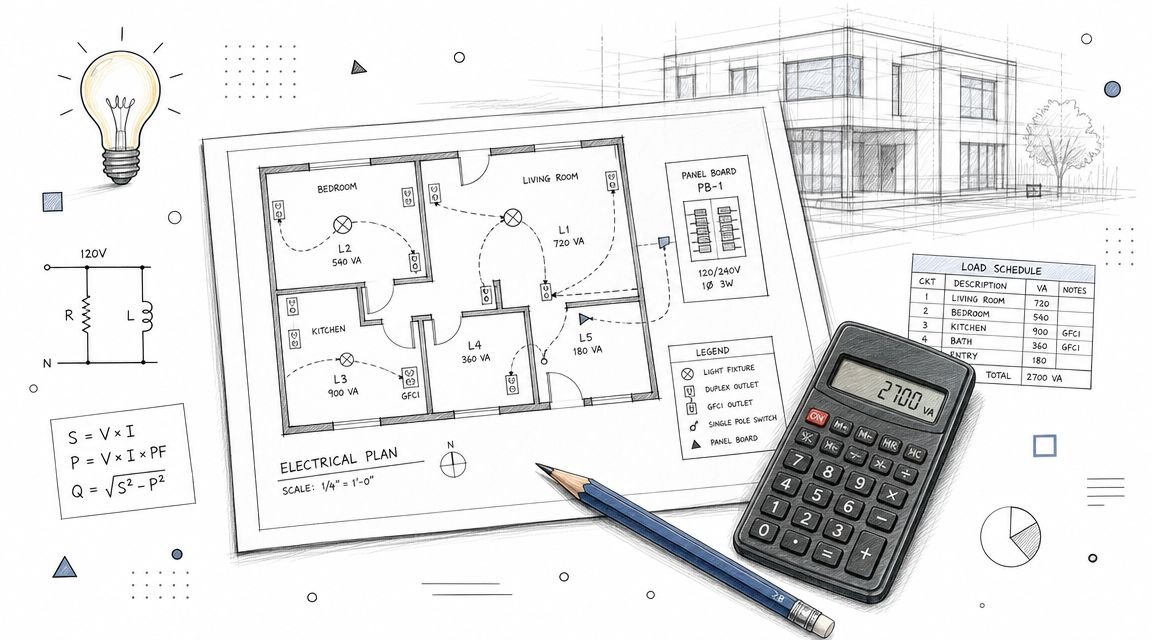
A lot of firms still treat energy compliance as paperwork attached to construction documents. That is the wrong mental model now. It is a design input. If you wait to verify code path and local adoption until permit, you are doing risk management in reverse.
Tip: Add code edition verification to the same early checklist you use for occupancy, construction type, and local amendments. If it is not confirmed before design starts, it is not controlled.
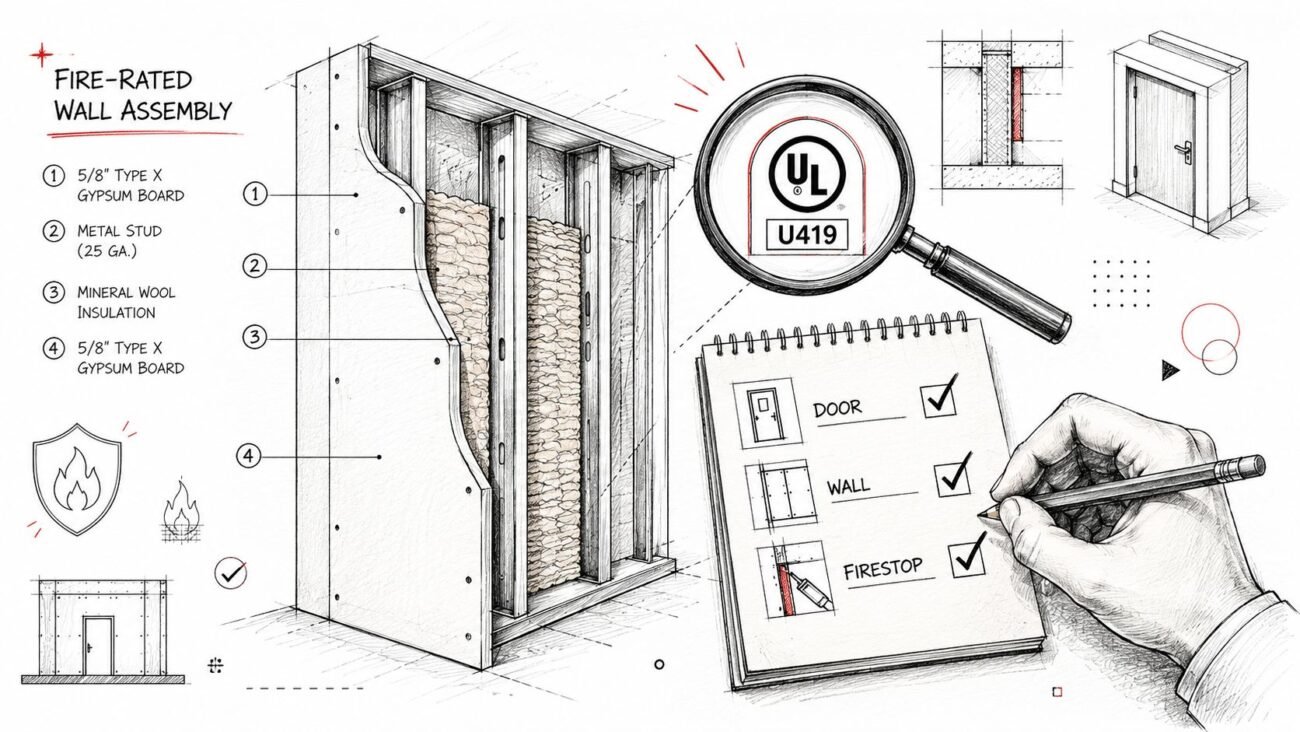
Teams trying to tighten their permit workflow should treat this the same way they treat drawing readiness. The permit package is only as reliable as the assumptions under it. A disciplined building permit workflow starts with the adopted code edition, not with the last project in the folder.
Understanding Current IECC and ASHRAE Standards
The code environment going into 2026 is uneven, and that is exactly what makes it risky. Some jurisdictions are still working from older editions. Others have moved ahead. A few are moving faster than internal standards inside design firms.