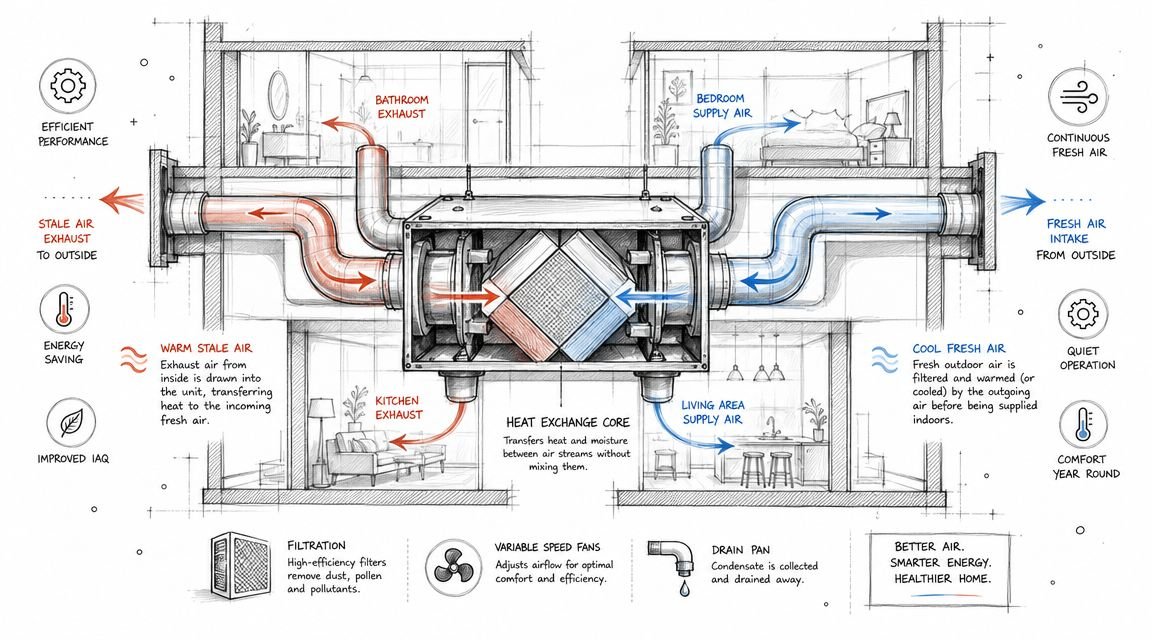
Meta description: A practical guide to ASHRAE 90.1 tenant improvements, focused on the scope changes that push a commercial TI from limited alteration compliance into full energy code review.
A TI can look simple on the floor plan and still turn into a permit problem.
The pattern is familiar. A team scopes new lighting, swaps rooftop equipment, moves a few partitions, and assumes the job falls cleanly under ASHRAE 90.1 commercial alterations. Then permit comments arrive. The reviewer treats part of the work as broader system replacement, or as a change in use, or as new conditioned area. What was priced and documented as a limited alteration now needs a wider compliance package.
That’s where schedule pressure starts. Lighting controls that were shown schematically now need clear zoning logic. Mechanical schedules need to prove more than equipment selection. The energy code set has to line up across architecture, MEP, and permit forms. On tenant improvements, that shift often hurts less because the code is strict than because the team didn’t identify the trigger early enough.
For architects, MEP engineers, and project managers, energy code tenant improvement scoping is a production issue before it becomes a technical one. If you know where the threshold sits at kickoff, you can staff the right modeling, document the right systems, and avoid the late scramble that burns fee and trust.
The Hidden Risk in Commercial Tenant Improvements
A project team can make reasonable assumptions and still get caught.
A common TI scope starts innocently enough. Replace lighting in the leased suite. Upgrade HVAC serving the tenant. Rework partitions to fit a new layout. Nobody thinks they’re redesigning the building. The drawing set moves ahead as an alteration package, and the energy story stays light because the work seems limited.
Then the reviewer reads the mechanical scope differently.

If the HVAC work effectively replaces the system serving the space, the compliance burden can expand fast. The same happens when lighting replacement is broad enough that control requirements no longer stay isolated to a few fixtures. A modest TI can cross from limited-scope review into much deeper commercial TI energy compliance without anybody changing the fee or the milestone plan.
Where permit trouble usually starts
The trouble rarely starts with one dramatic mistake. It usually comes from a chain of small assumptions:
- Scope language stays vague. “Replace RTU” sounds simple until the reviewer asks what controls, ventilation, and system-level requirements now apply.
- Discipline sets drift apart. Architecture calls it a renovation. Mechanical shows broad replacement. Electrical redraws most of the lighting. The permit reviewer sees a larger project than the cover sheet describes.
- Compliance ownership is unclear. Nobody decides early whether the project needs COMcheck, energy modeling, expanded control narratives, or envelope documentation.
Practical rule: If the permit set describes a bigger system story than the proposal did, expect the AHJ to review it as a bigger energy code story too.
Why this matters to production
This isn’t just a code problem. It’s a predictability problem.
Late compliance expansion means redraws, consultant back-checks, revised schedules, and more coordination rounds. On fast TI work, those are exactly the tasks that knock a package off its permit date. The safest teams treat ASHRAE 90.1 tenant improvements as a scoping checkpoint at the start, not a form to fill out at the end.
How ASHRAE 90.1 Defines Alterations in Existing Buildings
The starting point is simpler than people make it.
ASHRAE 90.1 was created to set practical minimums for energy performance in commercial buildings. It began as ASHRAE 90-1975, the first national energy code, published after the oil crisis and originally titled Energy Conservation in New Building Design. It established minimum requirements for building envelopes, mechanical systems, and lighting. Over time, the standard kept tightening. By 2010, it achieved approximately 25% energy savings over the 2004 version, and by 2016 successive versions had reduced normalized energy use by over 50% from the 1975 baseline, according to ASHRAE Standard 90.1 background information.
That history matters because it explains the logic of the standard. It’s meant to improve performance without pretending every existing building can be rebuilt every time a tenant changes.
The basic rule architects should work from
For existing buildings, the normal concept is straightforward. Alterations generally apply to the work being altered, replaced, or added, not automatically to every untouched system in the tenant space or the whole building.
That’s the practical “you touch it, you fix it” principle.
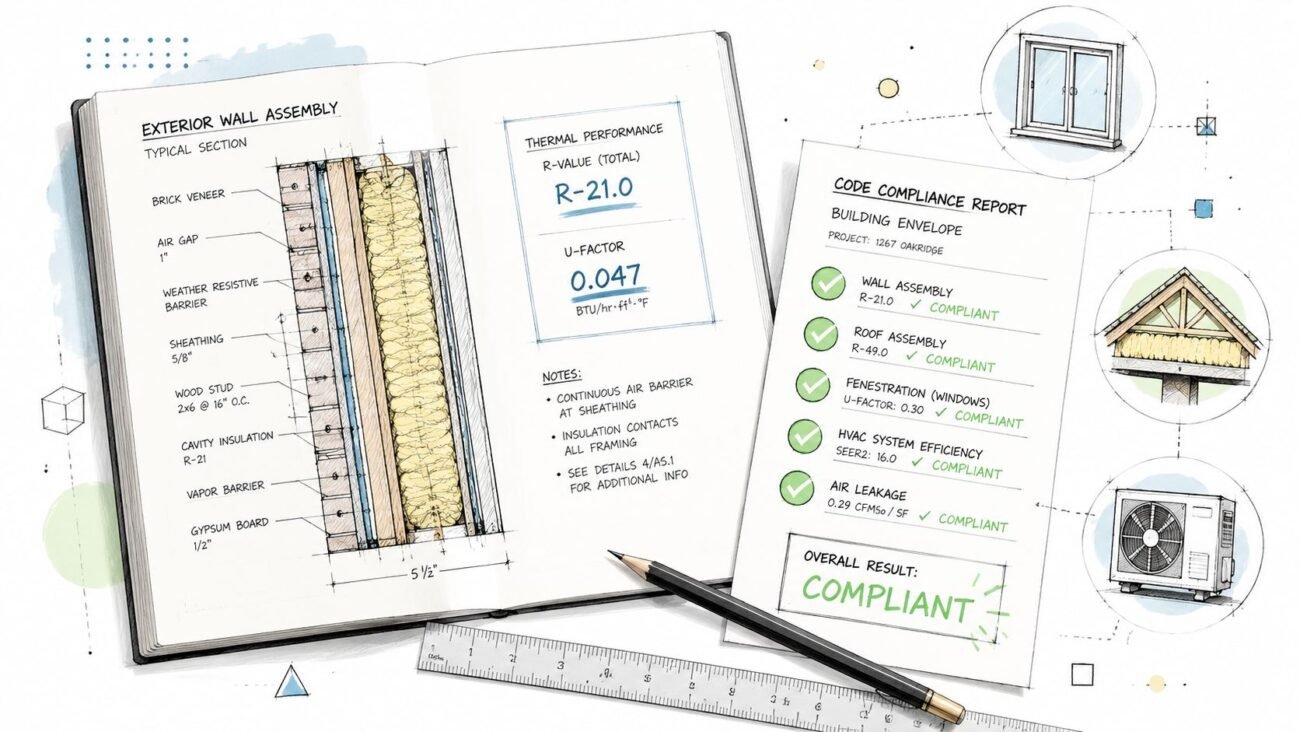
If you replace lighting in one area, the new lighting work has to comply. If you replace HVAC equipment, the replacement equipment has to comply. If you alter part of the envelope, that altered assembly has to comply. The standard isn’t trying to use a small interior refresh to force a full building retrofit by default.
Why teams still get tripped up
The confusion comes from the gap between the simple rule and the actual project scope.
A TI rarely stays perfectly isolated. The moment work starts affecting system-level controls, use classification, or added floor area, the line gets less clean. Architects often think in room-by-room terms. Reviewers often read the permit package in system terms.
A quick comparison helps:
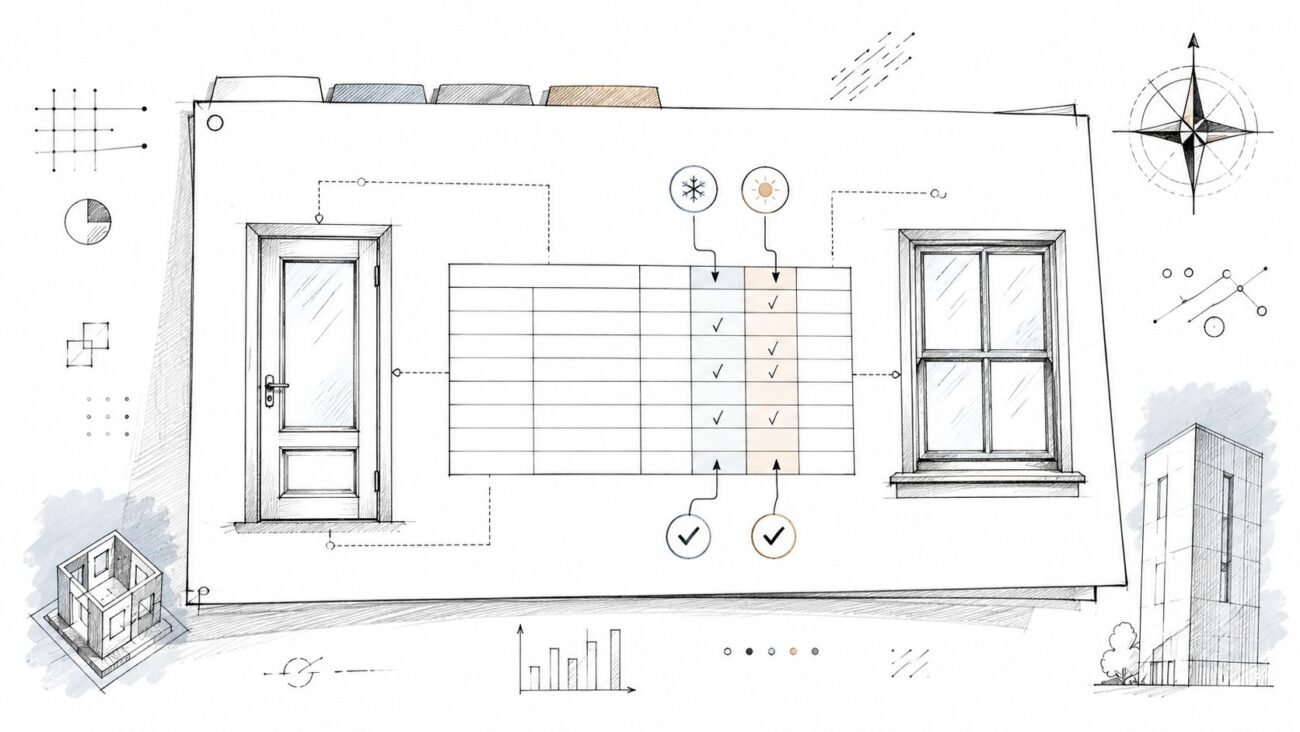
| Project condition | Typical reading under the alteration path |
|---|---|
| A localized fixture swap | Review the new lighting work |
| A single equipment replacement | Review the replaced HVAC equipment and related requirements |
| A new storefront or window change | Review that altered envelope assembly |
| Work that changes the nature of the space or the system scope | Review may expand beyond the immediate component |
Existing building compliance is manageable when the scope is precise. It gets messy when the drawings imply a bigger intervention than the project narrative admits.
The practical takeaway
For ASHRAE 90.1 existing buildings, start with the assumption that limited alteration compliance is available. Then test that assumption against what the drawings show. If the package stays disciplined, the alteration path usually protects the project from unnecessary scope creep. If the package starts reading like a partial rebuild, the AHJ may treat it that way.
Navigating the Standard Alteration Compliance Path
Once a TI clearly fits the alteration path, the job becomes much more manageable. The key is to understand exactly what must comply and what can remain as existing.
That distinction protects the project. It also keeps the permit package honest.
Lighting compliance stays with the altered work
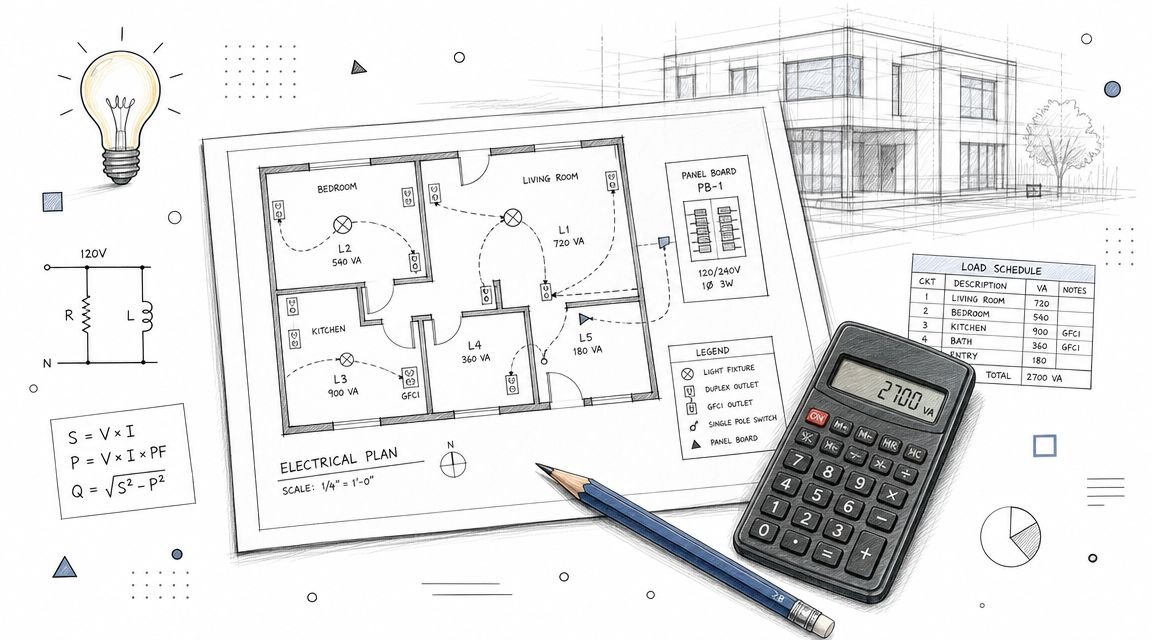
If the electrical scope includes new or replaced lighting, the new lighting has to satisfy current code expectations for the affected area. In practice, that means the fixture schedule, layout, control intent, and related notes need to read like a current-compliant design, not like a patch to an older standard.
What works on real projects is simple documentation discipline:
- Redraw the affected room clearly. Don’t leave reviewers guessing which luminaires are new, relocated, or existing to remain.
- Show control intent on plan. If occupancy controls, switching zones, or dimming apply, put that logic on the sheets instead of burying it in a note.
- Keep area boundaries clean. If the TI touches only part of a suite, make the altered area legible.
What doesn’t work is a vague reflected ceiling plan with a fixture count and a generic control note. That’s how limited lighting work gets read as a broader lighting redesign.
HVAC alterations are often where the scope expands
Mechanical work causes more permit friction than most architects expect.
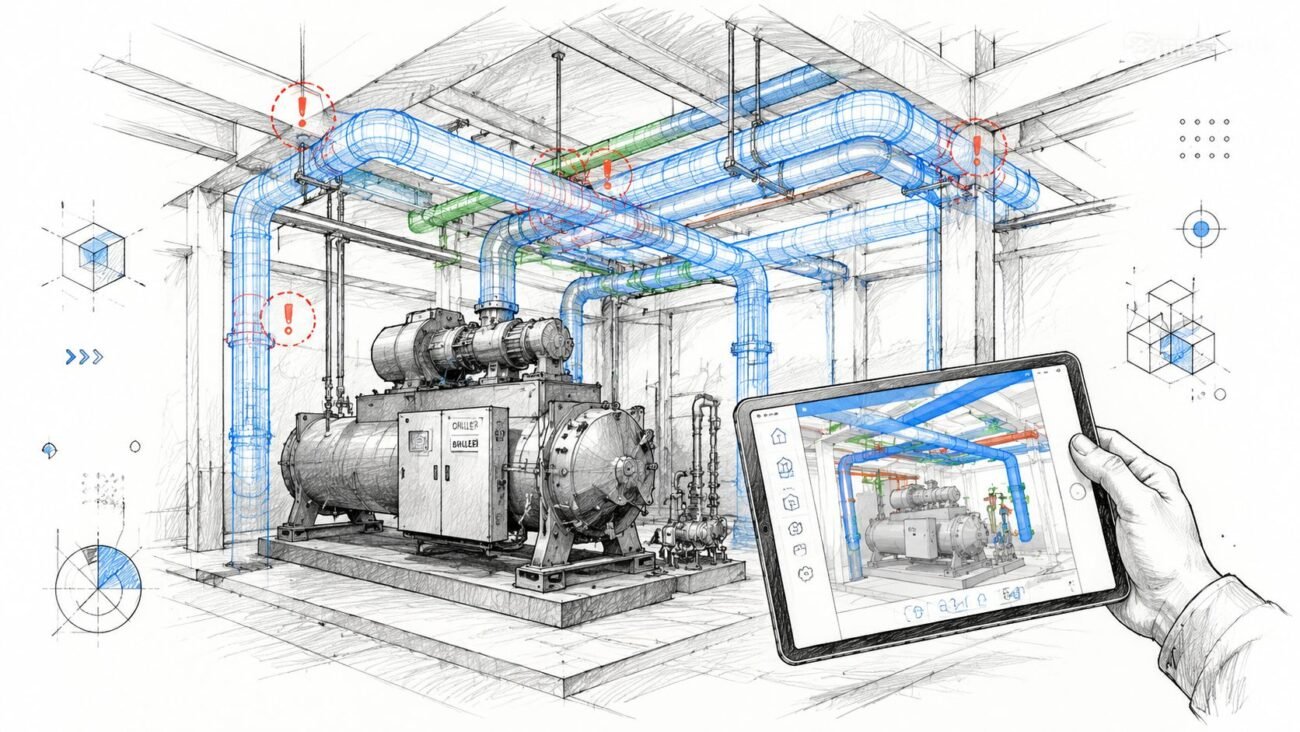
If you’re replacing components, that usually reads as altered scope. If you’re replacing the equipment serving the tenant area, revising distribution, updating controls, and changing ventilation strategy, the reviewer may see a system-level intervention. That’s where energy code alterations compliance can widen.
A good permit package usually includes:
- Clear equipment schedules that identify what is new versus existing to remain
- Defined controls narrative for the affected system
- Consistent ventilation story between plans, notes, and mechanical schedules
On TI projects, “replace in kind” only helps if the drawings actually support that claim.
Envelope work is narrow until it isn’t
Envelope compliance is usually the easiest part of a TI to contain. If you alter a wall assembly, add glazing, replace exterior doors, or modify roof areas, the altered assemblies need to meet current requirements for that scope.
The trap is partial envelope work described loosely. A storefront revision that seems architectural can become an energy review item quickly if the drawings don’t define exactly what changed.
What usually stays out of scope
The alteration path is valuable because it doesn’t normally pull untouched conditions into the current code just because they’re nearby.
That often means the following can remain as existing, assuming the jurisdiction agrees and the permit set is clear:
- Adjacent existing lighting outside the altered area
- Existing HVAC equipment serving other zones that isn’t being replaced or substantially modified
- Existing envelope elements elsewhere in the building or suite that the project doesn’t alter
A simple way to keep that boundary intact is to be explicit in every discipline model and sheet set. Existing to remain should be identified consistently. Demo should match new work. Scope notes should align with schedules. Good ASHRAE 90.1 commercial alterations documentation is rarely elegant. It’s usually just precise.
The Triggers That Escalate a TI to Full Compliance
Most TI teams don’t get into trouble because they misunderstood the idea of an alteration. They get into trouble because they missed one of the conditions that widens the review.
The trigger isn’t always labeled “full compliance” in a neat way. Sometimes it functions as expanded system compliance, and the production effect is the same. The permit set gets bigger, the energy narrative gets broader, and the coordination burden rises.
Change in use can reset the review
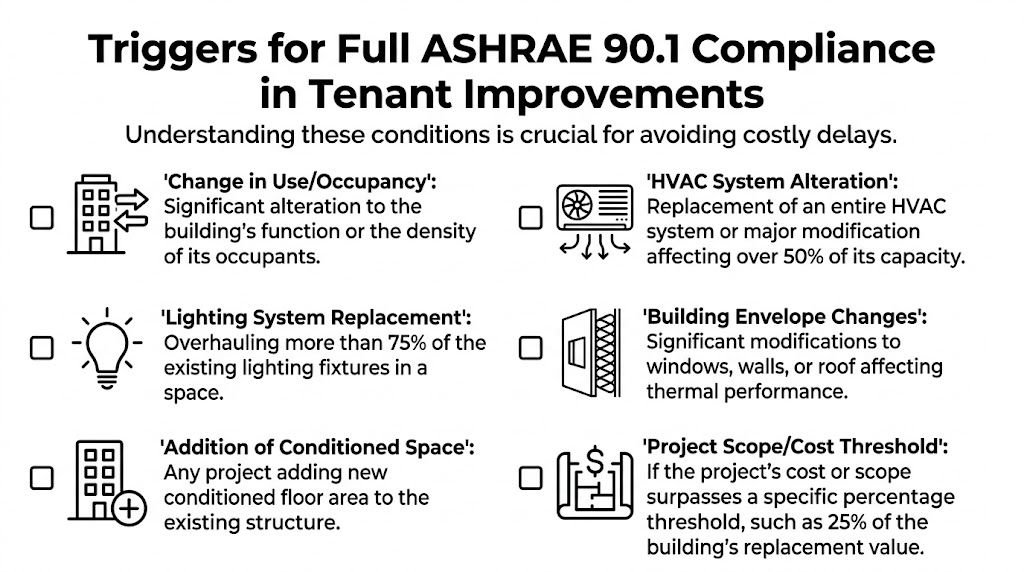
A tenant improvement that changes how a space functions often gets reviewed much more aggressively than a simple refresh.
Warehouse to office is the classic example. Retail to medical is another. Even when the shell remains, the energy assumptions behind lighting, ventilation, controls, and operating profile may not. Once the use changes materially, many jurisdictions stop treating the project like a limited swap of components and start treating the altered area more like new work.
Architects should flag this early, especially when the programming team describes the project as “same footprint, different fit-out.” For code review, same footprint doesn’t mean same compliance path.
Added floor area is usually treated as new construction
This is one of the cleanest lines in the whole conversation. If the TI adds conditioned square footage, that added portion is generally treated as new construction under the applicable energy code framework.
The practical mistake is assuming a “small” addition is harmless. It may be small from a design fee standpoint and still trigger a different compliance path for the added area. Once that happens, the project often becomes a mixed-scope package with alteration rules for one portion and new-construction expectations for another.
HVAC replacement can pull in system-level requirements
Many permit comments originate from this.
There’s a difference between replacing a component and effectively replacing the HVAC system serving the space. Once the work looks like full system replacement, reviewers often expect the project to satisfy broader requirements tied to controls, ventilation, and overall system performance, not just equipment efficiency.
These are the questions that matter:
- Are you replacing isolated components, or the system serving the tenant space?
- Are controls being upgraded only where necessary, or are you rewriting the sequence of operation for the area?
- Does the duct and air distribution work indicate a patch, or a redesign?
If you need help aligning the compliance strategy with the production set, this is the kind of issue that should be resolved before permit through an energy code compliance workflow.
A reviewer won’t judge the project by how the team talked about it in coordination calls. They’ll judge it by what the plans, schedules, and notes say the system is becoming.
Lighting scope can widen faster than expected
Lighting looks easy until the replacement is broad enough that control requirements expand.
A limited fixture change in a small area is one thing. A floor-wide relight tied to ceiling revisions, switching updates, and daylight-exposed perimeter zones reads differently. Once the work starts functioning like a new lighting design for the space, the compliance package has to support that reading.
That means the electrical sheets need more than fixture tags. They need a coherent control story.
Envelope modifications can change the character of the TI
Most interior TIs don’t touch the envelope much. When they do, reviewers pay attention.
New glazing, wall revisions, roof changes tied to mechanical work, or substantial exterior modifications can widen the energy review because the building envelope is one of the core regulated systems under ASHRAE 90.1. On an interior project, that can be the hidden trigger no one priced for.
Jurisdictional thresholds complicate everything
Some of the hardest permit problems happen because the team assumes the base standard answers every threshold question. It doesn’t. Local adoption language may define substantial alteration, system replacement, or expanded compliance in more specific ways. That’s why the local layer has to be checked before anyone settles on “alteration only.”
The Critical Role of Local Jurisdictions and Amendments
The base standard is not the permit approval.
That’s the mistake behind a lot of failed assumptions in ASHRAE 90.1 tenant improvements. Teams read the national framework, decide the project is a simple alteration, and move ahead without confirming how the state or local jurisdiction adopted it. Then the AHJ applies a different edition, an amended trigger, or an entirely different compliance route.
Why the local code path matters
In some places, ASHRAE 90.1 is adopted directly. In others, it shows up through the IECC framework or through state-specific implementation. California is the obvious example. If your team is working there, you don’t get to rely on baseline 90.1 assumptions and hope they map cleanly. You need the actual local rules, which is why a working understanding of California Title 24 requirements matters on TI work in that market.
That same caution applies outside California too. Local amendments can change review expectations around alterations, controls, documentation, and scope interpretation.
What to confirm before schematic design moves
Don’t wait for permit comments to answer these basic questions:
- Which code edition applies to this jurisdiction and permit date?
- Was ASHRAE 90.1 adopted directly, or referenced through another code path?
- Did the AHJ publish local amendments that affect alteration triggers or documentation?
- Does the reviewer expect prescriptive forms, COMcheck, modeling, or another submittal format?
A lot of teams skip this step because the project feels too small to justify the effort. That’s backwards. TI work moves quickly, so small misunderstandings do more damage.
Field advice: The first compliance decision on a tenant improvement isn’t technical. It’s administrative. Confirm the adopted code language first, then design to it.
The cost of guessing
If you guess wrong, every downstream sheet can be technically competent and still misaligned with permit review. That’s why local adoption isn’t a fine-print issue. It’s the first gate in commercial TI energy compliance.
Documentation Demands When Full Compliance is Triggered
A tenant improvement can look modest on the floor plan and still trigger a permit set that reads like new construction. That is usually the point where teams lose time. The design may be fine, but the documentation still looks like a simple alteration package.
The drawing set has to describe the whole regulated scope
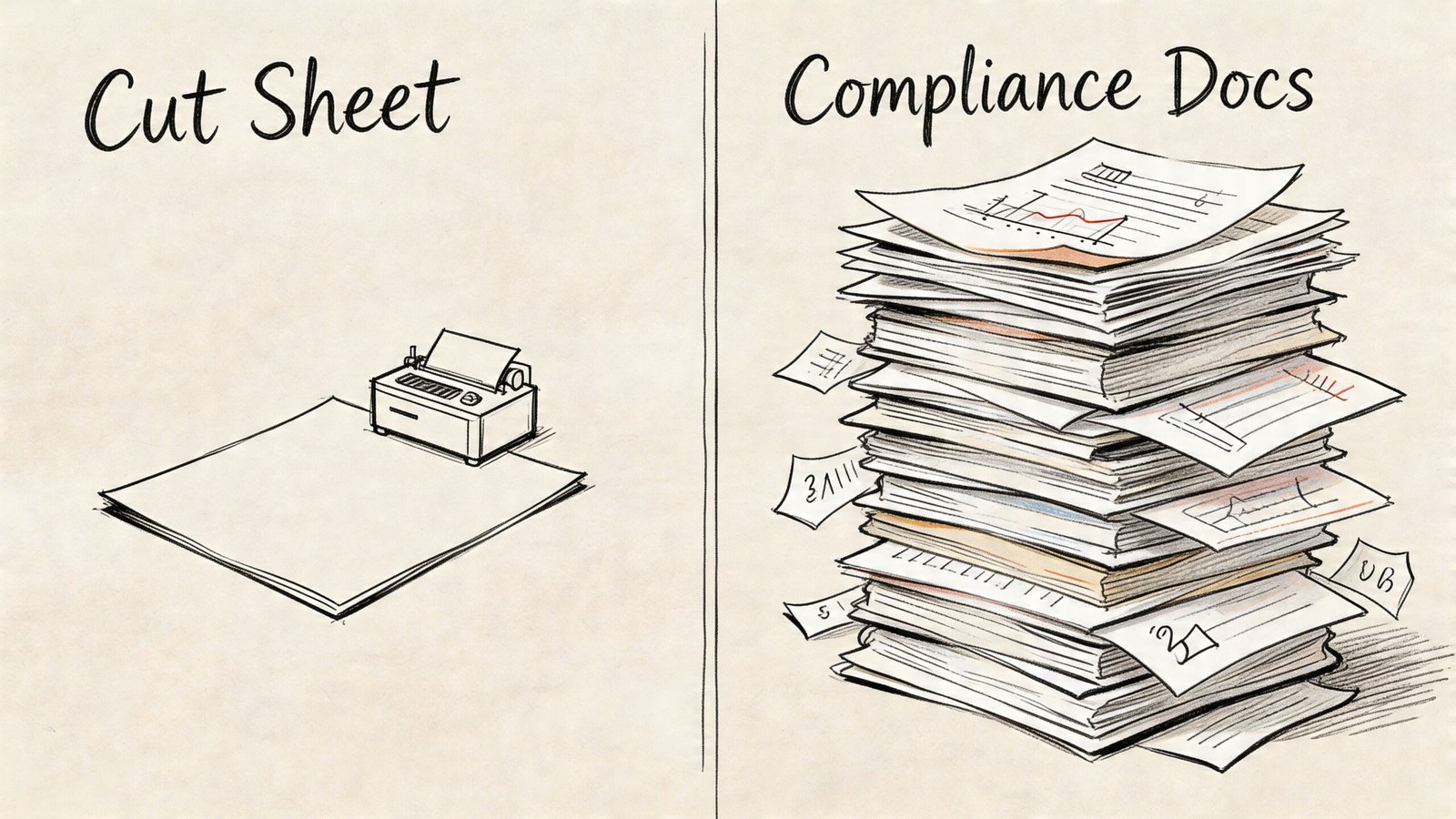
Once full compliance is in play, reviewers stop looking at isolated replacements and start checking whether the submitted documents describe a code-compliant building system. Sparse notes, a few cut sheets, and separate discipline assumptions do not hold up under that level of review.
The set usually needs to show:
- An energy compliance package tied to the triggered scope, which may extend across envelope, lighting, HVAC, and controls
- Schedules that demonstrate compliance, not just equipment tags and capacities
- Control sequences and notes that match the actual plans, not boilerplate specification language
- Architectural coordination for envelope, glazing, daylighting, and room use conditions that affect the energy analysis
Reviewers read inconsistencies as scope expansion. If the reflected ceiling plan, mechanical schedules, and compliance forms describe the project differently, the broadest interpretation usually wins.
Monitoring and controls can expand the package fast
Section 8 in ASHRAE 90.1-2022 adds building energy monitoring expectations that can reach far beyond a typical TI permit form, including metering, data collection intervals, retention, and coordination across lighting, HVAC, and plug load systems, as summarized in this overview of ASHRAE 90.1 compliance and Section 8 monitoring.
On larger tenant spaces or projects inside larger base buildings, that changes the production effort. Electrical sheets may need panel and metering relationships shown more clearly. Controls intent may need to be documented at a level the owner has not discussed yet. The BAS narrative, one-line implications, and equipment schedules all need to agree.
TI teams get trapped when they assume energy compliance ends with a form, then discover the permit reviewer expects system documentation that was never scoped into the drawings.
Daylighting documentation often gets underestimated
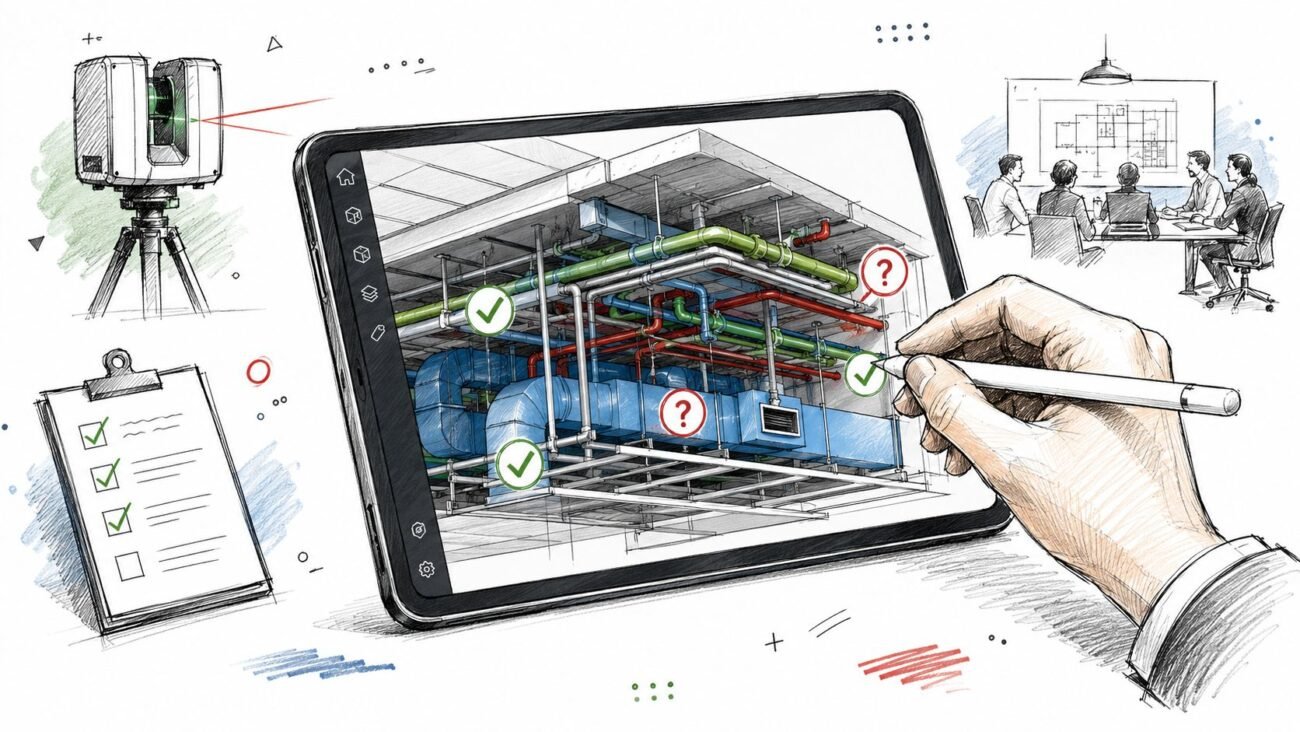
Perimeter work creates documentation risk even when the design change seems minor. If the project touches glazing, room layouts near the facade, lighting controls, or ceiling geometry, the team may need precise sidelighting calculations and a clear record of the physical conditions used to make them.
That work falls apart quickly when existing conditions, obstructions, and fenestration geometry are being interpreted differently by architecture, electrical, and the energy consultant. A coordinated model helps, but only if the permit set is built around clear scope boundaries and repeatable drafting standards. Teams with disciplined permit drawing workflows usually catch those conflicts before submittal.
If full compliance is triggered, the reviewer is testing whether the documents prove code compliance across the affected systems, not whether the selected equipment looks reasonable.
What usually breaks first
The recurring failures are predictable:
| Weak point | What the reviewer sees |
|---|---|
| Incomplete control notes | Unclear compliance intent |
| Mismatched schedules and plans | Unreliable scope definition |
| No daylighting logic where perimeter conditions changed | Missing code documentation |
| Mechanical replacement shown without system narrative | Expanded review with unanswered questions |
The key takeaway is simple. Once a TI crosses into full compliance, documentation discipline becomes a code issue. If that shift is not recognized early, the permit comments will define the scope for you.
A Pre-Design Checklist for Compliance Scoping
A good TI kickoff should answer the compliance question before design gets expensive.
You don’t need a long workshop to do that. You need a short decision process that forces the team to identify the parts of scope most likely to trigger expanded review.
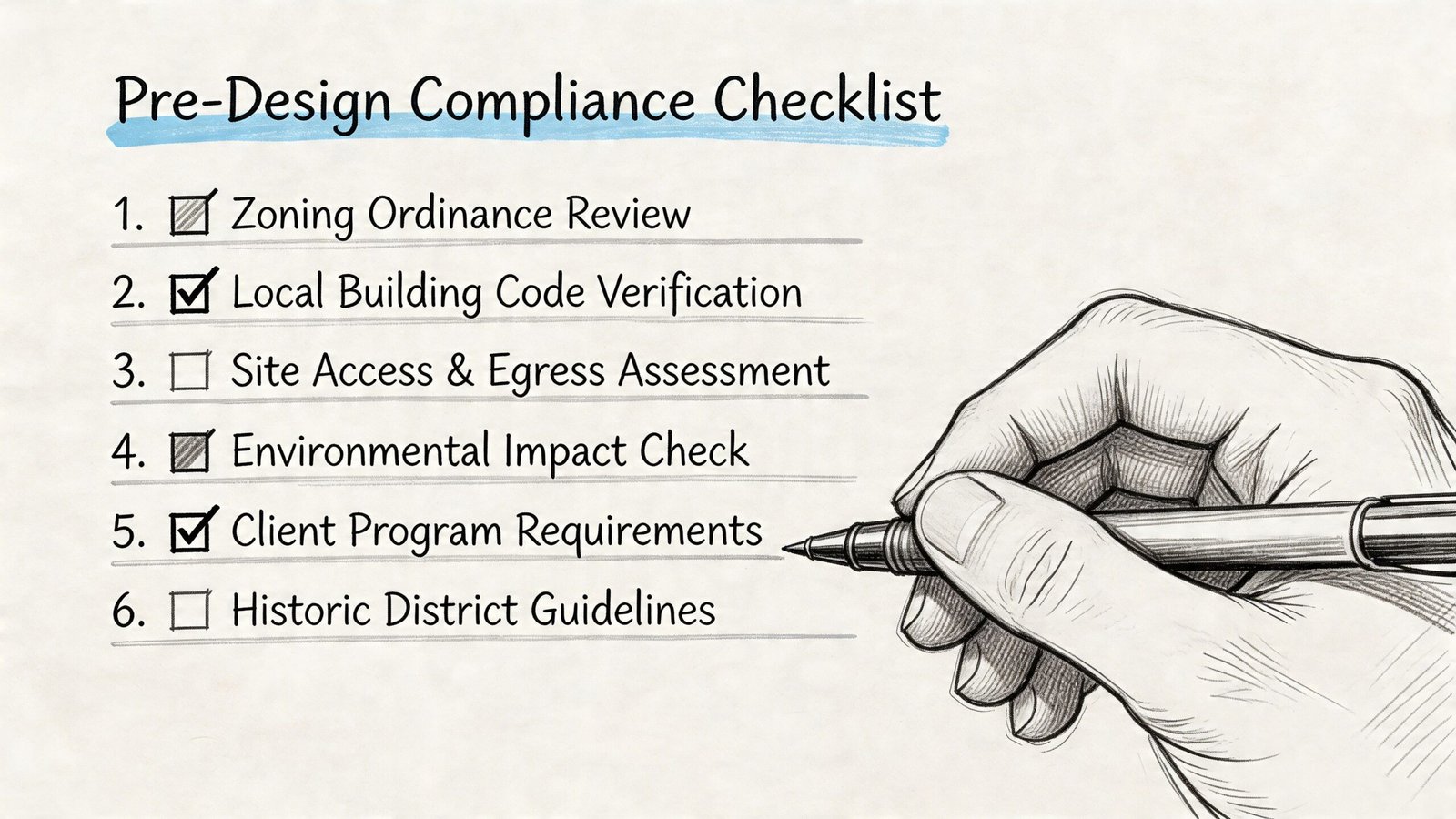
Use this at project kickoff
Run through these questions before schematic design is locked:
Confirm the adopted code first
Verify the code edition, adoption path, and any local amendments with the AHJ or the local code framework the team is required to follow.List every affected system, not just every room
Break scope into lighting, HVAC, envelope, controls, and added area. TIs are often described spatially by architects and systemically by reviewers.Test whether the project changes the use of the space
If the tenant’s operation is materially different, don’t assume the project will be reviewed as a routine alteration.Identify whether the work reads as component replacement or system replacement
This is especially important for HVAC and lighting. The drawing set should support whichever position the team intends to take.Check for added conditioned area
Even a modest addition can create a separate new-construction compliance obligation for that portion of work.Flag ambiguity before production starts
If the scope sits on the line between alteration and broader compliance, raise it early with the AHJ rather than hoping permit review will be favorable.
What project managers should ask each discipline lead
A short internal review catches a lot:
Architecture
Are we changing use, envelope, or floor area in any way that changes the code posture?Mechanical
Are we replacing equipment, or are we effectively rebuilding the system serving this space?Electrical
Does the lighting plan read like a localized alteration or a space-wide redesign with new control obligations?
The best time to resolve a compliance threshold question is before the model standards, view templates, and sheet index are built around the wrong assumption.
What to document in writing
Don’t leave the scoping answer in meeting memory. Put it in the project setup record.
A short written compliance memo at kickoff is often enough. It should identify the presumed path, the reasons behind it, the open questions, and who is responsible for confirming unresolved items. That kind of template discipline is what keeps energy code alterations compliance from turning into a permit-phase argument.
From Code Compliance to Production Discipline
The line between limited alteration compliance and broader ASHRAE 90.1 tenant improvements review is easy to underestimate because it often looks like a technical issue. In practice, it’s a production management issue.
When teams misread that line, the cost shows up as redesign, permit comments, coordination churn, and rushed documentation. The project doesn’t get into trouble because the code is impossible. It gets into trouble because nobody turned compliance scoping into an early decision checkpoint.
What mature teams do differently
The firms that handle TI work cleanly usually share a few habits:
- They verify jurisdictional adoption before design advances
- They describe scope in system terms, not only room terms
- They keep architecture, MEP, and compliance documentation aligned
- They treat ambiguous thresholds as issues to resolve early, not late
That approach protects margin because it protects predictability. It also reduces the most avoidable kind of permit delay, the one caused by a mismatch between what the team thought it was drawing and what the reviewer thinks was submitted.
The real takeaway
ASHRAE 90.1 isn’t just a code reference for tenant improvements. It’s a test of whether the project team can define scope clearly, coordinate production well, and document decisions before permit review forces the issue.
If you build that discipline into kickoff, most TI projects stay manageable. If you leave it until the end, even a small interior project can turn into a documentation scramble.
If your team is trying to standardize that early scoping step, BIM Heroes shares practical resources around BIM workflows, permit readiness, and production systems that help firms turn code compliance from a reactive exercise into a repeatable process.