Meta description: HVAC load calculations are necessary, but they don't guarantee real-world HVAC system performance. Learn where design assumptions break down and how better QA, BIM workflows, and commissioning close the gap.
A project manager calls after turnover. The building is new. The HVAC design passed review. Startup and commissioning were completed. Yet occupants are already reporting hot perimeter offices, cold conference rooms, and humidity that feels wrong for a brand-new system.
That situation usually triggers a search for a single failure. Wrong unit selection. Bad controls contractor. Poor balancing. A flawed model. In practice, the answer is usually less dramatic and more uncomfortable. The HVAC load calculations may have been correct for the inputs and assumptions used. The equipment may also have been installed substantially as specified. The performance gap is still real.
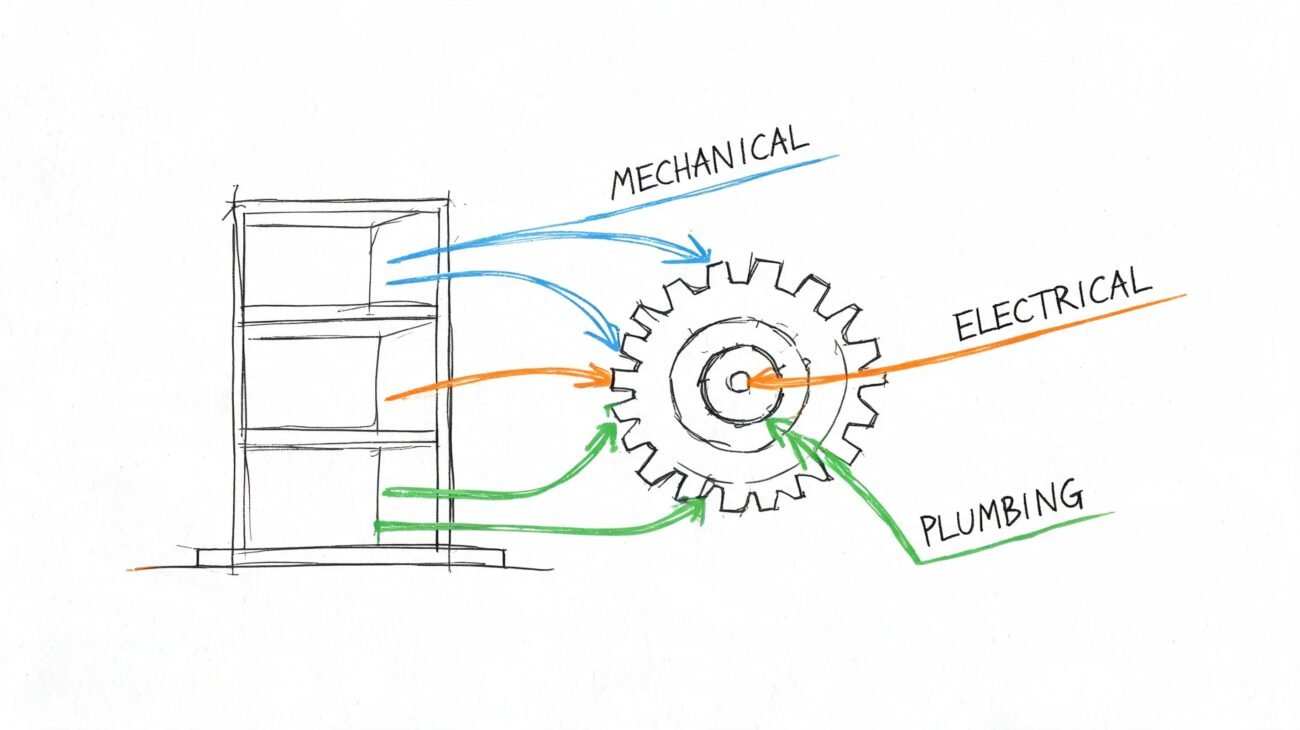
That gap sits in the space between the building on paper and the building people occupy. It shows up in design assumptions, construction tolerances, operating habits, weather shifts, and maintenance drift. If you work in MEP engineering design, this is the part that matters most. Not whether the calculation ran, but whether the delivery process managed the assumptions that calculation depends on.
The Real-World Gap in HVAC Performance
The most common misunderstanding in HVAC design vs actual performance is thinking that a correct calculation should produce a complaint-free building. It won't. A load model gives you a disciplined basis for equipment sizing. It does not give you a guarantee of comfort across every room, every operating condition, and every future year of building use.
I've seen this most clearly on projects that looked clean on paper. Good envelope notes. Sensible zoning. Equipment selections that matched the schedule. Then the building opens and the pattern starts. Solar-heavy rooms drift in the afternoon. Conference spaces recover slowly after full occupancy. Facilities staff begin applying overrides because that solves today's complaint faster than tracing the root cause.
Field lesson: A building can be “right” at submittal, “acceptable” at startup, and still perform poorly in operation if the project team treats load calculations for hvac as the finish line instead of the baseline.
That distinction matters for margin protection too. Teams that understand the gap earlier produce fewer late RFIs, fewer change-driven workarounds, and fewer downstream arguments about whether the model or the installation was “wrong.” They build more reliable decision checkpoints into production.
What HVAC Load Calculations Actually Model
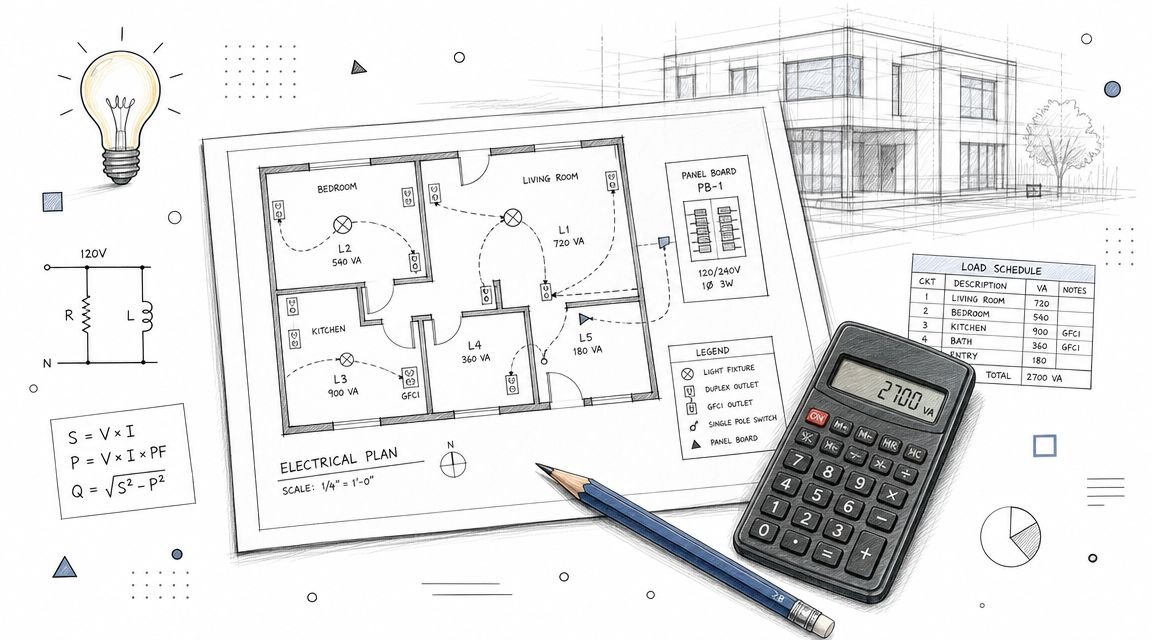
At their core, HVAC load calculations are mathematical estimates of peak heating and cooling demand under a defined set of design conditions. Whether the workflow uses Manual J on the residential side or ASHRAE-aligned methods and energy modeling tools like EnergyPlus, HAP, or eQUEST on the commercial side, the output is still the same kind of thing. A sizing input for equipment and air distribution decisions.
That matters because a peak load is not an annual operating profile. It isn't a utility bill forecast. It isn't proof that occupants will be comfortable in every mode of use. It is a model of how much heating or cooling the building may need at a defined moment if the assumptions are reasonably true.
A small change in those assumptions can move the result more than many teams expect. A National Renewable Energy Laboratory analysis showed that minor adjustments to outdoor and indoor design conditions can exaggerate loads by up to 9,400 BTU/h, a 45% increase in total cooling load, large enough to increase system size by 1 ton when ACCA Manual S procedures are applied.
The three assumption buckets
Most performance problems trace back to one or more of these:
- The building as designed versus the building as built. The model assumes envelope values, infiltration behavior, and airflow delivery that the field may not reproduce.
- The building as assumed versus the building as used. Schedules, occupancy, plug loads, and tenant behavior rarely stay inside template assumptions.
- The building at turnover versus the building over time. Equipment, controls, filters, coils, and envelope components drift away from day-one conditions.
What the output is for
Load calculations are still indispensable. They are the foundation for selecting equipment, distributing airflow, and structuring zoning. They also establish a technical language the architect, engineer, contractor, TAB team, and owner can all work from.
A load calculation is best treated as a design model with declared assumptions, not as a promise about building behavior after construction and occupancy.
That's the mindset shift that improves mechanical engineering building performance. Teams stop asking whether the number is final and start asking whether the assumptions are being protected.
The As-Designed vs As-Built Performance Gap
The first gap appears before anyone moves into the building. It starts in the field, where perfect geometry and perfect assemblies stop existing.
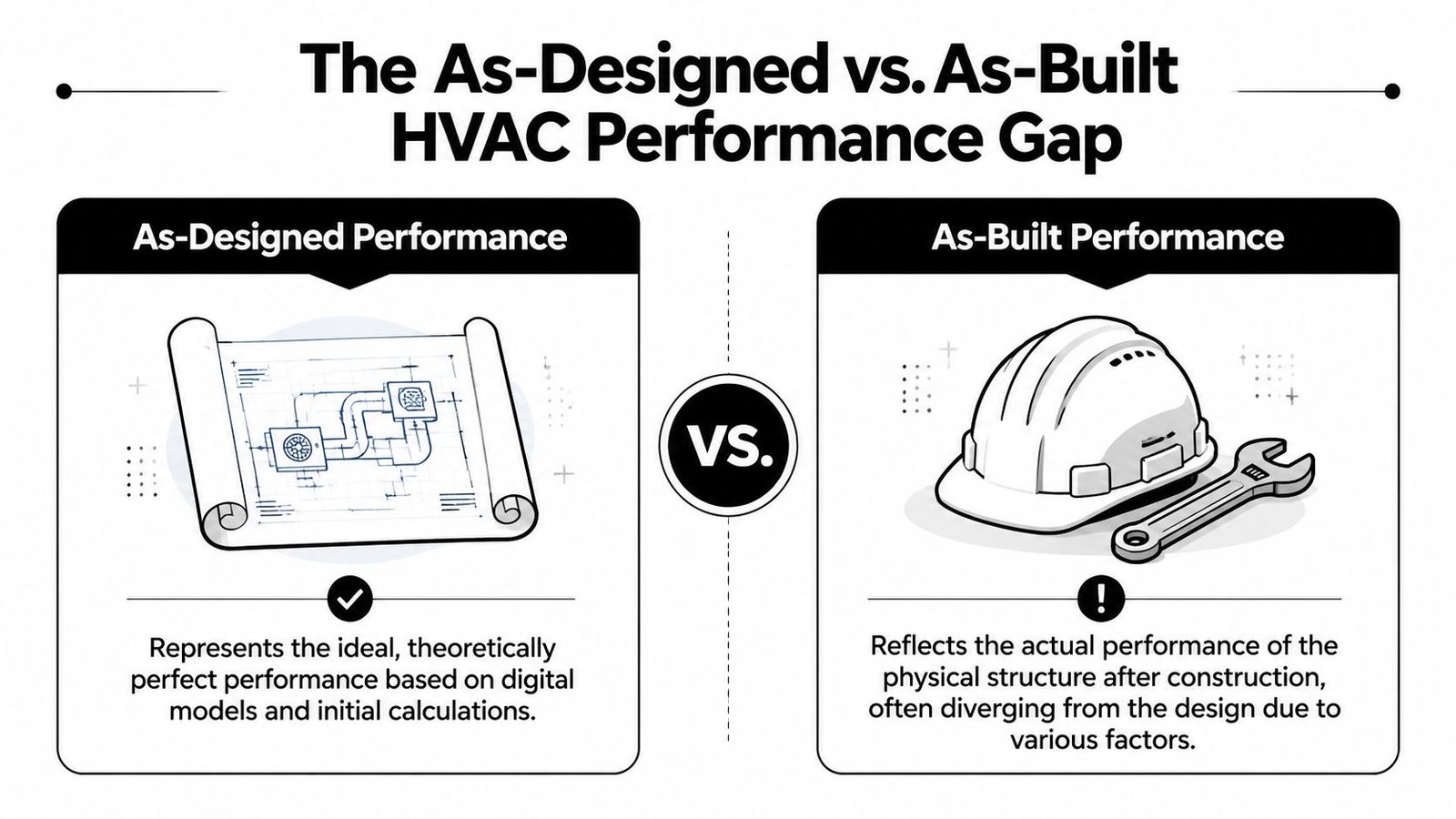
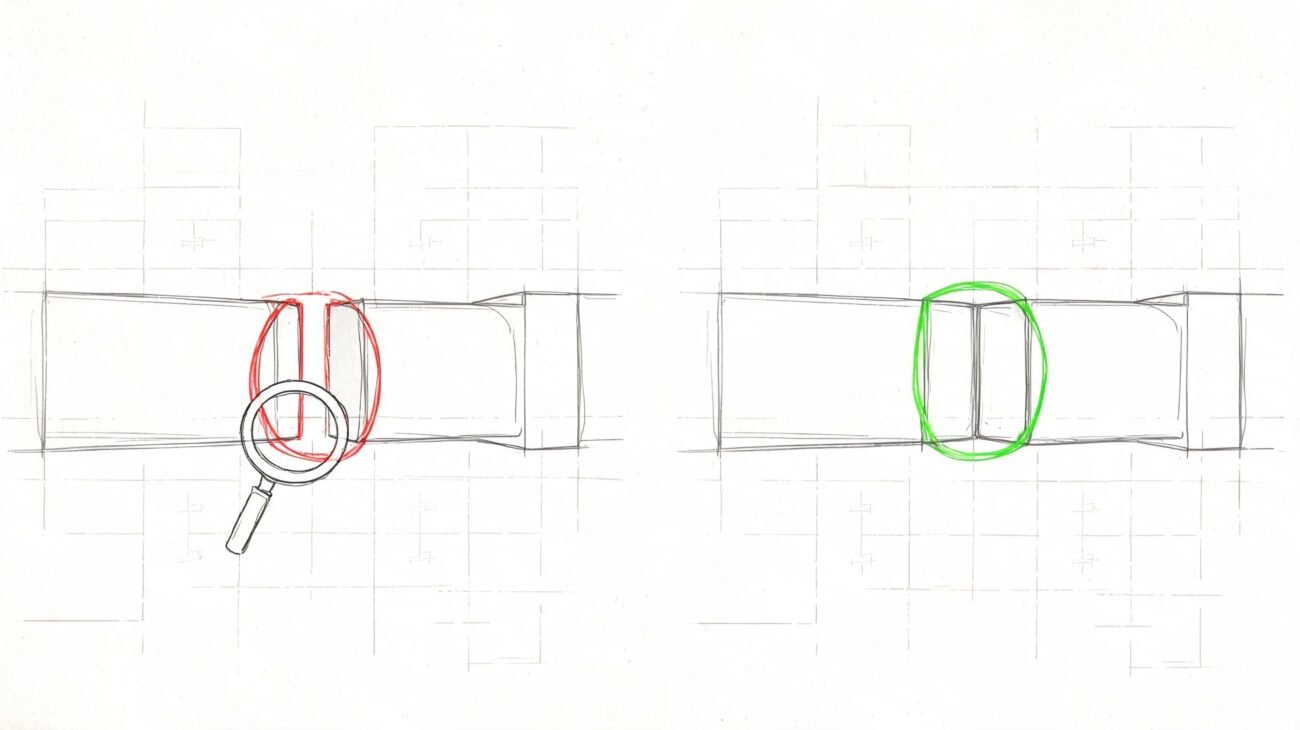
A design model assumes walls, roofs, windows, ducts, and control intents that match the documents closely enough to preserve the thermal logic of the job. But construction introduces small deviations everywhere. Penetrations shift. Batt insulation gets compressed around services. Access requirements alter duct routing. The air barrier gets interrupted by later trades. None of those changes look dramatic in isolation. In aggregate, they change the building the HVAC system is trying to serve.
Where the physical building diverges
Envelope performance is a frequent offender. The load model may rely on nominal insulation values and clean assembly assumptions. The field gives you thermal bridges, gaps, and inconsistent installation quality. Even when the spec is solid, the installed assembly often performs below the modeled intent.
Air leakage is similar. Designers usually have to assume infiltration behavior because they don't yet have test data. But real leakage paths are created by coordination misses and sequencing decisions. A door frame detail that looked harmless in a review set can become a recurring comfort problem once stack effect and pressure relationships show up.
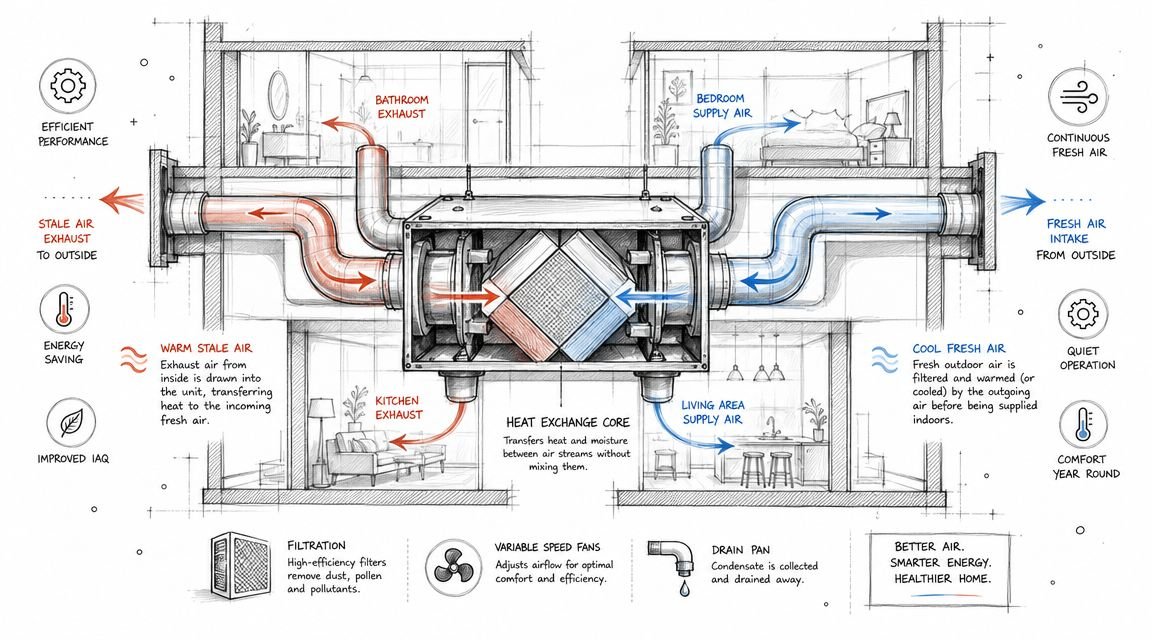
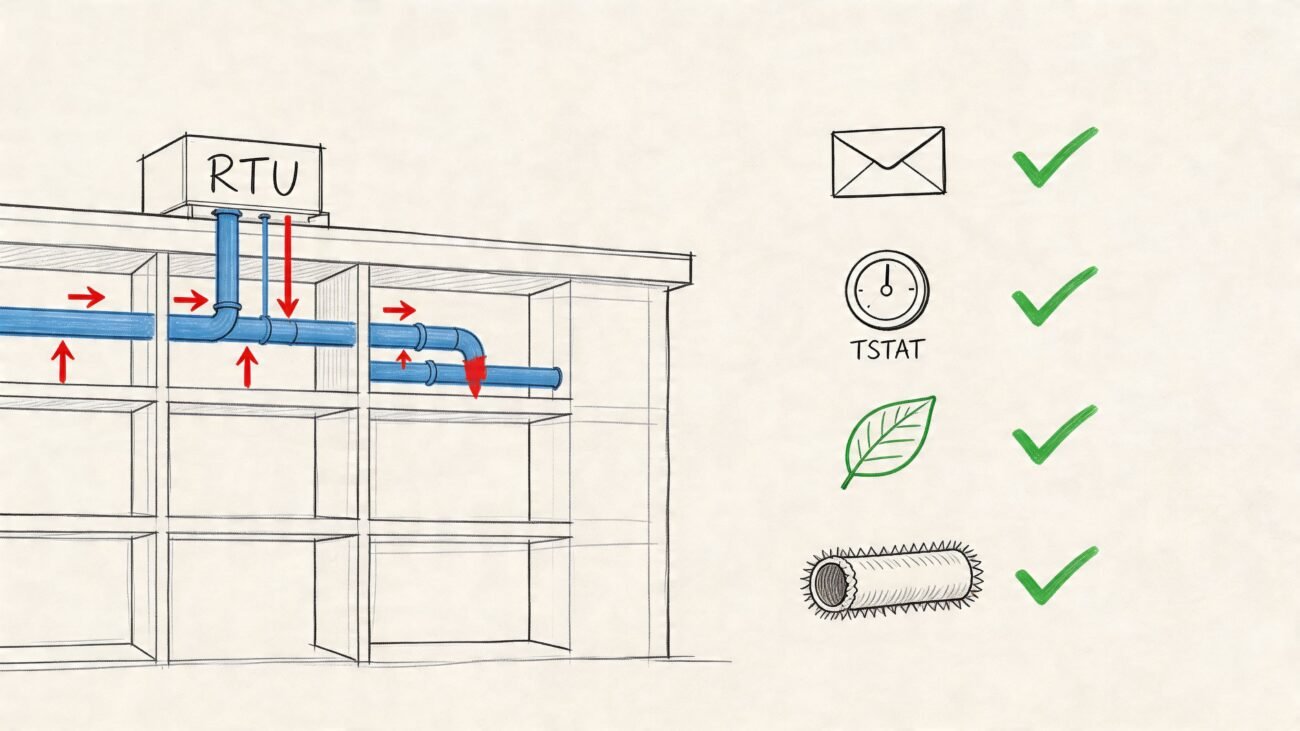
Duct systems create another predictable gap. Leakage, routing changes, and installation constraints reduce delivered air even when the equipment itself is fine. In practice, the issue is rarely one catastrophic mistake. It's accumulated friction from many “small” tolerances.
Why part-load behavior complicates the story
Even when the building is fairly close to design, equipment rarely lives at peak conditions. It spends most of its operating life below them. That matters because HVAC system performance at part load often differs from the clean rated conditions that informed selection.
The design may be defensible and the building may still feel unstable in operation because the control sequence, turndown behavior, or zone-level airflow response doesn't align with the actual load pattern.
A useful way to explain this to project managers is simple:
| Design assumption | Built reality |
|---|---|
| Assemblies perform as scheduled | Assemblies perform as installed |
| Airflow matches design intent | Airflow is affected by leakage, routing, and balancing limits |
| Zones behave as modeled | Solar exposure, occupancy, and field conditions vary room by room |
| Equipment serves calculated peaks | Equipment spends most hours away from peak |
Disciplined coordination proves its worth. Better detailing, fewer field improvisations, and earlier QA checkpoints reduce the thermal difference between the BIM model and the finished building.
How Occupancy and Usage Break the Model
The second gap starts when people arrive. Buildings don't use themselves the way the templates say they will.
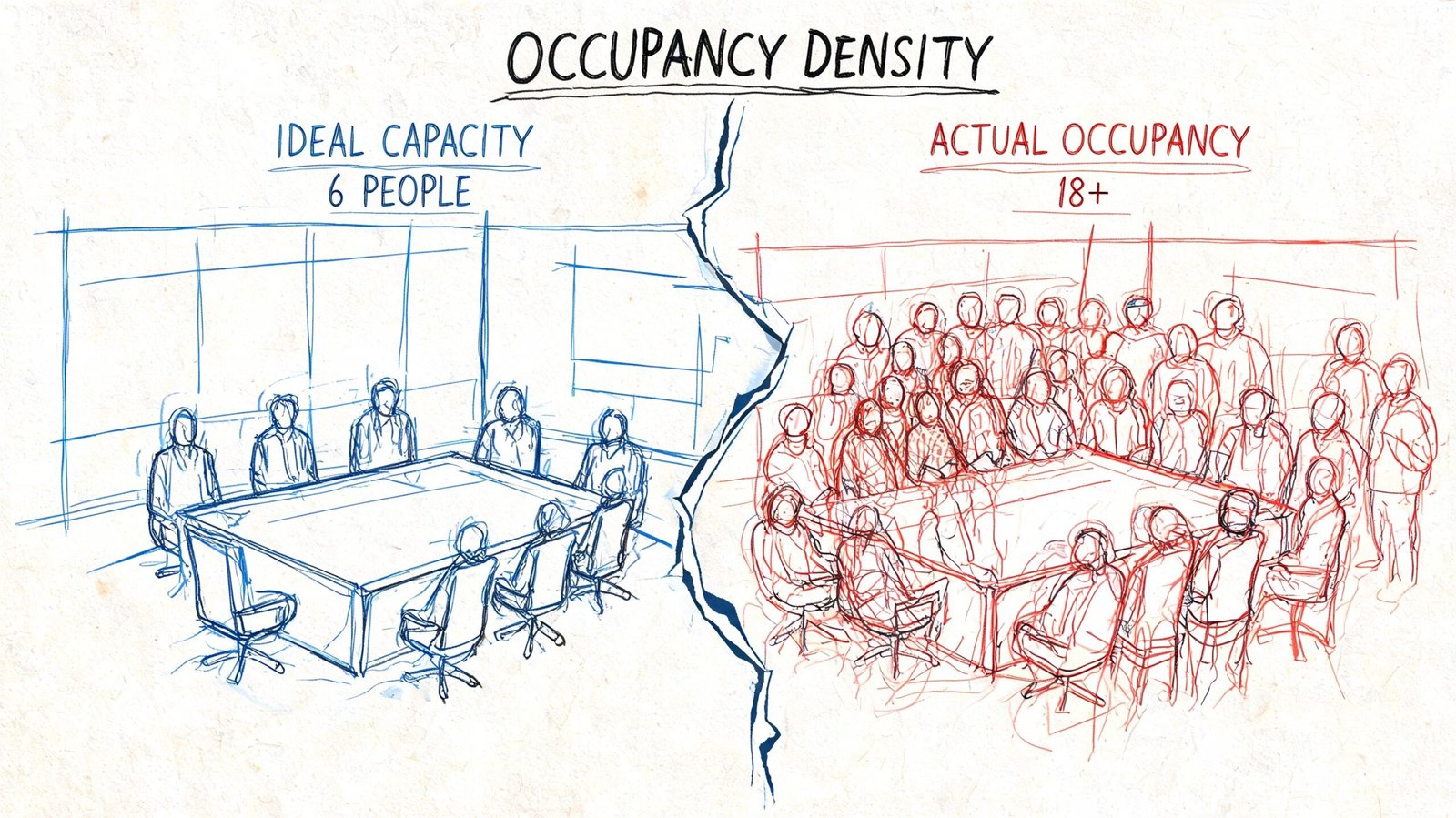
A conference room that is code-compliant on paper can still be a comfort problem if the organization uses it as an all-hands room. An open office can feel over-conditioned if the tenant occupies only part of the floor but the system was designed around fuller use. Neither condition means the original calculation was negligent. It means the operating reality changed the internal load mix.
Internal gains don't stay still
Modern interiors are especially hard on static assumptions. Plug loads shift with tenant type, device density, workstation power, display walls, and after-hours use. Lighting gains can also diverge when fit-out decisions don't match the basis of design. Even with efficient lighting, schedules often don't behave as modeled because tenant control practices vary widely.
Occupants also create sensible and latent loads differently from what generic templates imply. In some spaces, the problem is simple overcrowding. In others, it's unpredictable use intensity across the day.
A room-by-room approach exists for a reason. As one practitioner-oriented guide notes, south-facing rooms can have up to 50% higher cooling loads than north-facing equivalents due to solar gain, which is one reason manual room-level methods remain important in zoning and duct design workflows in the Manual J load calculation methodology reference.
Schedules are often the weakest assumption
Project schedules tend to imagine buildings in neat blocks of occupied and unoccupied time. Actual buildings run on exceptions. People arrive early. Tenants stay late. Weekend events happen. Doors get held open for deliveries. Someone brings in portable appliances. Facilities adds local overrides to stop complaints.
A few common examples:
- Meeting spaces spike suddenly and recovery takes longer than expected.
- Tenant equipment changes after fit-out, but the base assumptions don't get revisited.
- Windows and doors are operated for convenience, not according to design intent.
- Space heaters appear in zones with airflow or control complaints, which creates a second problem while masking the first.
The model assumes behavior. The building experiences habits.
That is why responsive controls, realistic zoning, and post-occupancy review matter more than polished early calculations alone. If the project team never revisits how spaces are being used, the gap widens and then shows up as an owner complaint.
Performance Degradation and the Effects of Time
Even if the building opens in good condition, performance doesn't stay fixed. It drifts.
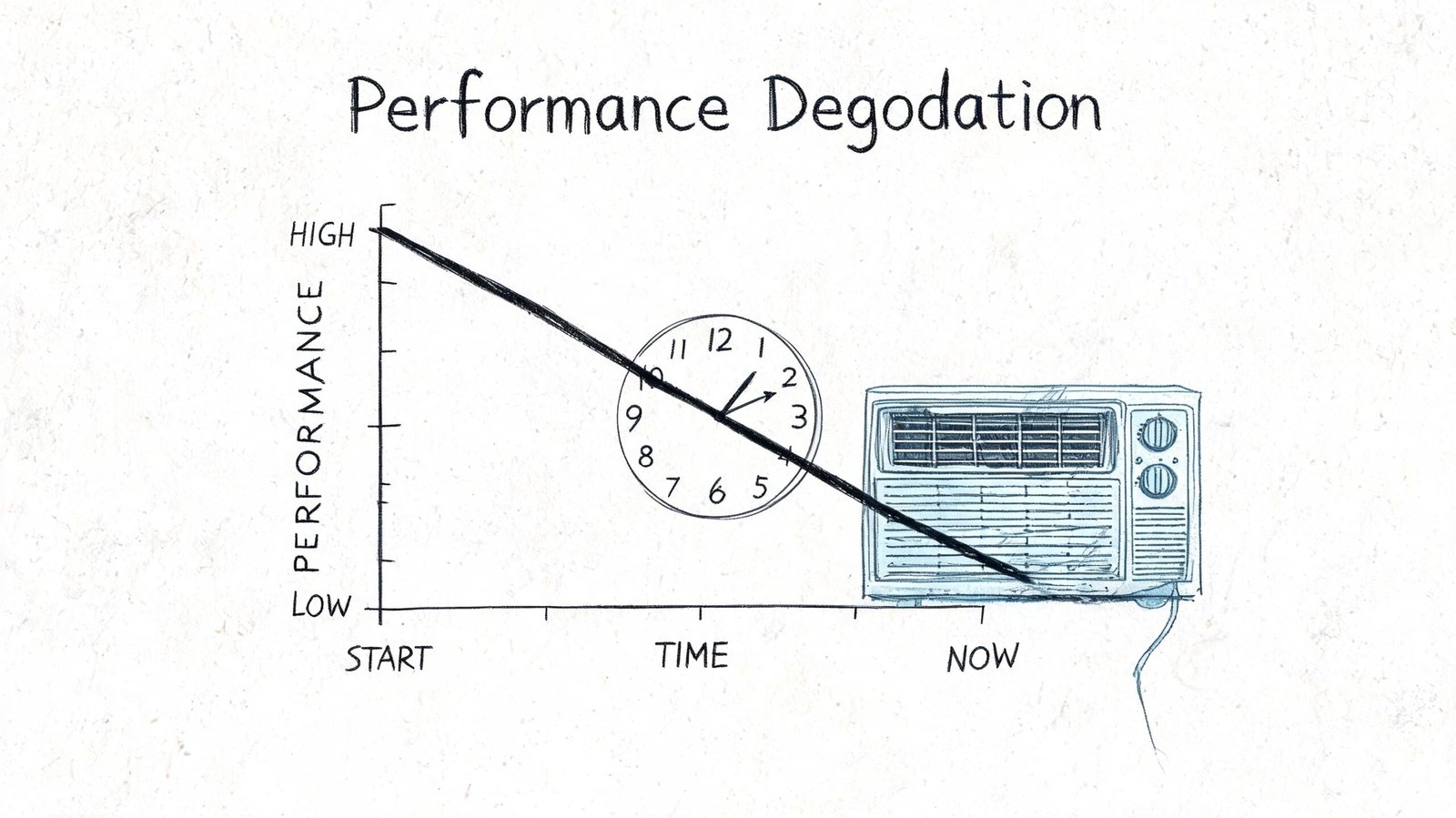
The load calculation and commissioning process capture a baseline at a point in time. Operations begin the day that baseline starts moving. Filters load up. Coils foul. Sensors lose calibration. Operators override sequences because they're trying to keep occupants comfortable now, not preserve the original sequence of operations.
What drift looks like in practice
Equipment degradation is normal. Fans, coils, compressors, valves, and dampers don't perform indefinitely at day-one condition. The same is true for the building envelope. Sealants age. Gaskets wear. Small failures in maintenance discipline become building-wide performance effects.
Control drift is often the hardest issue to spot because it usually arrives disguised as problem-solving. A facilities team member changes a setpoint, locks out a sequence, or extends operating hours to stop a complaint. That local fix can create a broader system imbalance that no one traces back to the original change.
Why operations must be part of the design conversation
A practical handoff should include more than O&M manuals and a commissioning report. It should include clear decision checkpoints for maintenance, seasonal review, and setpoint governance. Without that, the building slowly stops being the building the engineer designed.
Consider the operating chain:
- Airflow falls because filters or coils aren't maintained well.
- Zones drift and occupants complain.
- Controls get overridden to patch the symptom.
- Energy use climbs while comfort gets less stable.
- The owner blames the original design because the documented baseline is now far behind reality.
Practical rule: If the owner doesn't have a simple process for preserving control intent, the building will eventually operate on workaround logic.
That isn't a criticism of facilities teams. It's a predictable outcome when project delivery stops at turnover.
When Climate Data Assumptions Fall Short
Weather data has always been an assumption, not a certainty. That assumption is under more pressure now than many design workflows acknowledge.
The issue isn't only that design weather represents a statistical condition rather than every extreme hour. The deeper problem is that some projects still rely on climate inputs that lag the environment the building will face during operation. According to the cited projection, 2025-2026 data shows 15-20% hotter summers, and load calculations using pre-2020 bin data can undersize systems by 10-20%. The same source notes that east-west oriented homes can see 25% higher solar gains. Those points are summarized in this discussion of why updated HVAC load calculations matter in warmer conditions.
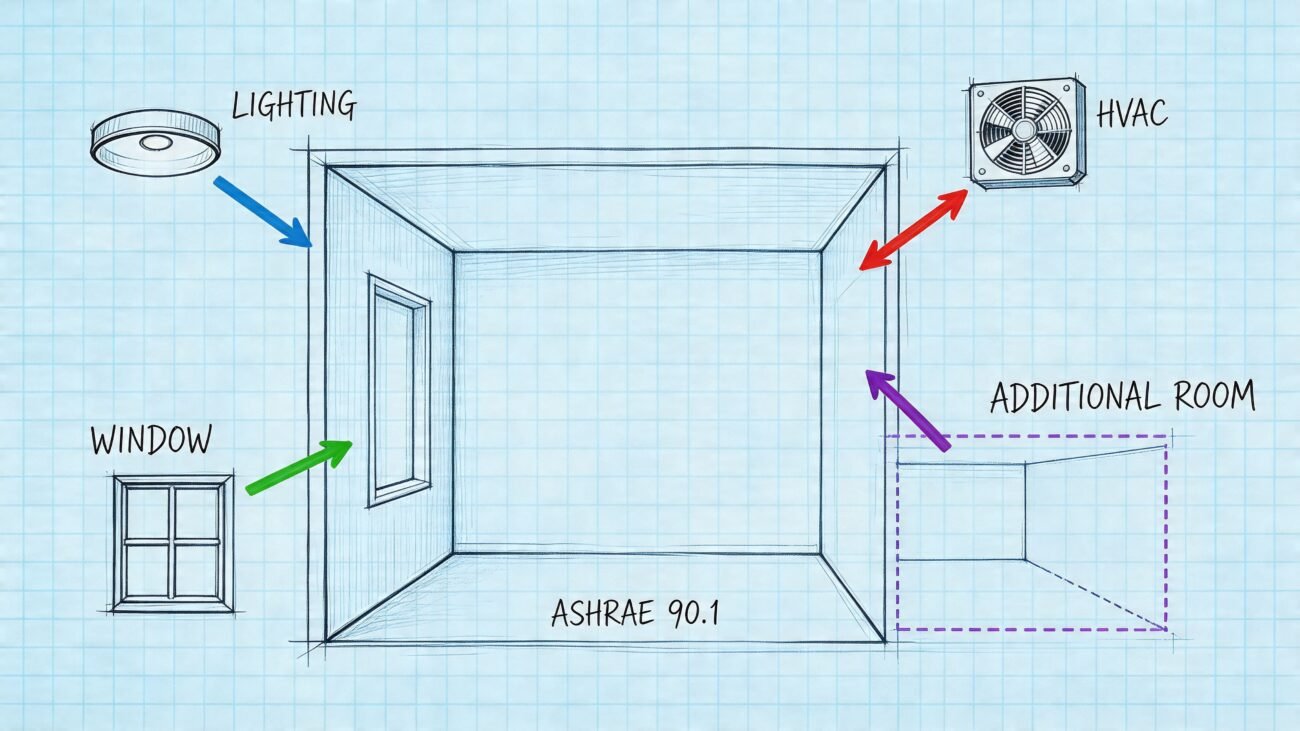
That becomes even more relevant when orientation, glazing exposure, and envelope sensitivity are already challenging. For firms working through code-driven performance decisions, updated climate assumptions should sit beside other compliance checks such as ASHRAE 90.1 considerations in building performance workflows.
Why localized context matters
Airport weather data doesn't fully describe dense urban sites, and broad climate bins don't fully describe difficult facades. If the project is heat-sensitive and the orientation is unforgiving, a generic weather basis can leave the system exposed when the building sees prolonged hot periods.
This doesn't mean every project needs a heroic modeling exercise. It does mean the team should be honest about whether the selected weather basis still reflects the building's likely operating reality.
Bridging the Gap with Smarter Design and Delivery
Once you accept that the gap is predictable, the response gets more practical. The goal isn't to chase a perfect model. The goal is to manage assumption risk through better production, verification, and feedback.

The first move is resisting crude oversizing as a universal safety blanket. Oversizing can hide some uncertainty at peak, but it often worsens control and part-load behavior. It can also make humidity control harder in some applications because the system satisfies sensible demand before it manages moisture well.
Better checkpoints beat bigger safety cushions
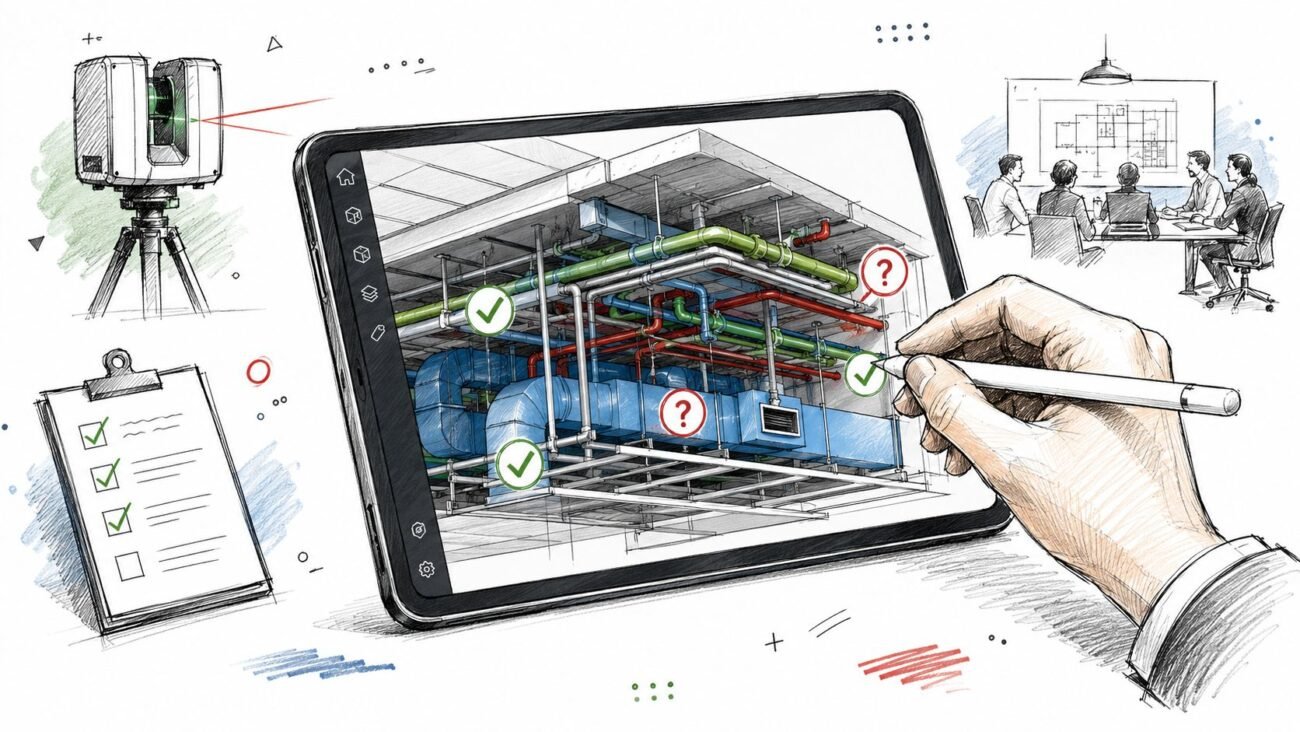
Teams with stronger production maturity usually rely on verification steps rather than assumption stacking. That includes envelope review, duct leakage testing, disciplined submittal comparison, and coordination checkpoints that catch thermal-impact changes before they become installed conditions.
A short list of useful checkpoints:
- Design intent review before coordination is frozen. Confirm that envelope assumptions, orientation impacts, and zoning logic still match the current model.
- Field verification milestones during construction. Don't wait until final commissioning to discover that the building differs materially from the basis of design.
- TAB and controls review together. Airside performance and control logic should be checked as one system, not as separate closeout exercises.
- Post-occupancy monitoring. Early operational data is where many hidden mismatches first become visible.
BIM workflows help if they're connected to QA
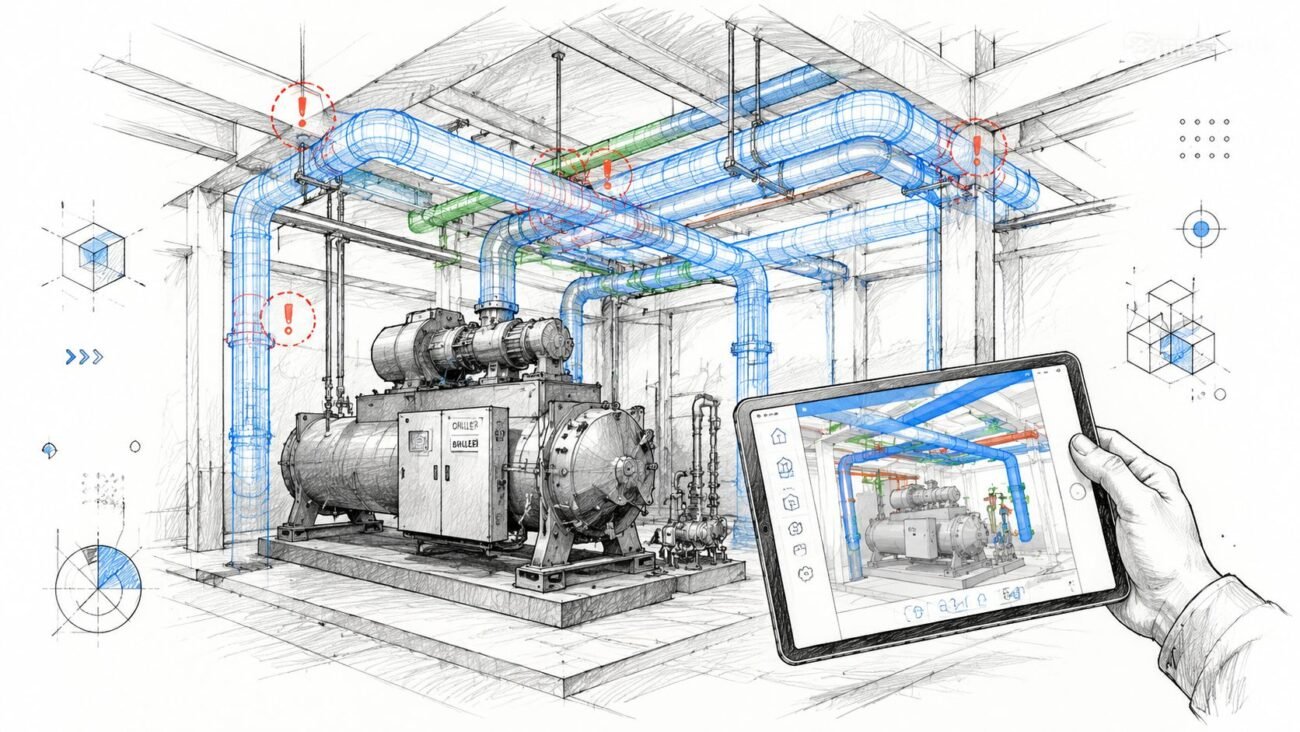
This is one area where process maturity matters more than software branding. A BIM model is useful only if it drives consistent data into downstream calculations and review. When that handoff works, teams cut transcription mistakes and preserve intent more reliably.
A cited workflow note states that integrating BIM models with tools like Right-Suite or HAP can reduce manual errors by up to 30% in model-based workflows, which is why many AEC firms now push for tighter BIM-to-analysis coordination in model-based HVAC load calculation processes.
That supports the broader delivery model many firms want now. Better templates. Repeatable QA. Clear decision ownership. Fewer late-stage surprises. The best payoff isn't just technical accuracy. It's operational consistency across projects and delivery pods.
Known Errors in Standard Calculation Methods
Even with careful inputs, standard methods still simplify reality. That's not a flaw in the profession. It's the price of making design work tractable.
Peak load methods are designed to support equipment sizing. They are not annual energy predictors. When teams or owners read a sizing output as if it were an operating-cost forecast, confusion starts early.
The simplifications that matter most
Most methods treat zones in relatively discrete terms even though real buildings transfer heat between spaces, plenums, shafts, and corridors. They also rely on steady-state assumptions to represent conditions that are transient, such as morning pull-down, solar lag, or intermittent internal gains.
Humidity is another major source of distortion when teams focus too heavily on dry-bulb logic. A cited reference notes that overlooking latent load accounts for 45% of calculation errors in humid U.S. markets, leading to 20-40% short-cycling and a 15% efficiency loss in the discussion of cooling load principles and latent performance.
For firms reviewing residential workflows or mixed-use work with humid climate exposure, this is one reason to be stricter about Manual J calculation discipline in load sizing practice.
What to do with that limitation
Don't treat the method as broken. Treat it as bounded. The more sensitive the project is to moisture, unusual occupancy, orientation, or operating variability, the more carefully the team should handle the assumptions around latent load, controls, and field verification.
From Calculation to Reality with Production Discipline
The gap between HVAC load calculations and real-world performance isn't evidence that the design process failed. It's evidence that buildings are physical systems occupied by people and operated over time. Models can't remove that complexity. Teams can only manage it better.
The firms that get more predictable outcomes don't rely on a perfect calculation. They rely on disciplined production. They standardize templates, protect data handoffs, verify field conditions, and create QA checkpoints that catch drift before it becomes a comfort issue or a claims issue. That's how building energy performance gap problems become smaller, more diagnosable, and less expensive to fix.
If you want HVAC design and actual building behavior to stay closer together, start by treating assumptions as deliverables. Then review whether your current workflow for HVAC load calculations protects them from concept through occupancy.
If your team is trying to make HVAC design more buildable, more verifiable, and less exposed to avoidable performance gaps, BIM Heroes is a useful place to start. We work with AEC firms that need stronger MEP production systems, clearer coordination checkpoints, and delivery workflows that hold up after the model leaves the screen. If it would help, reach out for a practical framework, checklist, or review process you can apply to your next project.