Meta title: LEED vs. ASHRAE 90.1 vs. Sustainability Reporting
Meta description: How LEED certification, ASHRAE 90.1 code compliance, and sustainability reporting relate, and where the data behind all three comes from.
WordPress category: BIM Technology & Workflows
A client says they need sustainability reporting on a project, and the room usually splits three ways. One person starts talking about LEED points. Another thinks it means passing energy code. A third assumes it belongs to the owner's finance team and has nothing to do with design production.
That confusion creates scope gaps fast. If the team doesn't separate ASHRAE 90.1 compliance, LEED certification, and building performance reporting, the wrong people chase the wrong deliverables, and the data gets assembled too late to trust.
In practice, these are three different layers of work. ASHRAE 90.1 is a baseline energy standard often referenced by code. LEED certification is a project-level, third-party certification program that often builds on that baseline. Sustainability reporting is an ongoing disclosure practice that owners use to communicate performance across projects, assets, and portfolios.
The important question isn't which one matters most. It's which one the contract requires, what the client is asking for, and where the supporting data needs to originate so the team can deliver without burning fee.
Untangling the Green Tape
A principal gets an RFP for a new commercial building. The owner wants energy efficiency, asks whether the project should pursue LEED, and also requests sustainability reporting support. On paper, that can look like one sustainability requirement. In delivery, it isn't.
The first decision is classification. If the jurisdiction references an energy standard, the team must satisfy a compliance path. If the owner wants a recognizable project credential, that points to LEED certification. If the owner needs numbers for annual disclosures, investor communications, or portfolio reporting, that's sustainability reporting.
Those distinctions matter because each one triggers different workflows.
Field lesson: If you treat reporting, certification, and code as interchangeable, you usually discover the mismatch during submittals, not during planning.
A simple way to frame it for a project kickoff is this:
- Code requirement: The project must meet the governing energy rules adopted by the jurisdiction.
- Certification requirement: The project must document defined credits and prerequisites for a third-party review.
- Reporting requirement: The owner needs usable performance data that can be rolled up beyond a single building.
That sounds straightforward, but teams still blur the lines because the same model elements often feed all three. Envelope assemblies, lighting assumptions, equipment selections, quantities, and schedules can all become compliance inputs, LEED documentation support, or ESG construction data later on.
ASHRAE 90.1 The Baseline Energy Code
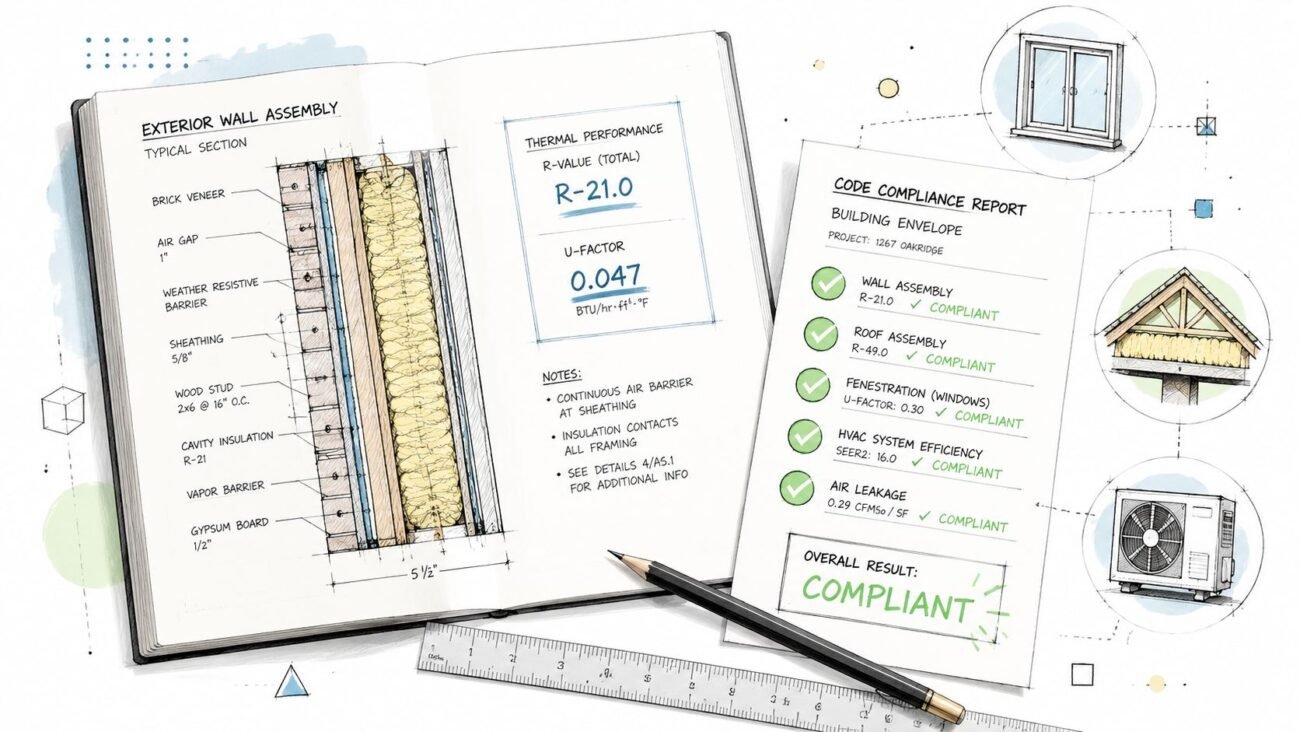
ASHRAE 90.1 is best understood as the energy-performance floor many projects have to clear. It isn't a badge, and it isn't evidence that a project has gone beyond standard practice. It's the baseline that supports permit readiness and code compliance, depending on the jurisdiction.
What it governs in practice
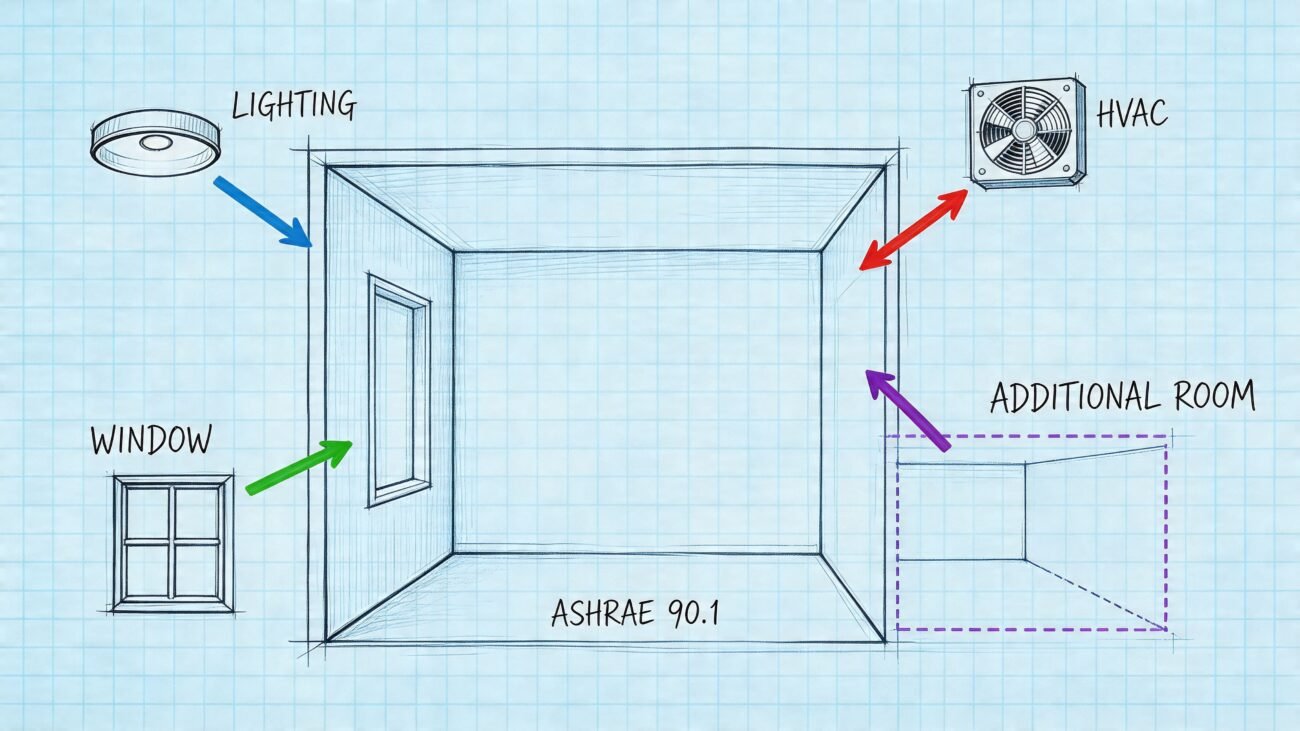
At a high level, teams usually encounter ASHRAE 90.1 through decisions tied to:
- Envelope performance: Wall, roof, glazing, insulation, and thermal characteristics.
- Lighting power: Interior and exterior lighting power density and controls.
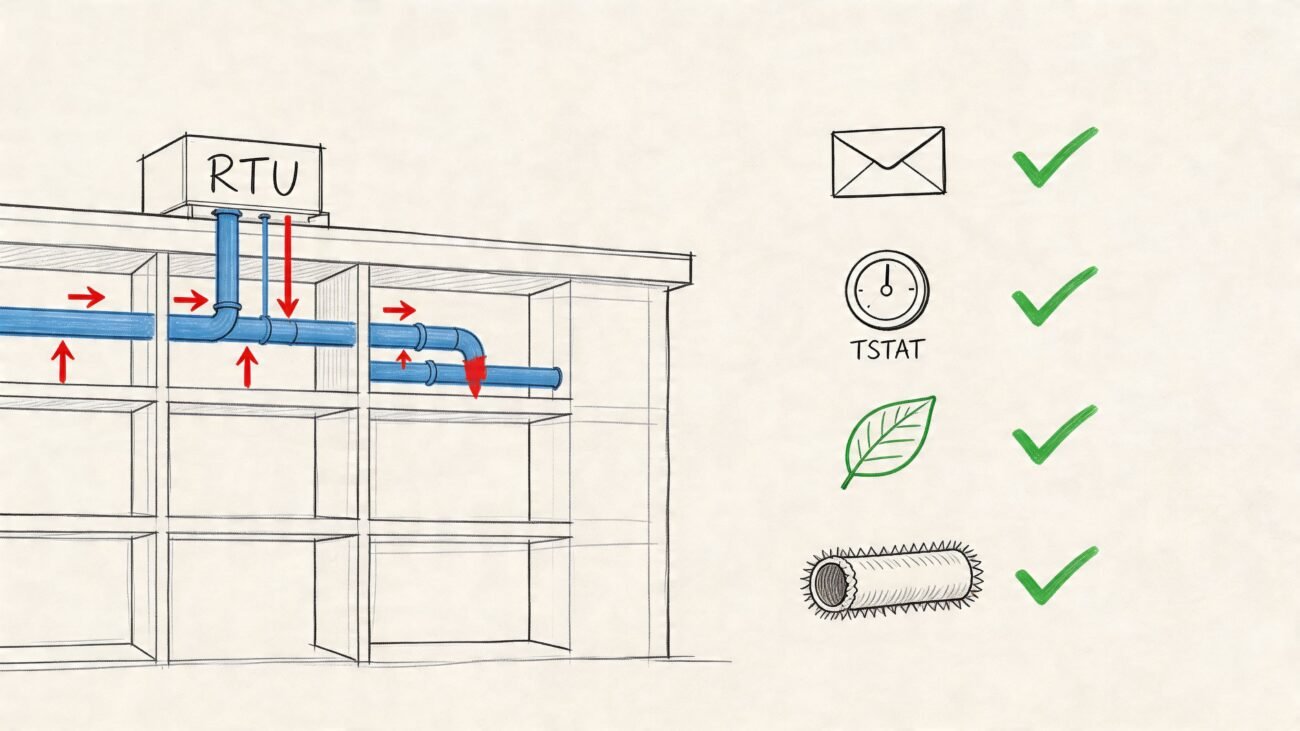
- Mechanical efficiency: HVAC system performance, equipment efficiency, and control strategies.
Those aren't marketing concepts. They show up in real production decisions, coordination reviews, and energy model assumptions.
When a PM says a project is “good on sustainability” because it meets energy code, that usually overstates what the work proves. It proves compliance. That's necessary, but it's still the floor.
What it doesn't mean
Passing an energy code check doesn't mean the building is optimized. It doesn't mean the owner has a portfolio-ready reporting package. It doesn't mean the project has achieved a certification target.
It means the design meets the required minimum standard for energy-related criteria in that jurisdictional path.
For teams that need a stronger grounding in the compliance side, this guide on ASHRAE 90.1 energy code compliance is a practical next read.
Most fee problems here come from timing. Teams wait until late DD or CD to reconcile envelope, lighting, and MEP assumptions, then discover the compliance story and the design story don't match.
That's why production maturity matters. Good template discipline, early model setup, and clear QA checkpoints keep code assumptions from drifting between architect, energy modeler, and MEP engineer.
LEED A Certification Program Beyond Code
At kickoff, owners and project teams often start talking past each other. The owner says they want “a sustainable building.” The contract says LEED Gold. The energy consultant is checking one baseline, the architect is tracking another set of credits, and the PM needs to know which tasks belong in fee and which do not.
LEED certification is a voluntary project rating system administered through the U.S. Green Building Council. It sits above minimum code compliance and asks the team to document specific choices, calculations, submittals, and outcomes well enough to survive third-party review.
How LEED uses the baseline
LEED builds on code instead of replacing it. In the energy category, teams commonly reference a baseline model and then document improvement relative to that baseline to earn points. That is why ASHRAE 90.1 shows up in LEED conversations even though the two are not the same requirement.
From a production standpoint, the distinction matters. Code compliance usually answers the permit question. LEED adds a documentation question, a coordination question, and a risk question. A design can be permit-compliant and still miss LEED points because the required calculations, product data, commissioning scope, or owner decisions were not lined up early enough.
That gap is where teams lose time.
What owners are actually buying
Owners pursue LEED for reasons that are specific to the project. Leasing strategy, tenant expectations, campus standards, financing conditions, and board-level sustainability commitments all show up here. The output is a certification level such as Certified, Silver, Gold, or Platinum, tied to that building and that review cycle.
For a PM, the main point is simple. LEED is a managed certification process with deadlines, credit interpretations, backup documentation, and review comments. It is not a substitute for code compliance, and it is not the same as an annual corporate disclosure program.
The data burden is different too. Some LEED inputs can come straight from coordinated BIM content if the model is structured well. Material quantities, room data, fixture counts, equipment schedules, and product selections can support credit documentation. Other credits still depend on inputs outside the authoring model, such as manufacturer disclosures, commissioning records, waste logs, and owner policy decisions. If teams assume “the model has it,” they usually find out late that half the package lives in specs, submittals, consultant reports, and contractor tracking.
That is why experienced teams define the source of truth by credit, not by aspiration.
A useful rule in client conversations is this:
| If the client asks for | The likely deliverable |
|---|---|
| A recognized project credential | LEED documentation and certification process |
| Permit-ready energy documentation | Code compliance path tied to jurisdiction |
| Annual portfolio metrics | Sustainability reporting inputs |
Owners may also connect LEED goals to broader procurement policies, including operational requirements outside the building scope, such as sustainable electronics recycling in Atlanta. That does not turn LEED into sustainability reporting. It means one project can sit inside a larger ESG program with different data owners, different deadlines, and different approval paths.
Sustainability Reporting A Different Animal Entirely
A principal signs off on a project at substantial completion, then gets a request from the owner's corporate team six months later for embodied carbon totals, energy model assumptions, waste diversion records, and procurement data formatted for an annual disclosure. That request is sustainability reporting.
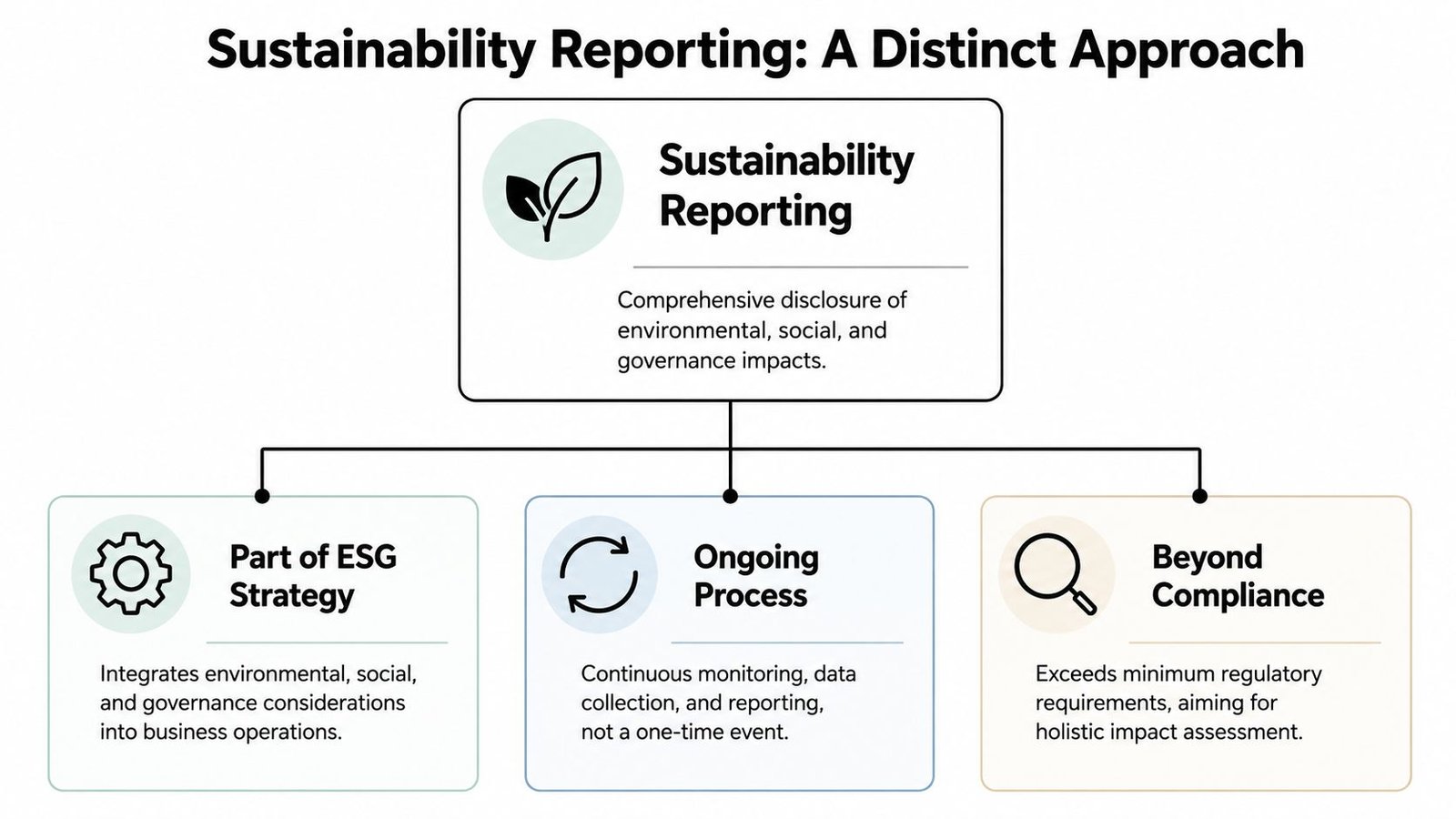
Sustainability reporting is recurring organizational disclosure. It usually sits with the owner, operator, fund, or parent company, and it pulls from many sources beyond a single project file. The scope can include energy, water, waste, embodied carbon, procurement impacts, and operational data collected after turnover.
Why AEC teams are seeing more of it
Large owners now treat sustainability disclosure as a standard governance function. Once they report at the portfolio or corporate level, project teams are expected to provide data that can survive audit, internal review, and year-over-year comparison.
That changes the production brief.
A code-compliant set may satisfy the jurisdiction. A LEED package may satisfy the certification target. Sustainability reporting adds another requirement. The data has to be reusable outside the project team, often in the owner's reporting platform, finance workflow, or asset management system. If naming, units, boundaries, and assumptions are inconsistent, the handoff becomes a manual cleanup exercise that burns fee and creates exposure.
What owners usually need from project teams
The reporting team usually asks for information that can be traced back to a model element, schedule, submittal, estimate, log, or consultant calculation. Common requests include:
- Energy performance inputs: Baseline assumptions, proposed design assumptions, model outputs, and notes on what was excluded.
- Material quantity data: Concrete, steel, glazing, insulation, and finish quantities that can feed embodied carbon calculations.
- Waste and procurement records: Contractor logs, supplier information, and closeout documentation.
- Operational handoff information: Asset data, equipment details, and structured records that facilities or reporting teams can carry into operations.
Some requests also sit outside the building package itself. An owner tightening ESG controls may review related procurement and disposal practices across the business, including IT asset handling. A practical example is sustainable electronics recycling in Atlanta, which shows how disclosure programs often pull in support functions beyond design and construction.
A reporting number only has value if someone can trace it back to a defensible source.
Why this becomes a contract and margin issue
This work is easy to underestimate because the asks sound familiar. "Give us material quantities" can mean a simple schedule export, or it can mean reconciled quantities by CSI division, mapped to carbon factors, with exclusions documented and consultant assumptions aligned. Those are very different scopes.
The trade-off is straightforward. Teams can define data ownership, formats, and checkpoints early, or they can reconcile conflicting files during closeout when nobody has time and every correction costs more. The second path is common when BIM content was built for coordination but never structured for downstream reporting.
Once reporting requirements hit the contract, the project team becomes part of the owner's disclosure chain. At that point, the question is not whether the building performed well in principle. The question is whether the number in the report can be tied back to a source that your team can defend.
How The Three Connect On A Real Project
A straightforward commercial office project shows the relationship clearly.
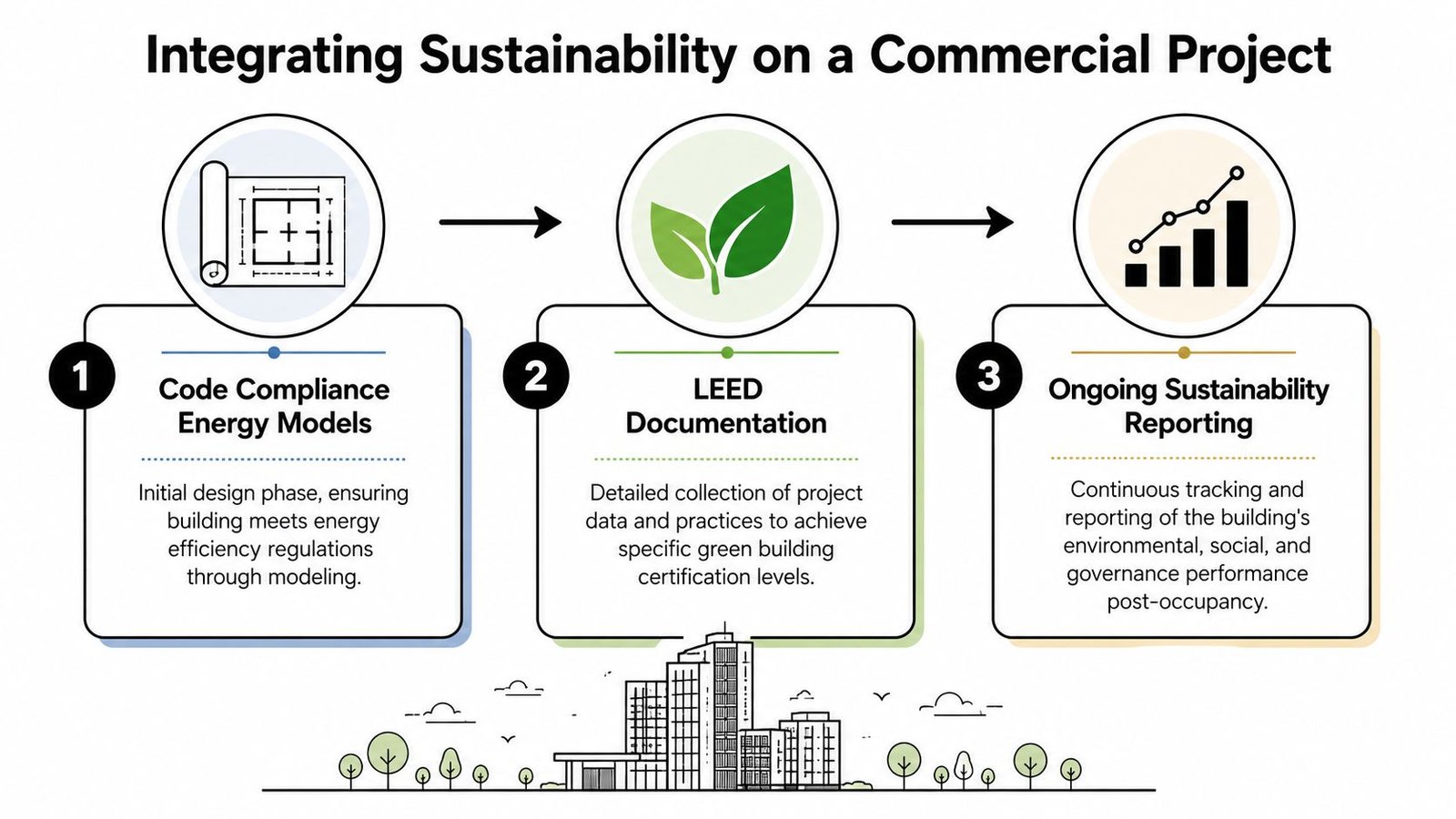
Step one is compliance
The design starts with jurisdictional requirements. The team develops the envelope, lighting approach, and MEP concept so the project can satisfy the applicable energy code path that references ASHRAE 90.1 or aligns with it through local adoption.
That work is permit-facing. It establishes the minimum acceptable performance.
Step two is project certification
The owner then decides the building should pursue LEED Gold. Now the same design team has to do more than comply. They need documentation, modeled comparisons, product information, and coordination discipline that support credits and prerequisites.
Weak production habits reveal themselves in certain situations. If naming standards drift, if schedules don't reconcile, or if consultants issue disconnected data sets, LEED documentation gets slower and more expensive than it should be.
Step three is portfolio reporting
The owner is a public REIT or large corporate occupier with annual disclosure obligations. The new building's information gets rolled into a larger portfolio story that may include operational energy, embodied carbon, water, and supply chain impacts.
At that point, the project is no longer just a project. It becomes one data point in an owner-wide reporting system.
The financial driver behind that chain is easy to see. Global ESG assets under management are projected to reach $40 trillion by 2030, which is one reason owners want project data that supports portfolio value narratives and investor-facing disclosures, as noted in this ESG statistics summary.
A PM can think about the sequence this way:
- Code sets the floor
- LEED documents above-code achievement
- Sustainability reporting rolls project data into an ongoing owner narrative
A project can pass code without pursuing LEED. It can pursue LEED without supporting a strong owner reporting workflow. The best-run projects know which layer they're solving at each milestone.
That's where scalable delivery pods help. When model authors, discipline leads, and QA reviewers work from a shared data structure, the team can support compliance, certification, and reporting without rebuilding the story three times.
Where The Data Actually Comes From
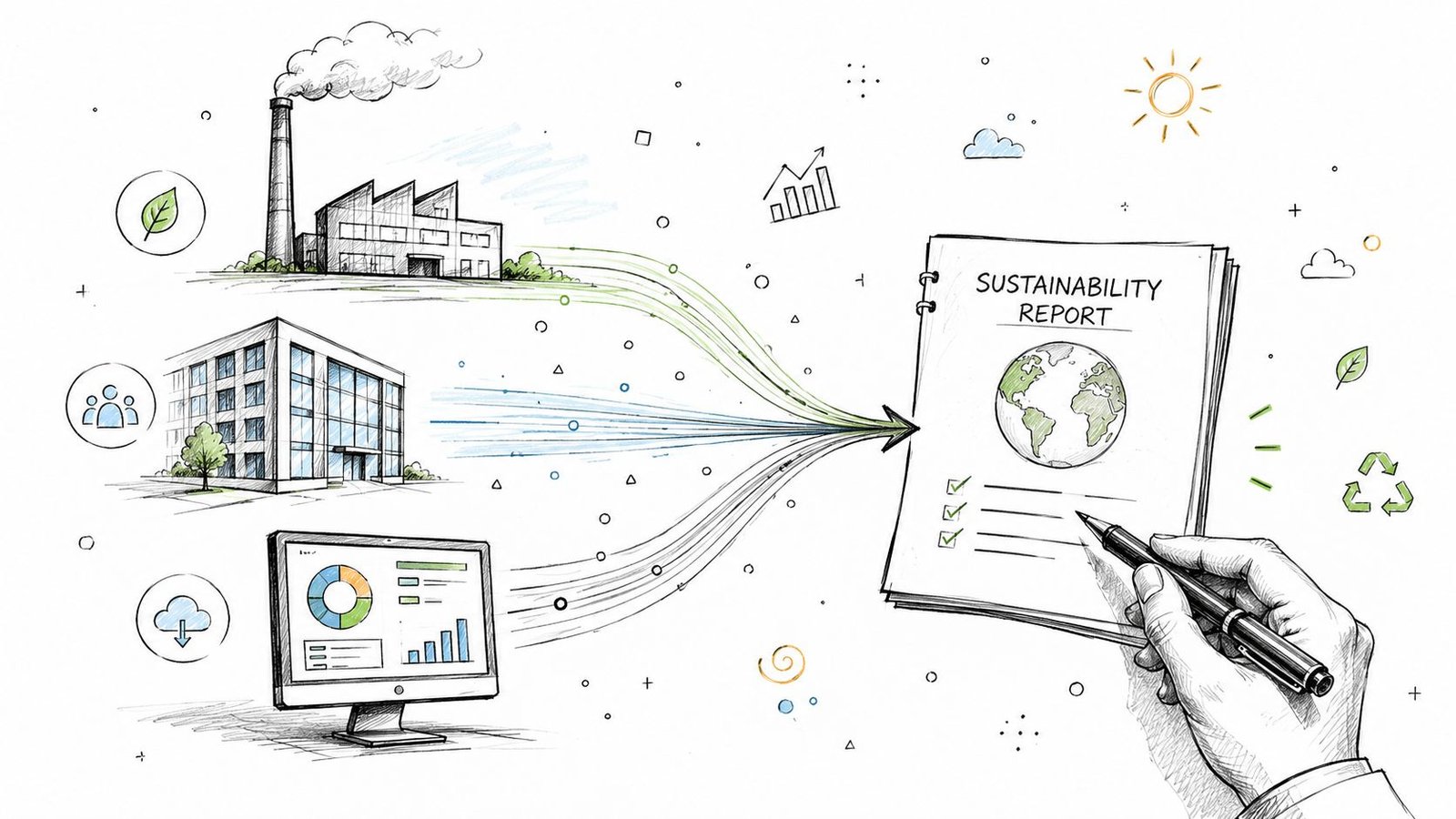
Most of the data behind sustainability reporting isn't created in a separate reporting universe. It comes out of normal design and construction production when that production is structured properly.
The model is usually the starting point
Revit schedules can produce material quantities used for embodied carbon reporting. Energy models provide outputs used for compliance and above-code analysis. Sheet sets, specifications, submittals, and procurement records fill in what the model alone cannot provide.
That's why CAD-to-BIM evolution matters here. A drawing set built only for presentation leaves teams hunting for quantities and assumptions later. A well-structured BIM environment gives them a usable source of truth.
For firms trying to connect model intelligence to asset performance later, digital twin workflows also matter. This overview of digital twin architecture is useful if you're thinking about how project data survives beyond handover.
Bad data discipline gets expensive fast
The challenge is operational, not theoretical. 70% of AEC firms in the USA are SMEs and often lack the resources to align with complex reporting standards without disproportionate financial strain, according to this analysis focused on SME reporting burdens. That makes efficient workflows a margin issue.
A lot of reporting pain comes from weak naming standards, incomplete parameters, inconsistent schedules, and model assumptions that never got locked at decision checkpoints. If you're evaluating what trustworthy data infrastructure looks like, this short piece on Reliability of Data adds a useful lens.
- Template discipline matters: Shared parameters, naming standards, and schedule logic need to be set early.
- QA has to be production-based: Review what schedules produce, not just how sheets look.
- Ownership must be assigned: Someone has to be responsible for data completeness before DD, before permit, and before closeout.
Common Misconceptions Worth Clearing Up
Three misunderstandings keep showing up in client calls and internal planning meetings.
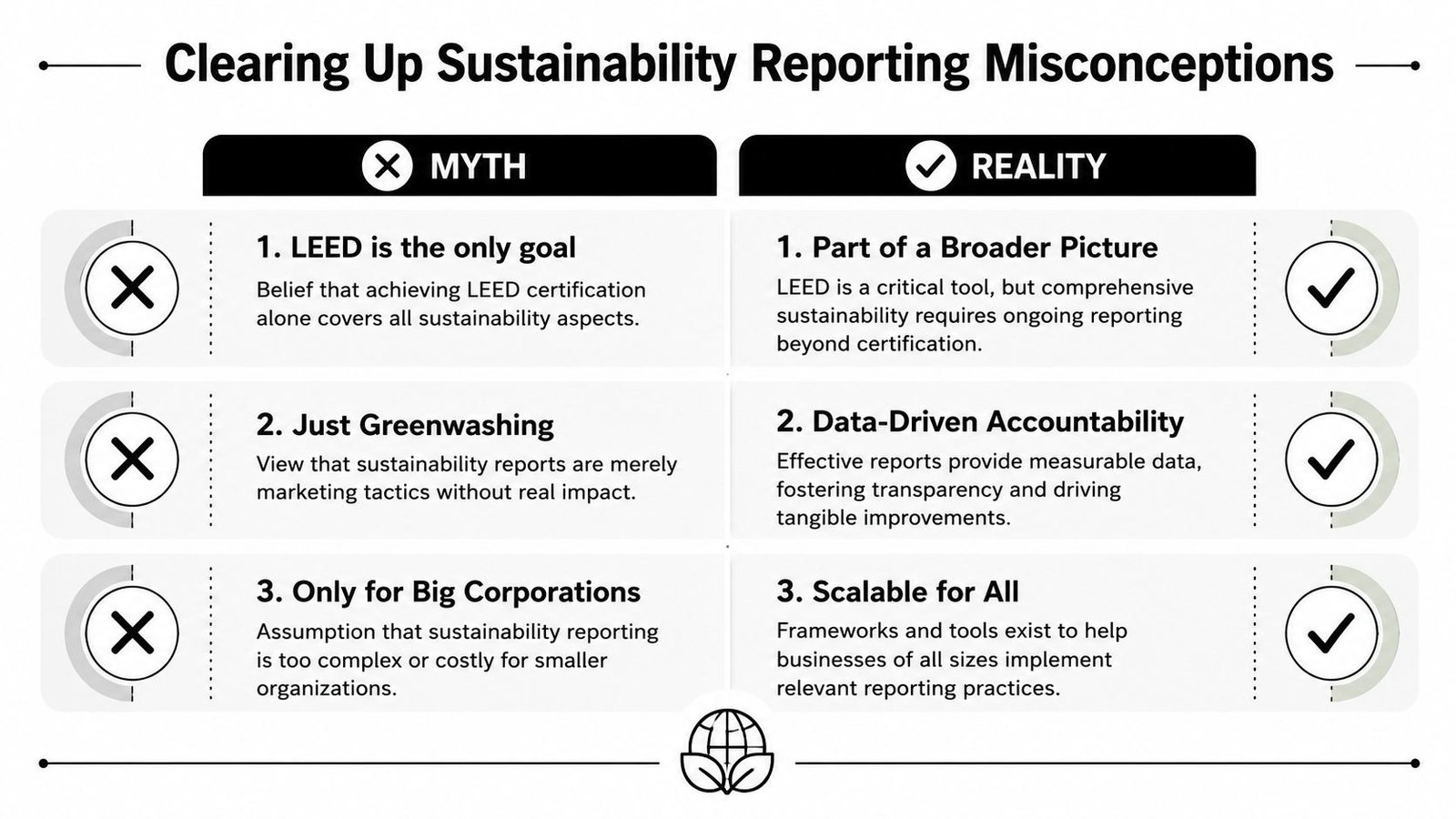
LEED certification equals sustainability reporting
It doesn't. LEED is a project-level certification process. Sustainability reporting is an ongoing disclosure practice that may use LEED-related information as one input.
A certified building can still leave the owner with reporting gaps if the handoff package doesn't include the right operational, quantity, or procurement data. The plaque doesn't replace the reporting workflow.
Meeting ASHRAE 90.1 means the project is sustainable
It doesn't. It means the design met an energy baseline required by the adopted path. That's important, but it's not the same as making a broad sustainability claim.
If a team wants a practical breakdown of the compliance side versus broader performance expectations, this guide to energy code compliance workflows is worth bookmarking.
Compliance is a threshold. Sustainability claims require evidence beyond the threshold.
Sustainability reporting is only for giant corporations
That used to be easier to argue. It's harder now because reporting requirements and owner expectations flow down through portfolios, lenders, procurement processes, and tenant demands. Mid-size institutional and commercial clients increasingly ask for the same project data, even if they don't manage reporting with a large internal team.
There's also a credibility issue. Reporting that stays at the language level and never connects to operations is under more scrutiny. Harvard Law School's analysis has described some disclosures as “rhetorical tools” and referred to a “greenhouse of words without action”, a gap that regulators are watching more closely, as discussed in this Harvard Law School review.
A clean way to keep these distinctions straight is:
| Myth | Reality |
|---|---|
| LEED covers everything | LEED addresses a defined certification scope |
| Code compliance proves sustainability | Code compliance proves minimum conformance |
| Reporting belongs outside the project team | Reporting depends on project-generated data |
That's why RFIs prevention, clear handoff packages, and disciplined BIM QA matter here. The cleaner the production process, the more credible the reporting outcome.
Clarity From Code To Corporate Report
When a client asks for sustainability reporting, the safest response is to separate the layers immediately. ASHRAE 90.1 compliance is the baseline. LEED certification is a project-specific achievement above that baseline. Sustainability reporting is the ongoing disclosure system that may pull data from that project long after certification is complete.
Teams that understand that sequence scope the work better. They assign the right responsibilities earlier. They also avoid the common mistake of treating reporting as a late administrative add-on instead of a data workflow rooted in design production, QA, and closeout discipline.
If you're tightening your internal process, it also helps to study adjacent workflow improvements such as implementing report automation, especially when repeatable reporting packages start showing up across multiple projects.
If the compliance layer is the part you need to sharpen first, start with the energy code side and build upward from there.
If you're sorting out how model standards, QA checkpoints, and documentation workflows support code compliance, certification deliverables, and owner reporting, BIM Heroes has deeper resources on production systems, BIM coordination, and scalable delivery workflows that are built for real project teams, not theory.