Meta description: Common HVAC system design mistakes that hurt energy performance, from oversizing and load calculation errors to duct routing and BIM MEP coordination failures.
Energy problems in HVAC rarely start at startup. They usually start in design.
Improper sizing and duct design are still widespread, even in modern construction. Industry guidance also shows that a large share of residential systems in North America are oversized, and many central air-conditioning units operate at only a fraction of rated capacity. That is not an operations problem first. It is an hvac system design problem first, with field consequences that show up later as comfort complaints, RFIs, change orders, and missed energy targets. The Larimer County HVAC design guidance ties those failures directly to short cycling, uneven temperatures, higher energy bills, and reduced equipment life.
Teams often blame controls, commissioning, or occupant behavior because those are visible at the end. The upstream production failures are less visible. A weak load model, a rushed duct layout, or a late coordination pass can lock bad assumptions into the project before anyone notices. By the time permit comments arrive or the field starts rerouting ductwork around structure, the margin is already under pressure.
Disciplined production separates mature firms from reactive ones at this stage. The technical mistakes matter, but the process behind them matters more.
Introduction Why Your Energy Bills Are High Before Day One
Most buildings don't miss energy expectations because the equipment failed. They miss because the design team handed the field a system that was never fully resolved.
That gap shows up in familiar ways. The energy model assumes one routing path, the coordinated set shows another, and the installed condition ends up with extra elbows, shifted equipment, and compromised access. The engineer expected stable airflow. The contractor inherited static pressure problems. The owner gets high utility bills and assumes the facility team is running the building poorly.
Design waste is usually procedural
In practice, the biggest energy penalties are often tied to production habits:
- Rule-of-thumb sizing: Fast early assumptions stay in the job too long.
- Incomplete model inputs: Envelope, occupancy, and actual use conditions don't make it into calculations.
- Late coordination: Mechanical systems get squeezed after architectural and structural decisions are already fixed.
- Documentation drift: Schedules, details, layouts, and control intent stop matching each other.
Poor energy performance is often baked into the set long before the first air balance report shows a problem.
For firms working under ASHRAE 90.1, Title 24, or owner-driven energy targets, that matters beyond utility cost. It affects code review, redesign effort, trust with the client, and the reliability of your delivery process. Good hvac system design isn't just about selecting equipment. It's about building a workflow that keeps assumptions, geometry, and documentation aligned from concept through coordination.
Mistake 1 Chronically Oversizing HVAC Equipment
Oversizing is one of the fastest ways to lock high operating cost into a project before turnover.
It rarely starts as a technical decision alone. It starts as a process failure. Early rule-of-thumb tonnage gets treated like a design fact. The architectural model shifts. Occupancy assumptions stay vague. Coordination lags. Then the mechanical schedule gets issued before anyone forces a real checkpoint. By the time the team notices the numbers are soft, the equipment pads, feeders, shafts, and ceiling space are already built around the oversized selection.
Why oversized systems perform worse
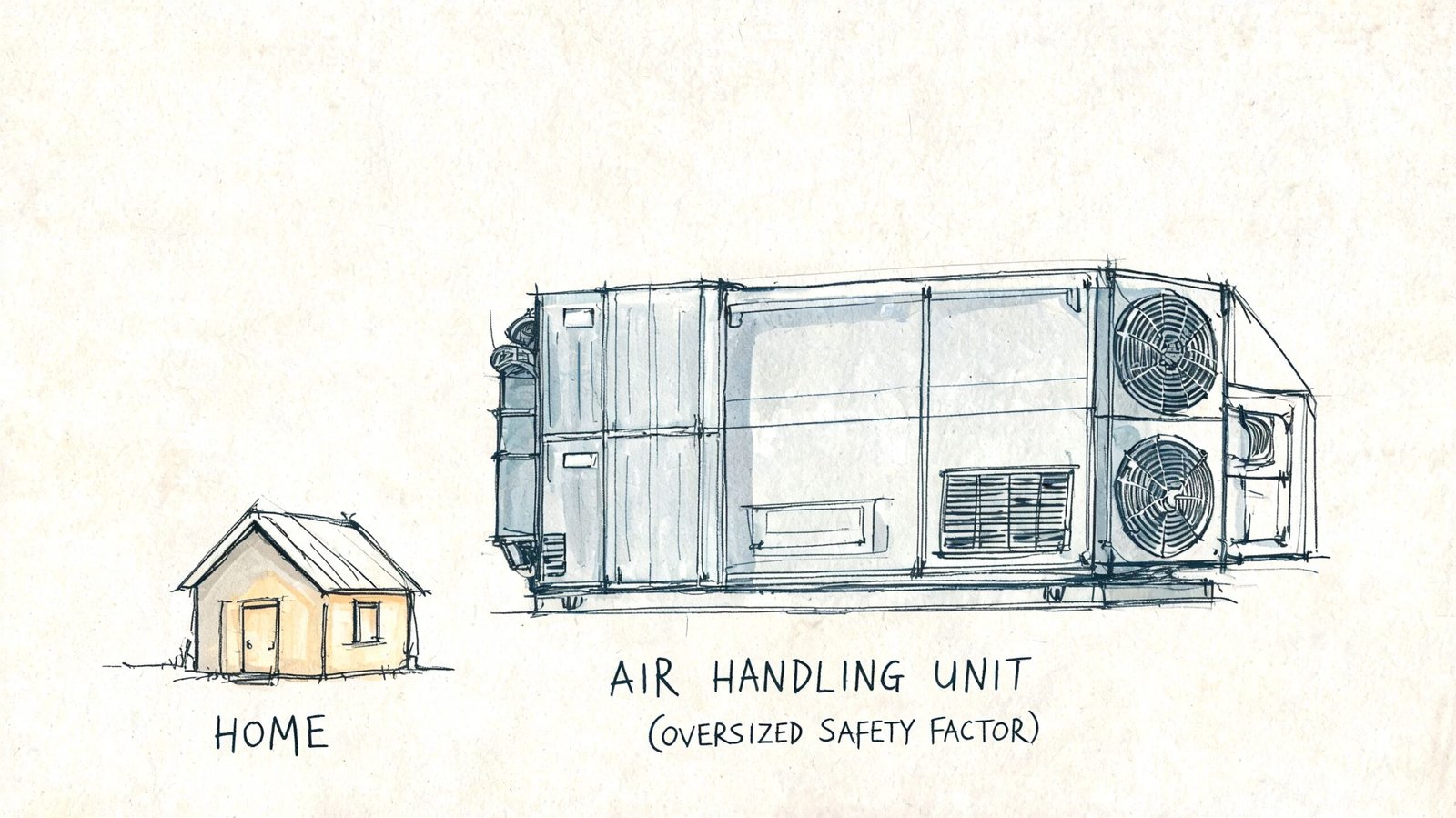
An oversized unit does not buy control margin. It usually creates short cycling, poor latent removal, wider temperature swings, and extra wear on compressors, fans, and contactors. In offices and multifamily work, the complaint often shows up as a cold space with high humidity. In light commercial retrofit jobs, it shows up as equipment that satisfies the thermostat fast and never runs long enough to do the moisture work the building requires.
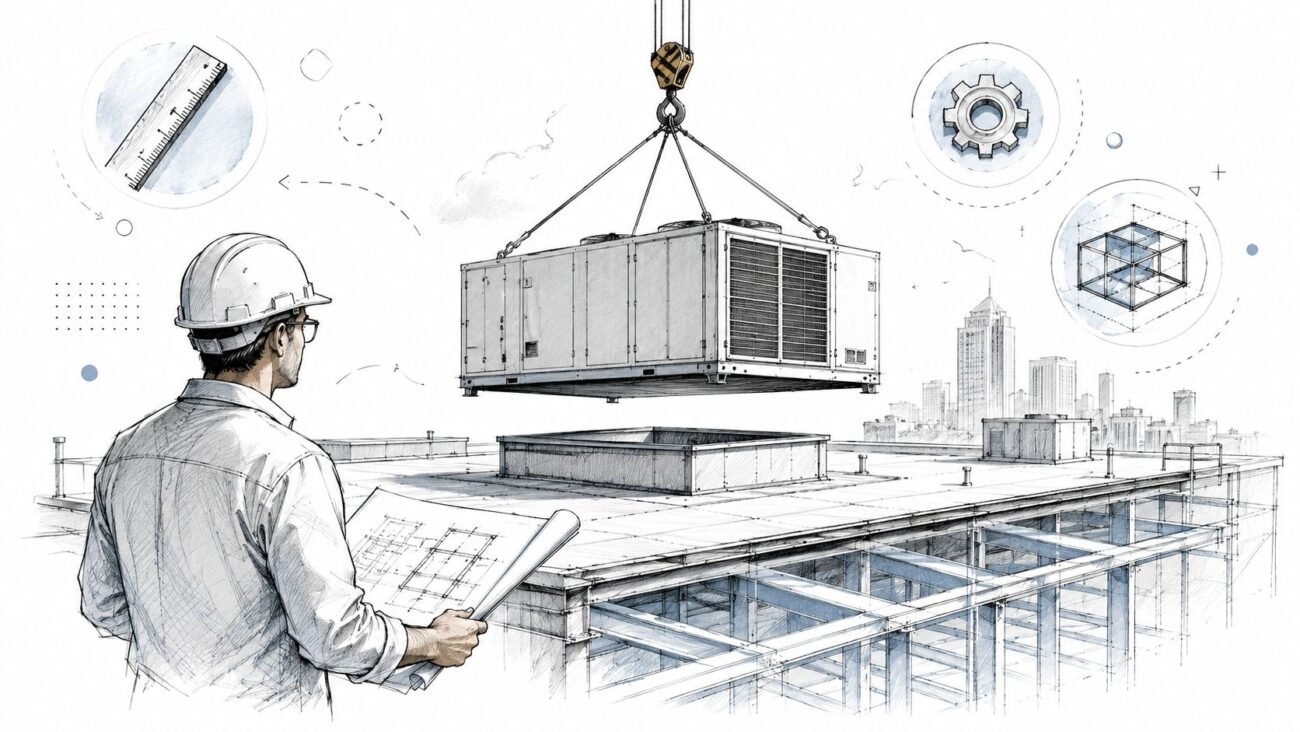
The energy hit is only part of the cost. Bigger equipment drives bigger ducts, larger branches, heavier supports, more electrical capacity, and tighter access conditions above the ceiling. That is where a bad sizing habit turns into RFIs, rework, and margin loss. I have seen plenty of jobs where the first oversizing decision looked harmless on paper, then forced a duct reroute that raised static pressure and pushed fan energy up for the life of the building.
Teams that want to stop this problem need to treat sizing as a controlled production step, not a comfort hedge. That means the basis of design, model geometry, terminal counts, ventilation assumptions, and equipment schedule all need to agree before procurement pressure takes over. If your team is still relying on rough tonnage, use a disciplined HVAC load calculation workflow for coordinated equipment selection before the schedule hardens.
What actually works
The fix is simple, but it requires discipline.
- Freeze the load basis before freezing equipment schedules: Envelope values, occupancy, operating hours, outside air basis, and internal gains need named owners and dated assumptions.
- Carry reserve intentionally: If extra capacity is required for a tenant allowance, process load uncertainty, or future phase, document that reason instead of hiding it inside the unit size.
- Review part-load behavior: Peak load checks are not enough. Sequence of operation, turndown, staging, and humidity performance need review at the same time.
- Tie equipment selection to space claim and routing: If the unit grows, the duct mains, structural openings, access clearances, and electrical service all move with it.
One practical rule has saved more redesign hours than any spreadsheet trick. If the equipment only looks safe because the assumptions are still loose, the design is not safe. It is unfinished.
Oversizing is usually blamed on conservative engineers. That misses the core issue. Chronic oversizing is a coordination culture problem. Firms that control inputs, enforce model checkpoints, and stop schedule drift size closer to the actual load and build projects that perform closer to design intent.
Mistake 2 Shortcutting Critical Load Calculations
Bad sizing usually starts with bad inputs.
A professional load calculation isn't a single number pulled from square footage. It is a chain of decisions about envelope, orientation, glazing, occupancy, internal gains, infiltration, ventilation, and operating assumptions. When teams shortcut that process, they don't just risk the wrong tonnage. They corrupt the entire mechanical layout.
The hidden problem with rough sizing
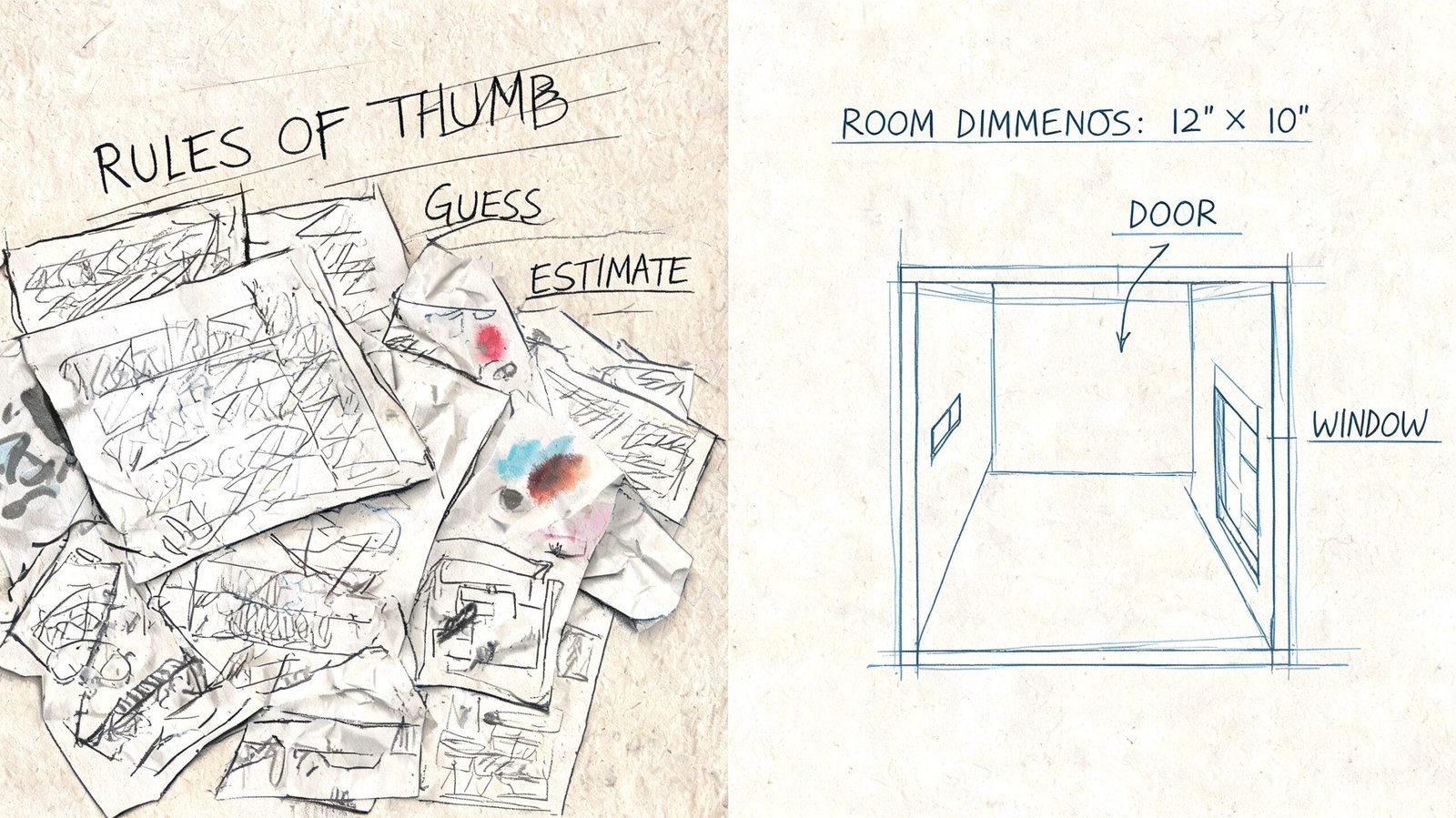
Rough sizing often survives too long because it gets embedded in early decisions. Once equipment is placed, shafts are reserved, and electrical loads are carried forward, teams become reluctant to reopen the math. That is how conceptual placeholders become construction liabilities.
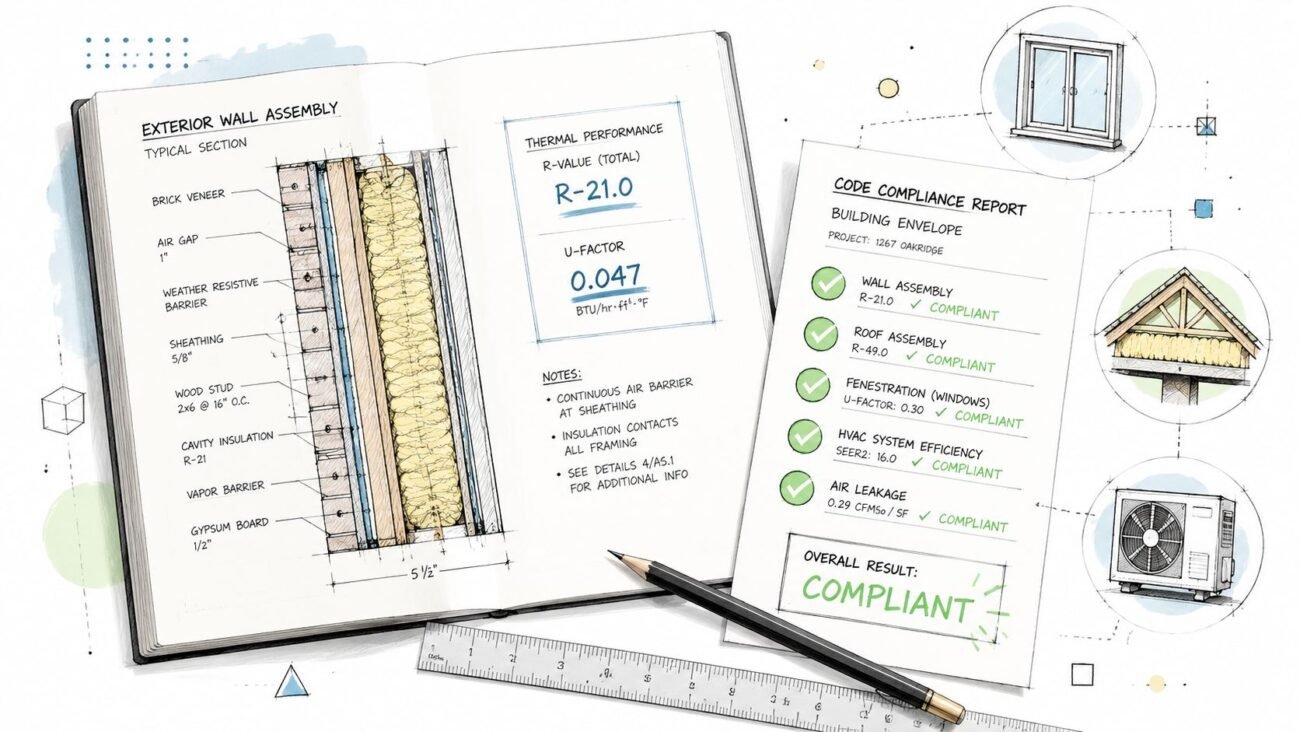
According to ASHRAE-based federal design guidance, poor insulation installation or air leakage can increase calculated heating and cooling loads by 15 to 30 percent, forcing the selection of oversized equipment that then operates inefficiently, as documented in the VA HVAC design manual.
That single fact should change how teams handle design development. If envelope quality and air leakage materially change loads, then mechanical design cannot run on generic assumptions any longer than necessary.
What a mature workflow looks like
In a production-mature environment, the model supports the calculation, and the calculation informs the model. That loop matters.
A disciplined process usually includes:
Early assumption register
Track insulation basis, glazing intent, occupancy expectations, ventilation strategy, and thermostat logic.Model-driven updates
As architectural selections become real, update loads instead of carrying placeholder values.Room-level decisions
Zone by actual use and exposure, not just by floor or tenant boundary.Review before issue
Reconcile schedules, load reports, and layouts so they tell the same story.
For teams refining that process, a dedicated HVAC load calculations workflow helps keep assumptions visible instead of buried in spreadsheets.
A poor load calculation doesn't stay isolated. It drives wrong equipment, wrong airflow, wrong duct sizing, and flawed zoning logic. Once those are in the set, every later fix costs more than doing the calculation correctly in the first place.
Mistake 3 Poor Ductwork Design and Routing
A well-sized unit can still deliver poor HVAC energy performance if the duct system is undisciplined.
Projects often drift from engineering intent into field improvisation. Ducts get longer, fittings get tighter, soffits get crowded, and the balancing contractor inherits a system that was technically drawn but never properly routed.
Where duct systems lose performance
Three failure modes show up repeatedly on real jobs:
- Leakage at joints and connections: Air never reaches the zone it was intended to serve.
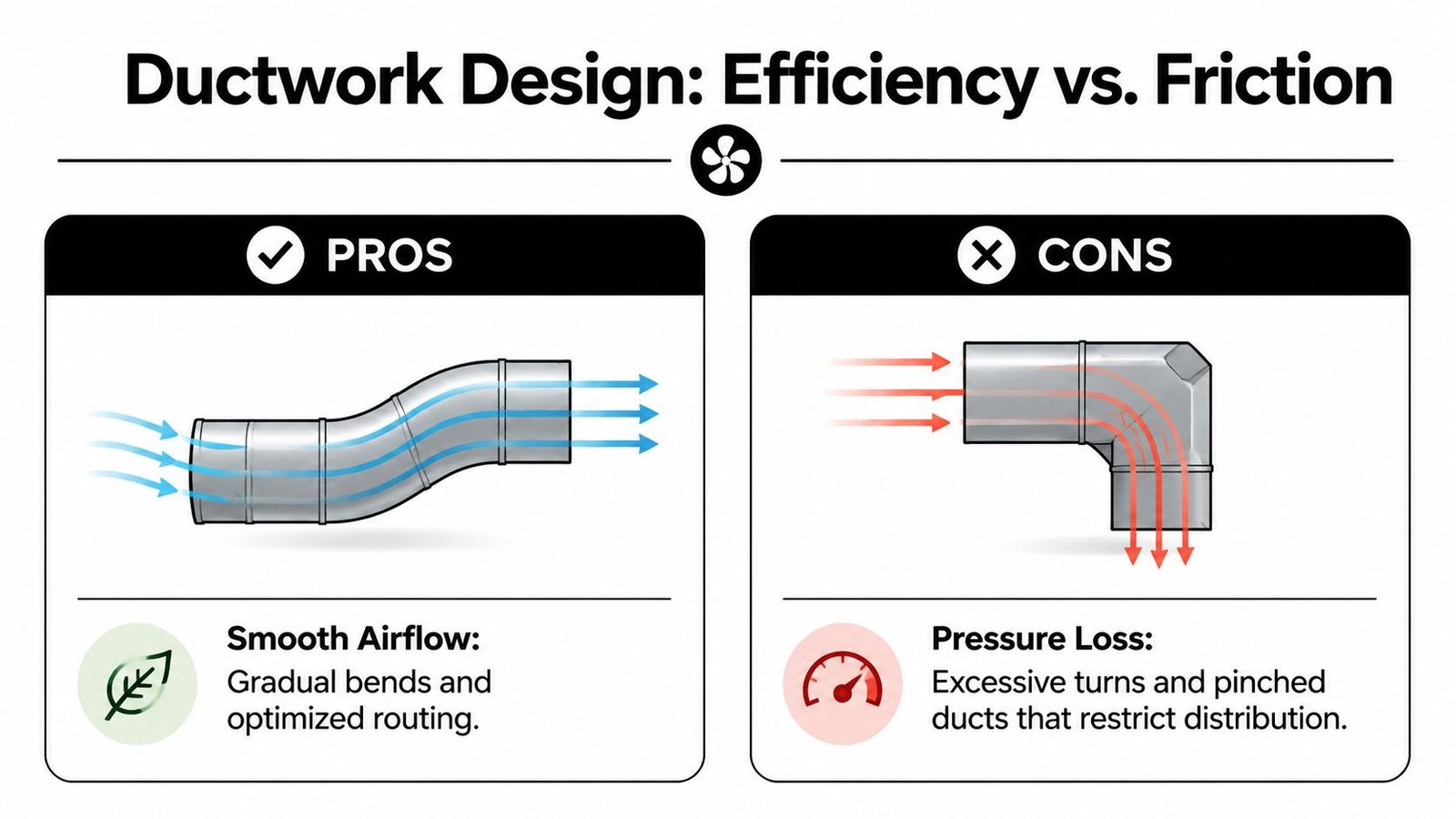
- Excessive pressure drop: Poor routing, abrupt fittings, and constrained ceiling space increase fan energy and reduce delivery quality.
- Heat gain or loss in bad locations: Ducts in unconditioned areas work against the system.
Research on hot-humid housing design shows that moving HVAC systems and ductwork inside conditioned space can save 4 to 5 percent in source energy use versus placing them in attics or crawlspaces, according to the U.S. Department of Energy Building America report.
That finding is practical, not theoretical. If the architecture or planning team locks mechanical distribution into hostile locations early, the mechanical engineer spends the rest of the project mitigating a problem that should have been avoided.
Routing discipline beats field creativity
When ductwork is coordinated late, installers solve geometry in the field. Field crews will make it work. That doesn't mean they'll make it efficient.
A stronger approach includes:
| Issue | What goes wrong | Better decision |
|---|---|---|
| Ceiling congestion | Ducts shift around beams, lights, and piping | Reserve routes early in the coordinated model |
| Abrupt offsets | Added fittings increase resistance | Build gradual transitions and cleaner paths |
| Unresolved access | Dampers and equipment become hard to service | Coordinate maintenance clearance before issue |
| Remote equipment placement | Distribution paths grow unnecessarily | Challenge layout decisions during design, not after framing |
For teams documenting routing with coordination in mind, a detailed HVAC duct layout drawing workflow helps catch these problems before they turn into balancing headaches.
The expensive mistake isn't just bad duct geometry. It's treating ductwork as a drafting output instead of a performance system.
Mistake 4 Ignoring Building Zoning and Occupancy
A building with mixed exposures, variable occupancy, and different operating schedules should not be treated like one thermal bucket.
Yet that still happens. Teams apply broad zones because it simplifies early layouts or keeps controls discussion out of the design meeting. Then the south perimeter overheats, the interior conference rooms swing, and facilities staff start overriding setpoints to calm occupant complaints.
One zone logic fails in real buildings
Different spaces behave differently. Perimeter offices, conference rooms, lobbies, support areas, and back-of-house spaces don't share the same solar exposure, people load, plug load, or runtime pattern. A single-zone mindset usually creates two outcomes at once. Some spaces are over-conditioned, while others never feel right.
That is why zoning is not just a controls topic. It is a load, layout, and coordination topic. Thermostat placement, diffuser strategy, and operating schedules all need to align with how the building is used.
Thermostat location can quietly sabotage a good mechanical concept. A bad sensor location trains the whole system to chase the wrong condition.
Research on nontraditional HVAC approaches notes that design defects from poor load calculations and thermostat placement are common, while the industry remains slow to adopt adaptive thermal comfort principles that require tighter integration between architecture and engineering in BIM, as discussed in Consulting-Specifying Engineer's analysis of nontraditional HVAC systems.
Better zoning decisions come from earlier collaboration
Teams improve zoning when they stop treating it as a late controls layer and start treating it as a design framework.
Consider these checkpoints:
- Use profile-based zoning: Group spaces by use pattern and exposure, not by drawing convenience.
- Review thermostat locations with architecture: Avoid locations near glare, drafts, or atypical heat sources.
- Match terminal strategy to room behavior: A conference room doesn't behave like an open office.
- Coordinate sequence intent early: If occupancy varies, the system should respond to it instead of conditioning empty rooms on the same logic as occupied ones.
Adaptive comfort principles won't fit every project, but the underlying lesson holds across project types. Good zoning starts with observing how the building will operate, then carrying that logic through the model, controls narrative, and equipment layout.
Mistake 5 Mismanaging Ventilation and Air Quality
Ventilation mistakes cut both ways. Under-ventilate and occupants complain. Over-ventilate and the system conditions more outside air than the project really needs.
Both failures show up on real projects because teams often treat outdoor air as either a fixed number or a late controls setting. It isn't. Ventilation sits at the intersection of code compliance, indoor air quality, load calculation, and control strategy.
Under-ventilation and over-ventilation are both expensive
Under-ventilation creates obvious pain first. Stale spaces, odor complaints, moisture issues, and occupant discomfort usually trigger overrides or operational workarounds. Those workarounds often create a second problem, because facility teams compensate by running systems harder or longer than intended.
Over-ventilation is quieter, but it still damages performance. Every extra unit of outside air has to be heated, cooled, dehumidified, or all three. On projects with broad occupancy variation, fixed ventilation strategies often condition empty or lightly used areas as if they were full.
The practical standard
For most commercial work, the baseline question is simple. Does the design align with minimum outdoor air requirements and a realistic occupancy pattern?
A solid approach usually includes:
- Code-grounded minimums: Use ASHRAE Standard 62.1 as the ventilation baseline for commercial applications.
- Demand-controlled ventilation where occupancy swings: CO2-based strategies and related sensing can reduce unnecessary outdoor air intake while protecting indoor air quality.
- Sequence review with the mechanical layout: Outdoor air strategy shouldn't be disconnected from zoning, terminal selection, and equipment placement.
- Commissionable intent: If the sequence can't be tested clearly, it usually won't perform clearly.
Ventilation design fails when the drawings show one occupancy story and the controls sequence assumes another.
This is one of the more common mechanical system design best practices that gets treated as paperwork. It isn't paperwork. It is a direct energy and comfort decision. When the ventilation basis is vague, every later phase inherits uncertainty.
Mistake 6 Lacking Integrated MEP Coordination in BIM
Most MEP coordination errors are not isolated drafting misses. They are evidence that the design process was fragmented.
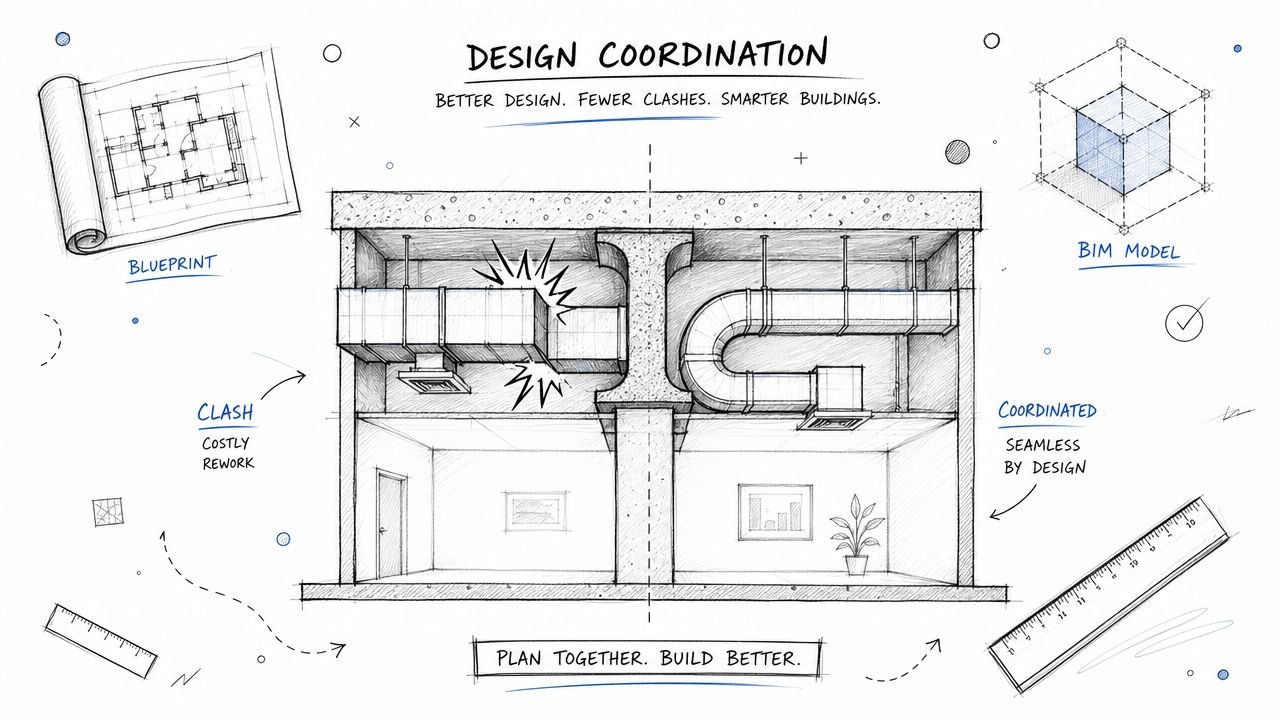
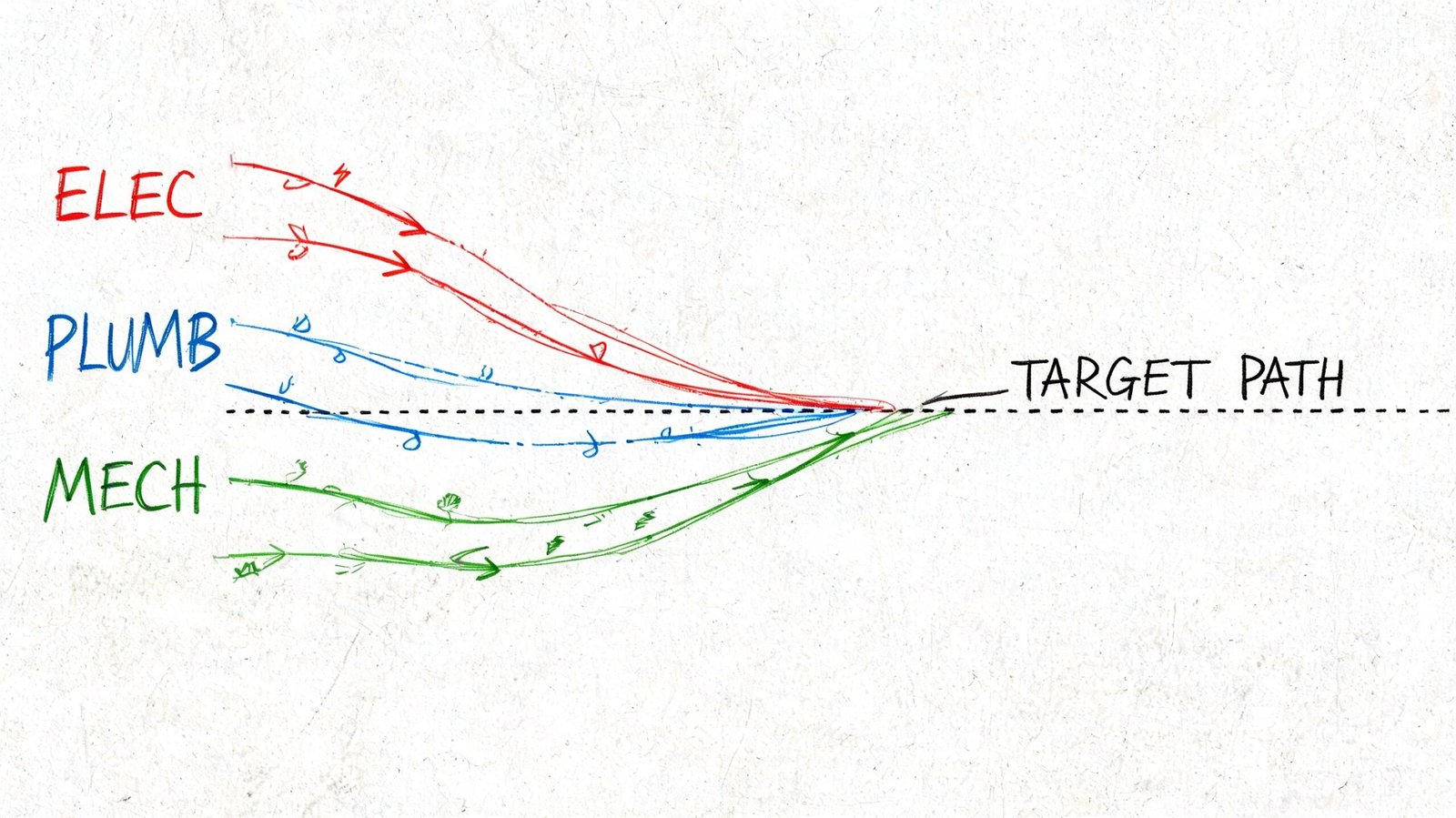
When mechanical, electrical, plumbing, architecture, and structure are developed in parallel but not effectively coordinated, the model stops being a decision tool and becomes a record of unresolved conflict. The field then becomes the coordination platform. That is where energy performance starts slipping away.
What fragmented coordination does to performance
Every uncoordinated shift has a cost:
- Ducts reroute around structure and lighting
- Equipment moves into less effective or less serviceable locations
- Clearances disappear
- Control assumptions stop matching installed reality
- The energy model and as-built condition drift apart
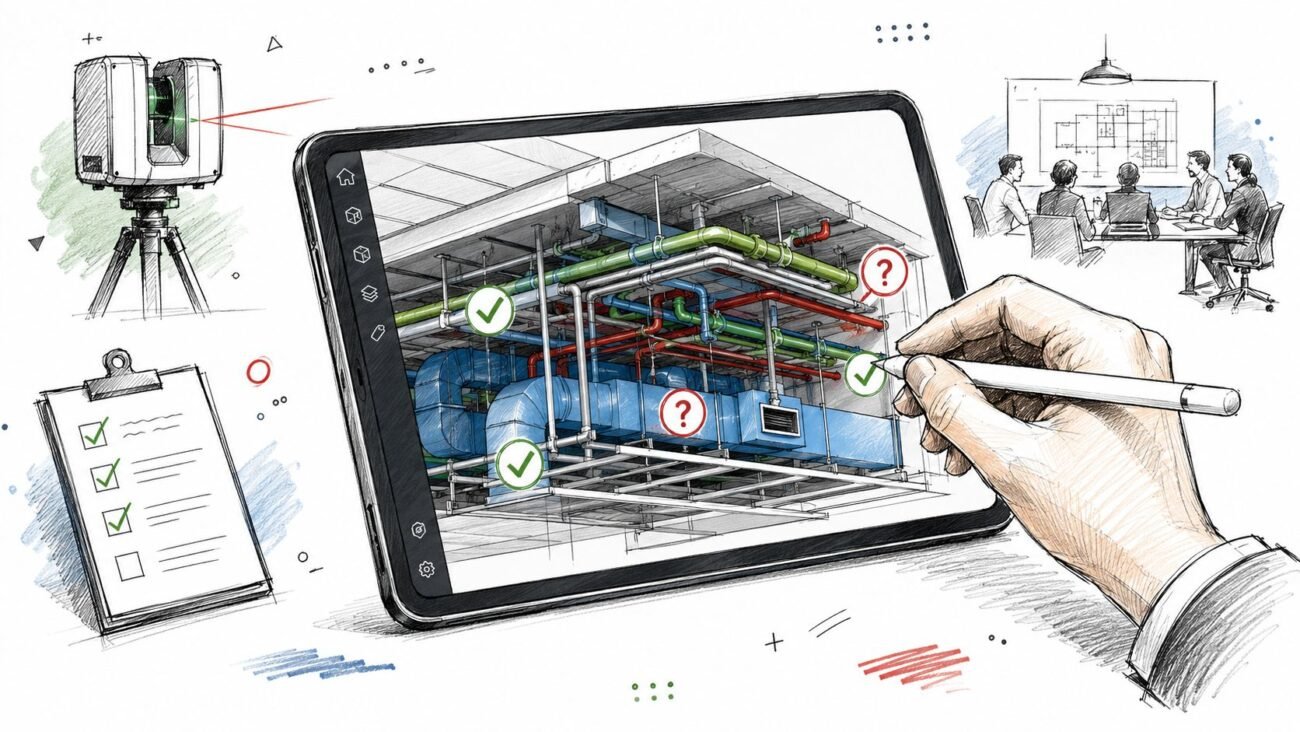
Modern design guides show that detailed HVAC system layouts using BIM at LOD 200 to 350 can reduce on-site clashes by roughly 40 to 60 percent compared with traditional 2D drafting alone, according to this overview of HVAC systems and BIM coordination.
That statistic is useful because it points to the actual value of BIM MEP coordination. Fewer clashes are not the final goal. Fewer clashes mean fewer field workarounds, fewer uncontrolled reroutes, and fewer performance compromises.
Production maturity is the real differentiator
A mature coordination process has recognizable traits:
- Shared model ownership: Disciplines aren't throwing geometry over the wall.
- Decision checkpoints: Major routing, plant location, and ceiling strategy are reviewed before documentation hardens.
- Template discipline: Views, naming, routing conventions, and model standards reduce avoidable variation.
- QA before issue: Teams verify that loads, schedules, and coordinated geometry still agree.
For firms standardizing that process in Revit, an integrated MEP in Revit workflow helps tie geometry, documentation, and coordination together.
The energy target in the report means very little if the field has to redesign the duct path to make the building buildable.
This is the point many teams miss. BIM MEP coordination is not presentation polish. It is a risk-control system for constructability, energy intent, permitting readiness, and margin protection.
Conclusion From Design Intent to Real-World Performance
Most HVAC performance failures aren't mysterious. They are predictable outcomes of avoidable design choices.
Oversized equipment, weak load inputs, poor duct routing, vague zoning, and ventilation missteps all have technical explanations. But the bigger pattern is procedural. Projects underperform when teams let assumptions stay fuzzy, delay coordination, and issue drawings before the design logic is fully reconciled. Better hvac system design comes from disciplined checkpoints, model-based coordination, and QA that catches drift before the field does.
Commissioning closes that loop. It verifies whether the installed system reflects the design intent, not just whether the equipment powers on. Without that final check, teams can still miss the gap between calculated performance and real operation.
The upside is straightforward. These are preventable failures. Firms that tighten their workflows usually get more predictable documentation, fewer RFIs, cleaner permit reviews, and mechanical systems that perform closer to what was promised.
If your team wants coordination-ready HVAC design support that protects margins and reduces downstream surprises, BIM Heroes can help. Reach out if you'd like a clearer production framework, a better BIM coordination process, or a practical review of where your current MEP workflow is creating avoidable risk.
Category: MEP Engineering