Meta description: Learn how the Global delivery center model AEC firms use differs from transactional outsourcing, and how it improves capacity, QA, margin protection, and production predictability for architecture and MEP teams.
A principal at a 20-person architecture firm wins a sizable commercial project while the current backlog is already full. The work is good. The client is worth keeping. The schedule is tight. The internal question arrives fast: how do we add production capacity without creating a staffing mess six months from now?
Most firms cycle through the same three options. Hire full-time staff and hope the pipeline stays full long enough to justify the overhead. Bring in local contract help at a premium and spend valuable PM time re-explaining standards. Or push the existing team harder and accept that quality, morale, and schedule control will suffer.
There’s a fourth option that more firms should understand clearly. It’s the global delivery center model AEC firms can use to add structured production capacity without treating outsourcing like a one-off vendor transaction.
The phrase “global center for development” usually brings to mind policy institutions, not drawing production. For example, the Center for Global Development was founded in 2001 to research international development policy. That kind of organization studies broad economic systems. AEC firms need something more operational. They need a model that turns capacity into a managed production system.
The Production Capacity Trap for Growing Firms
A growing firm rarely fails because it lacks opportunity. More often, it struggles because it can’t convert demand into deliverables with enough consistency.
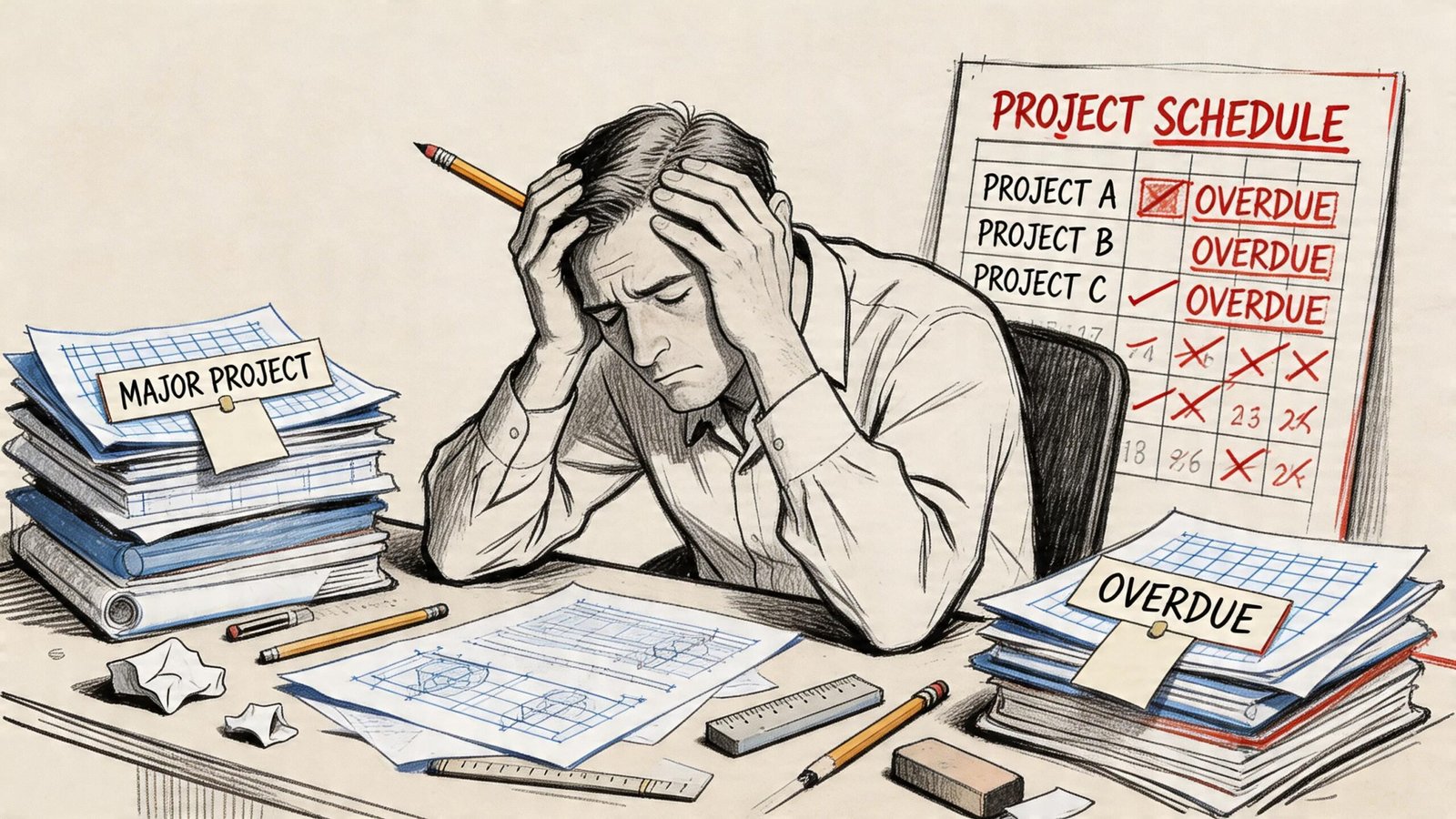
The familiar six-month squeeze
A firm lands a major project. It doesn’t need permanent expansion across every function. It needs reliable production throughput for a defined period. Usually that means CDs, model progression, sheet setup, redline incorporation, permit prep, and coordination support.
That’s where conventional staffing breaks down. Full-time hiring is slow and carries risk after the peak workload passes. Freelancers can help, but they often arrive without context, template discipline, or familiarity with your Revit standards. Internal teams can absorb some of the load, but sustained overextension always shows up somewhere. Missed coordination. Incomplete annotations. Poorly sequenced revisions. RFIs that could have been prevented.
The problem isn’t just labor capacity. It’s the lack of a production system that can expand without becoming chaotic.
Why firms need a different model
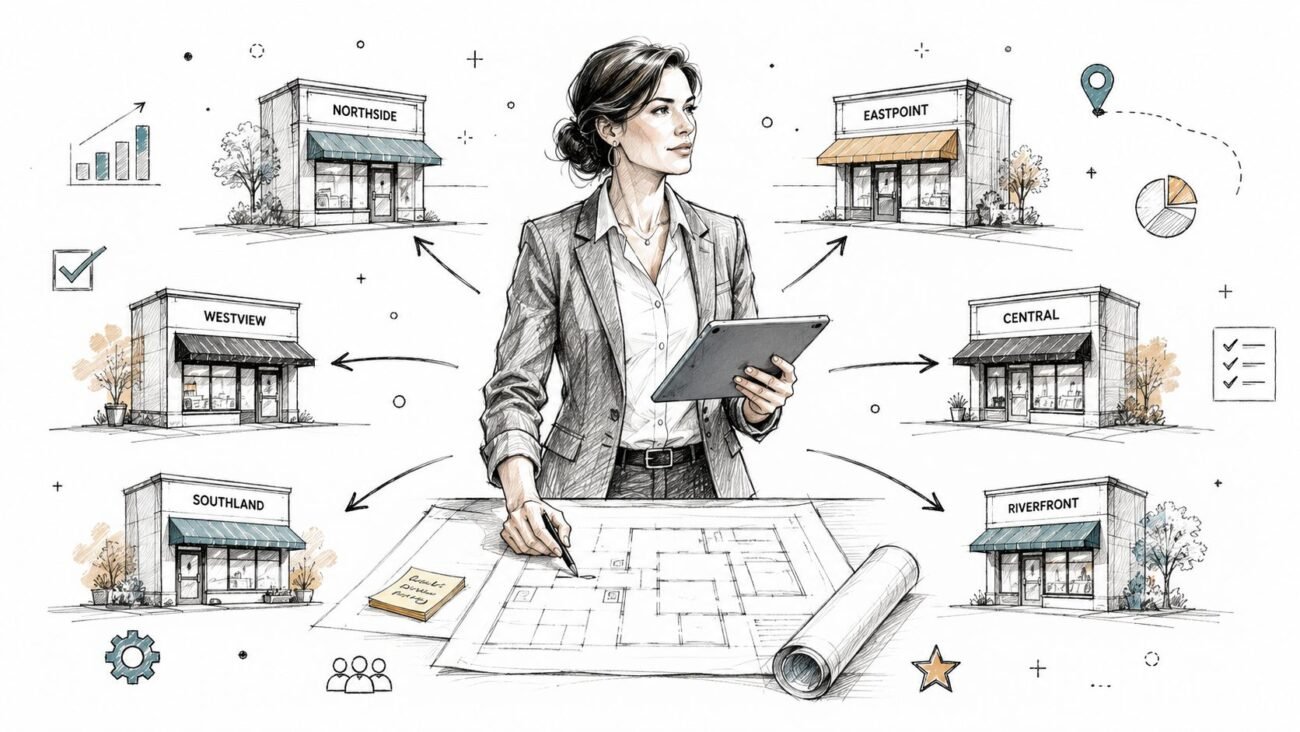
The Global Delivery Center idea comes into play. In AEC, a GDC isn’t just offshore help. It’s a structured production extension built around repeatable workflows, dedicated people, and defined accountability.
The distinction matters because most principals have seen the bad version of outsourcing. Someone sends PDFs and markups to a low-context vendor. Files come back misaligned with office standards. PMs spend more time fixing than delegating. That isn’t a capacity model. That’s rework with an invoice attached.
A real GDC works differently. It’s built to absorb production load while protecting standards, review rhythm, and delivery predictability. If you care about margin, this is the only version worth discussing.
Why Traditional AEC Staffing Models Are Failing
The staffing problem in AEC isn’t temporary. It’s structural.
Pressure shows up even in strong markets
The broader economic environment matters because firms don’t hire in isolation. The Center for Global Development’s Commitment to Development Index shows the USA ranked 27th with a score of 4.92 out of 10 in 2023, a reminder that even large economies operate under internal and external pressures that affect domestic industries. In practice, AEC firms feel that pressure through labor competition, rising operating costs, and harder choices about how to scale delivery.
That pressure lands hardest on small-to-mid-sized firms. Large firms can spread hiring risk across more projects and studios. A 10-person, 20-person, or 40-person practice usually can’t. One bad hiring decision or one underutilized role can distort overhead quickly.
The feast-or-famine staffing pattern
AEC workload rarely arrives in a straight line. It comes in bursts. Two projects hit DD at once. A permit package gets accelerated. A consultant slips. A client moves up a deadline. Then a month later, the same team is lighter than expected.
That creates a predictable problem:
- If you overhire, payroll remains fixed even when active production demand drops.
- If you underhire, PMs and senior staff get pulled back into drafting and sheet cleanup.
- If you rely on ad hoc freelancers, every new engagement restarts the learning curve.
None of those paths is operationally clean.
Local hiring often solves the wrong problem
A firm usually says it needs “more people.” What it often needs is more production stability. Those are not the same thing.
Hiring in-house gives you access to a person. It doesn’t automatically give you a managed workflow, QA structure, revision discipline, or scalable delivery pod. If your internal systems are already stretched, adding more individuals can increase management drag rather than reduce it.
For firms exploring architectural production outsourcing options, this is the key decision point. Don’t compare outsourcing only against salary. Compare it against the total operating burden of recruiting, onboarding, supervision, utilization risk, and quality inconsistency.
Operational rule: If senior staff still spend too much time fixing sheets, chasing standards, and rechecking redlines, you don’t have a staffing problem alone. You have a production model problem.
Where conventional staffing breaks in practice
A traditional model tends to fail in three places:
| Pressure point | What firms expect | What actually happens |
|---|---|---|
| Hiring | Add capacity quickly | Recruiting and onboarding take longer than the project spike |
| Contract support | Immediate flexible help | Output quality varies and standards transfer is weak |
| Internal overtime | Short-term schedule recovery | Team fatigue creates documentation errors and review bottlenecks |
This is why more firms are reconsidering the old offshore vs in-house architectural production debate. The right comparison isn’t “local good, offshore risky.” Instead, the comparison is unstructured support versus structured delivery.
What Is a Global Delivery Center and What It Is Not
The term gets misused. That creates confusion.
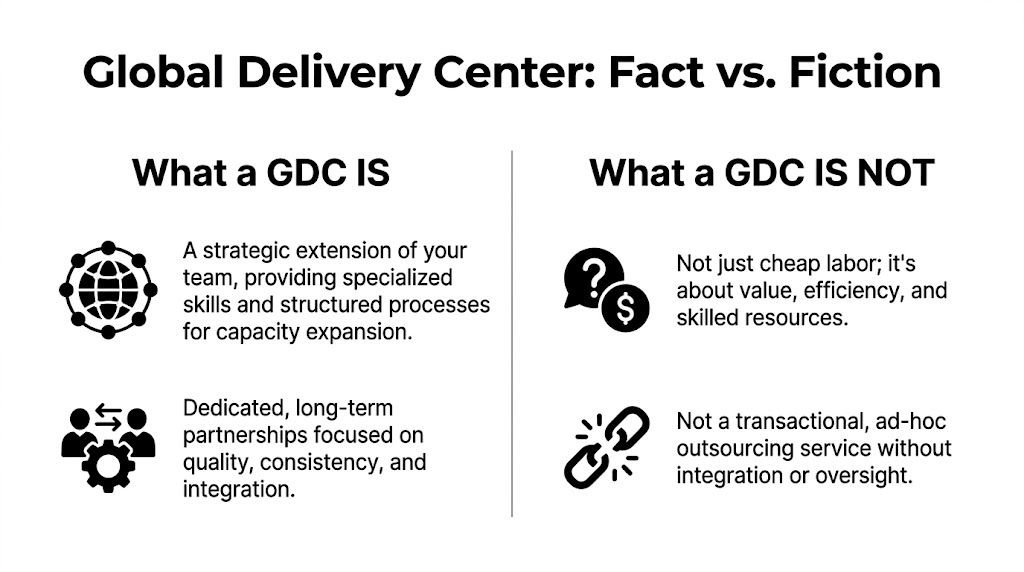
What a GDC is
A Global Delivery Center is a dedicated remote production function that operates as an extension of the firm’s existing delivery system. It is not parallel to your workflow. It is built inside it.
The practical markers are straightforward:
- Dedicated team continuity means the same people stay on your account long enough to learn your standards, title blocks, naming conventions, annotation habits, QA expectations, and sheet logic.
- Embedded workflow use means the team works in your actual environment, such as Revit, Bluebeam, Autodesk Construction Cloud, BIM 360, or your shared file and markup system.
- Direct coordination paths mean PMs and production leads communicate directly instead of routing every question through an account middle layer.
- Defined scope ownership means the partner is responsible for specific production outputs, internal checks, revision cycles, and handoff discipline.
That’s why the GDC model is fundamentally different from random task delegation. It accumulates institutional knowledge over time. That knowledge is where speed and predictability come from.
What a GDC is not
A GDC is not a staffing agency that places individual contractors under your management.
It is not a low-context drafting vendor that bids on one-off packages.
It is not a design authority. The architect of record or engineer of record still owns judgment, code interpretation, client communication, and stamp responsibility.
That distinction matters because firms often reject “outsourcing” based on experiences that had none of the conditions required for success. No continuity. No standards integration. No direct communication. No real accountability.
Good offshore BIM production for architecture firms depends less on geography than on operating structure.
Why the distinction matters now
Policy organizations often discuss development at the macro level while overlooking execution systems. A CGD publication notes growing attention on middle-income countries, and related commentary highlights that CGD research doesn’t address how US-based AEC outsourcing of BIM could help accelerate infrastructure delivery in those markets. That gap is useful because it exposes the practical reality. Strategy means little if the production engine underneath it is weak.
For AEC firms, the same logic applies internally. You can have strong business development, good clients, and solid design leadership. If your production capacity remains fragile, growth will feel unstable.
A simple comparison
Here’s the cleanest way to separate a GDC from conventional outsourcing:
Transactional outsourcing buys isolated output.
A GDC builds a repeatable delivery capability.
Transactional outsourcing restarts the learning curve on each job.
A GDC compounds familiarity with your standards.
Transactional outsourcing creates handoff friction.
A GDC reduces translation because the team works inside your system.
For principals evaluating an AEC outsourcing model, this is the core mental shift. Don’t ask whether offshore support can produce drawings. Ask whether the partner can function as a disciplined production unit inside your operating model.
How the GDC Model Works in Practice
A strong GDC engagement feels less like outsourcing and more like production operations with distance removed as a variable.
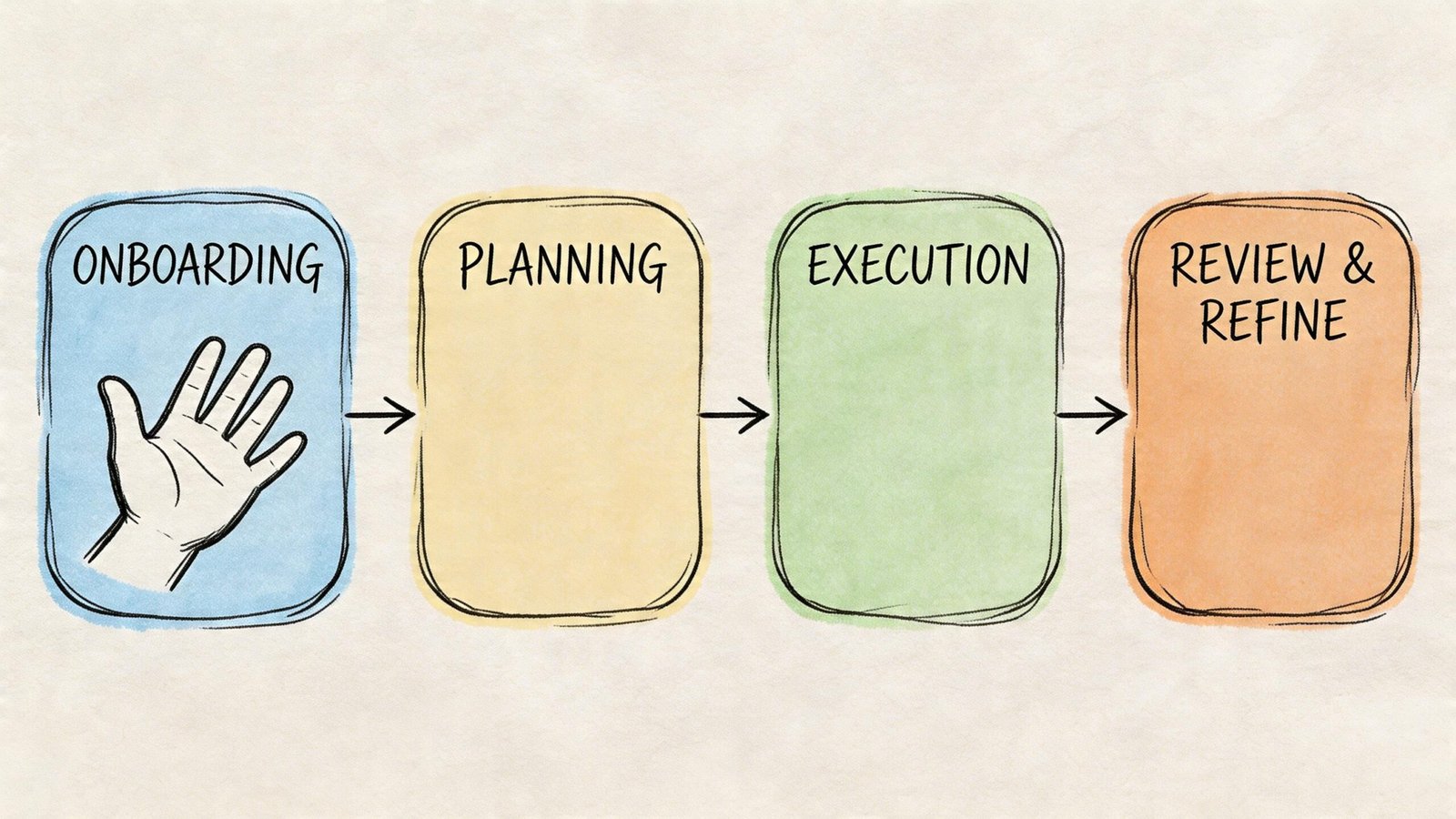
Onboarding and calibration
The first phase is not about volume. It’s about calibration.
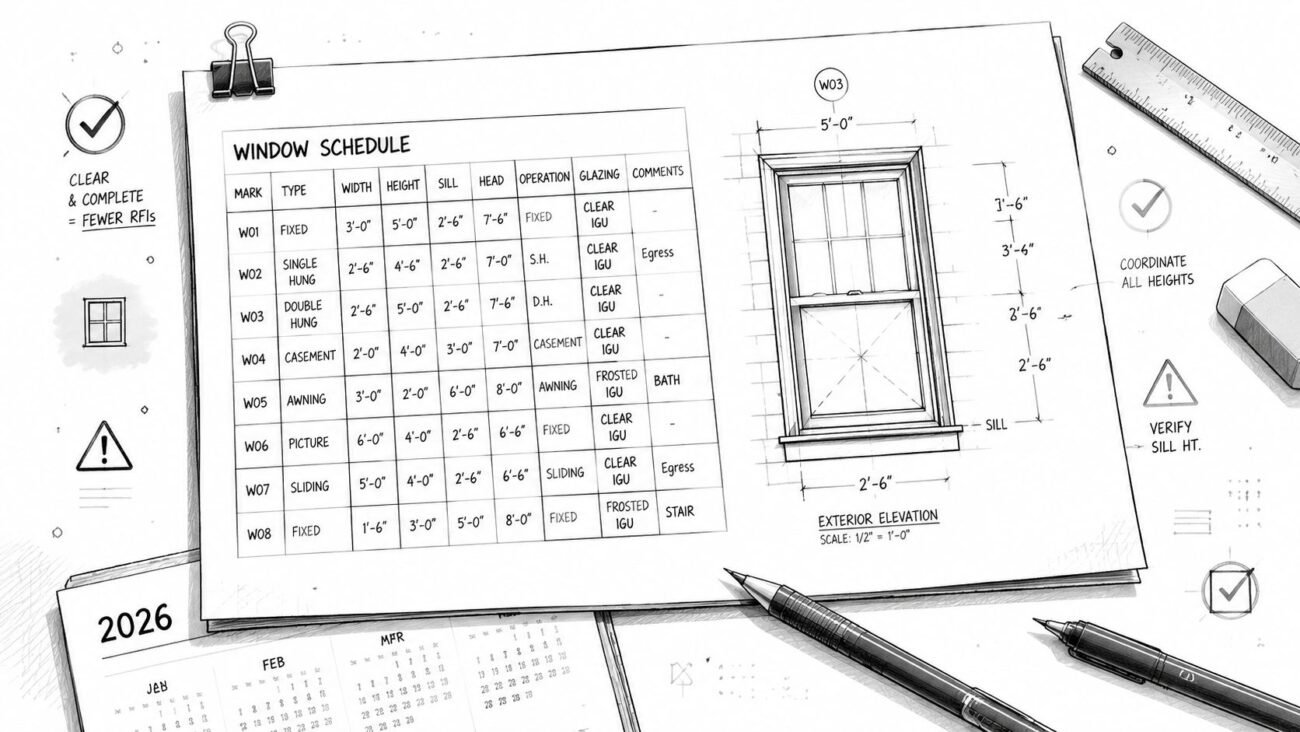
The partner learns your office standards, Revit template setup, sheet structure, title block use, view naming, annotation preferences, detail referencing habits, and revision expectations. This stage usually works best when firms start with a contained scope, such as a permit subset, model development package, or redline-heavy documentation set.
A useful onboarding package often includes:
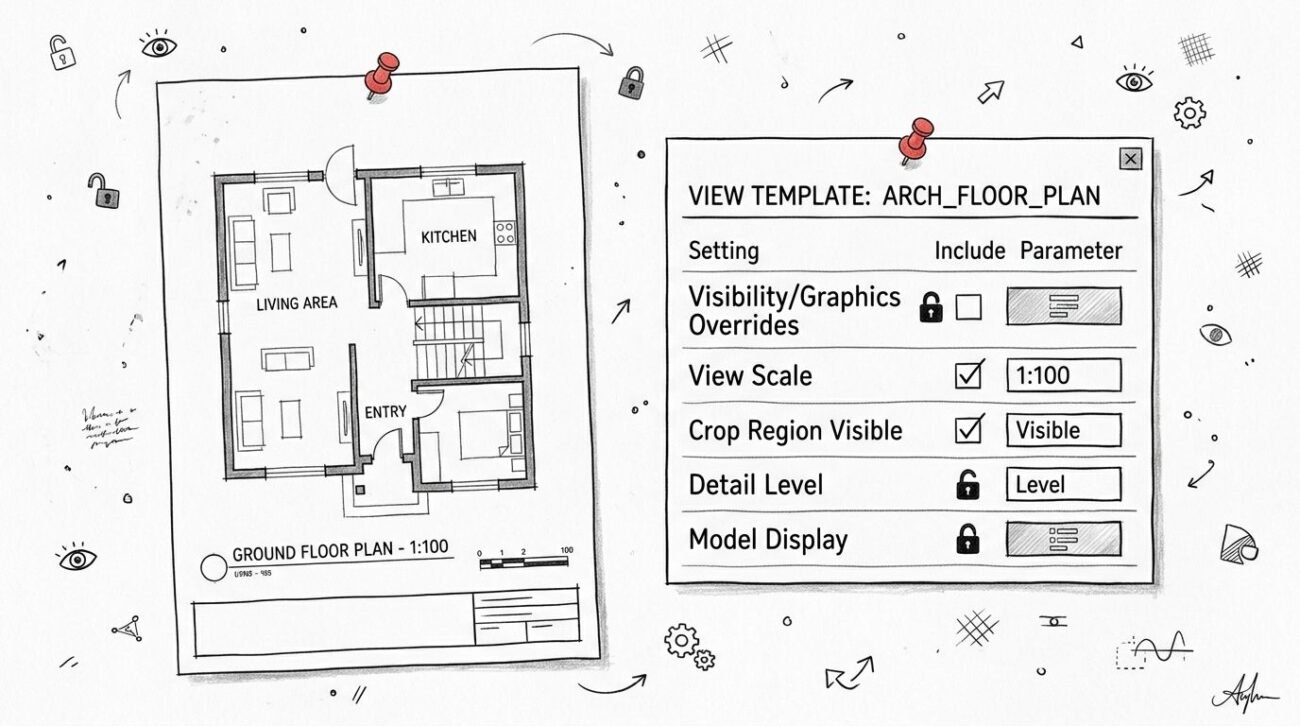
- Template files with approved view settings, browser organization, and sheet parameters
- A marked-up sample set that shows what “good” looks like in your office
- QA checklists used internally for sheet coordination and drawing completeness
- Communication rules for how markups, questions, and review comments should be handled
This phase matters because many failed outsourcing relationships skip it. They assume production talent can infer office standards from incomplete examples. That assumption creates rework immediately.
The active production rhythm
Once calibration is done, the work settles into a repeatable cycle.
Internal PMs or project architects issue markups, task bundles, or scope packets. The GDC team develops drawings, updates models, incorporates redlines, and returns reviewed output in the agreed format. Depending on the firm’s setup, communication may run through Slack, Microsoft Teams, email, Bluebeam Sessions, or Autodesk Construction Cloud issue tracking.
A good rhythm usually includes:
| Cadence | What happens |
|---|---|
| Daily sync | Clarify priorities, blockers, and handoff timing |
| Production window | Team executes drafting, modeling, coordination, and revisions |
| Internal QC | Partner checks standards, consistency, and completeness before return |
| Client review | PM or lead reviews output and issues next-round direction |
The point is not complexity. The point is repeatability.
Field-tested rule: If markups are vague, the GDC won’t save you. If markups are structured, a good GDC amplifies your team fast.
Scaling without fixed headcount strain
The model yields financial benefits. When a project spikes, the partner adds capacity through people already familiar with your environment or through a delivery lead who can extend the pod without resetting everything from zero.
When the load drops, the firm scales back without carrying underused payroll, layoffs, or idle internal capacity. That elasticity is one of the biggest reasons the BIM global delivery center approach works better than episodic contract staffing for recurring production demand.
The key is that scaling should happen within standards, not outside them. If adding people reduces consistency, the model isn’t mature enough.
Quality control that happens before handoff
The difference between a serious delivery partner and a simple production vendor usually shows up in QA.
A real GDC checks for sheet coordination, annotation completeness, view placement issues, family consistency, dimension logic, naming discipline, and model cleanliness before sending files back. It doesn’t just wait for the client team to discover mistakes.
Typical internal QC may include:
- Drawing review for notation consistency, callout references, and sheet alignment
- Model review for warnings, view duplication habits, and element organization
- Revision verification so redlines are fully addressed before return
- Package checks to make sure deliverables match the agreed file structure
That internal filter protects the client firm’s reviewers from becoming first-pass checkers. Senior staff should spend review time on professional judgment and project intent, not obvious production cleanup.
The Strategic Division of Labor with a GDC Partner
One of the best uses of a GDC is not “send everything.” It’s sending the right work.
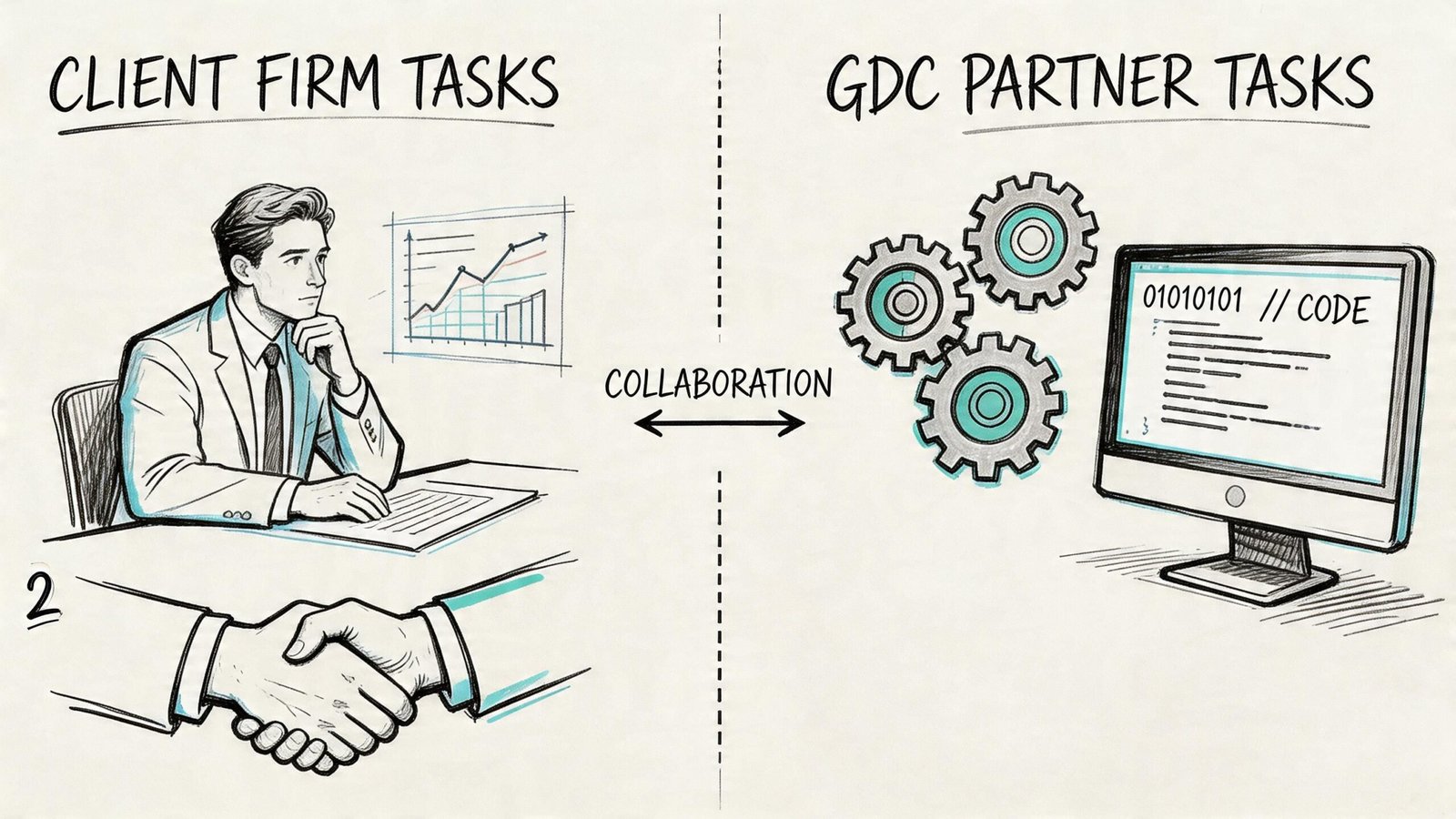
Work that fits a GDC well
A GDC is strongest when the work requires skilled execution, documentation discipline, and repeatable throughput.
That often includes:
- Construction document production such as plans, elevations, sections, details, schedules, and sheet packaging
- BIM model development from design intent sketches, markups, backgrounds, or partial DD information
- Revit family creation and library management tied to office standards
- Permit set assembly including title sheets, life safety graphics provided by the lead team, general organization, and redline incorporation
- MEP coordination support such as routing backgrounds, clash review prep, and documentation updates
- As-built updates based on field markups or verified revisions
- Rendering and visualization support when scope, output expectations, and level of detail are clearly defined
Work that should remain in-house
The division is just as important on the other side. Certain responsibilities belong with the client-facing licensed team and should stay there.
Keep these functions in-house:
- Design concept and design intent
- Client communication and relationship management
- Code interpretation that requires professional judgment
- Architect or engineer of record review and final approval
- Stamp responsibility
- Construction administration and field decision-making
This split is healthy. It lets principals and senior staff stay where they add the most value, while a dedicated offshore team architecture model handles production-heavy execution work that often clogs up internal bandwidth.
When firms say they need more architects, they often mean they need fewer architects spending their week on repetitive production tasks.
The real benefit of the split
The practical gain is focus. Designers keep ownership of intent. Project managers keep ownership of client outcomes. Production specialists keep drawings moving.
That’s a far better operating structure than asking one overstretched internal team to do all three at once.
The Time Zone Advantage A 24-Hour Production Cycle
The time zone difference is often treated as a liability by firms that haven’t used it well. In practice, it can be one of the clearest operational benefits of an India-based GDC.
US teams can issue markups late in their day. The GDC team picks them up during its workday and pushes production forward while the US office is offline. The next morning, updated drawings or model changes are ready for review. That creates a practical 24-hour production cycle without asking the US team to work nights.
The overlap window still matters. You need enough shared hours for kickoff calls, issue resolution, and quick clarifications. In most real engagements, that overlap is sufficient for daily coordination if both sides are disciplined.
This only works when communication is structured. Loose emails and scattered comments create delay. Clear task bundles, marked PDFs, issue logs, and named decision owners make the time zone spread useful instead of frustrating.
A lot of firms discover that the handoff rhythm improves internal discipline too. PMs become more explicit. Redlines get cleaner. Decision checkpoints become more intentional. That alone can improve throughput.
How to Evaluate and Select the Right GDC Partner
Most firms don’t need more vendor pitches. They need a filter that separates a true delivery partner from a low-accountability production shop.
Questions that reveal the model
Start with continuity. Ask whether the same team members will stay assigned to your account over time. If the answer points to a pooled resource model, expect repeated re-explanation and weak institutional knowledge.
Then go deeper on technical fit:
- Ask for relevant work examples at the level of documentation you need
- Review standards alignment by discussing template use, naming discipline, annotation logic, and redline management
- Clarify the communication path so you know who receives markups, who resolves blockers, and who owns daily coordination
- Inspect the QC method and ask whether review is checklist-driven, lead-reviewed, or informal
If you’re comparing providers for architecture outsourcing services, don’t let generic portfolio images carry the decision. Attractive visuals don’t tell you whether a team can maintain sheet consistency under deadline pressure.
Look beyond labor and ask about operational maturity
A capable partner should also understand external delivery risk, not just drawing production. The ND-GAIN Country Index uses 74 data sources to assess climate vulnerability and readiness. You don’t need your production partner to be a policy analyst, but you do want a team that understands global operating conditions can affect continuity, infrastructure, supply chains, and long-term delivery resilience.
A practical evaluation checklist looks like this:
| Evaluation area | Strong sign | Warning sign |
|---|---|---|
| Team structure | Dedicated account team | Rotating shared labor pool |
| Workflow integration | Works in your systems and templates | Uses disconnected parallel processes |
| Communication | Direct lead access and clear response path | Account-manager-only relay model |
| QA | Defined internal review before handoff | “Client will review everything” |
| US project familiarity | Understands documentation standards and review expectations | Needs constant translation of basics |
Ask one blunt question
Ask this: What happens when my PM sends a messy markup set at the end of a bad day?
The answer tells you almost everything. Mature partners talk about clarification logs, issue prioritization, assumptions management, and QA gates. Weak vendors talk about “doing their best.”
Is the GDC Model Right for Your AEC Firm?
Not every firm should use this model.
The best fit is usually a firm with recurring production demand, multiple active projects, and enough internal structure to define standards clearly. In practice, that often means firms in the 5 to 50 person range that regularly produce permit sets, coordination packages, and CD work with some volume rhythm.
Strong fit indicators
You’re likely a good fit if several of these are true:
- Your team hits recurring production bottlenecks around DD, CDs, or permit deadlines
- Senior staff spend too much time in document cleanup
- Your standards are established enough to teach
- You need flexibility without turning each project spike into a hiring cycle
- You want continuity, not random project-by-project outsourcing
Cases where it may not work well
A GDC is less effective when the firm has highly sporadic work, no defined standards, or too little recurring volume to justify onboarding and continuity. Very small firms can still use outside production support, but they may be better served by narrower project-based help rather than a structured architectural production outsourcing US model.
It also won’t fix internal confusion by itself. If no one can explain your office standard, no remote team can consistently apply it. A GDC amplifies process maturity. It doesn’t replace it.
The model works best when the firm already knows how it wants work delivered and needs a stronger engine to deliver it consistently.
Decouple Your Capacity from Headcount
The primary value of the Global delivery center model AEC firms use well is simple. It lets the firm separate production capacity from fixed payroll growth.
That changes the business conversation. Instead of asking, “Should we hire now and hope utilization stays high?” the firm can ask, “What level of production capacity do we need, how predictable does it need to be, and what structure protects margin while keeping quality under control?”
That’s a better question because it gets closer to how firms make money. Not through headcount alone. Through consistent delivery, less rework, cleaner handoffs, and better use of senior time.
A good GDC is not a shortcut. It is not a bargain bin staffing alternative. It is a production model. When it is set up correctly, it improves throughput, strengthens QA discipline, supports BIM workflows, and gives principals more confidence that growth won’t immediately turn into operational strain.
If your team is weighing offshore BIM production for architecture firms against local hiring, or comparing an AEC outsourcing model against more internal staffing, evaluate the structure first. The quality of the model will matter more than the label attached to it.
Firms that need flexible drafting and production support can also review how outsourced CAD drafting services fit into a broader delivery strategy, especially when CAD-to-BIM evolution is part of the workload mix.
If your firm is trying to protect margin, add capacity, and make production more predictable, BIM Heroes is worth a closer look. They work as a dedicated production partner for US AEC teams, with a delivery model built around BIM workflows, documentation standards, QA discipline, and direct coordination. If you want a practical way to assess fit, ask for a scope conversation and review your current production bottlenecks, decision checkpoints, and handoff process before you decide anything.