A mid-sized architecture firm sends a multi-family set into review thinking the queue is the problem. They hire a permit expediter, the package goes in on time, and the status updates look clean. Then the first round comes back with a stack of corrections, missing egress detail, MEP conflicts, accessibility notes, and a few sheet-to-sheet mismatches that should've been caught before submittal. The expediter didn't fail. The drawing set did.
That's the part many teams miss when they search for permit expediting services. The submission can be perfectly routed and still get bounced if the CD set isn't coordinated, complete, and easy for a reviewer to trust. BIM Heroes doesn't act as a submission liaison or run city hall logistics, and that's the point. The value is upstream, in the production discipline that reduces the reasons plan reviewers send the package back in the first place.
When the Expediter Cannot Save the Submission
The easiest way to understand the boundary is to look at what happened in the field. A firm pushes a multi-family permit package through with outside help, expecting the review cycle to move faster because the paperwork is in order and the correct department received it. The application is logged properly, the expediter keeps it moving, and nothing gets lost in the system. Then the first review comes back with coordination issues that have nothing to do with intake.
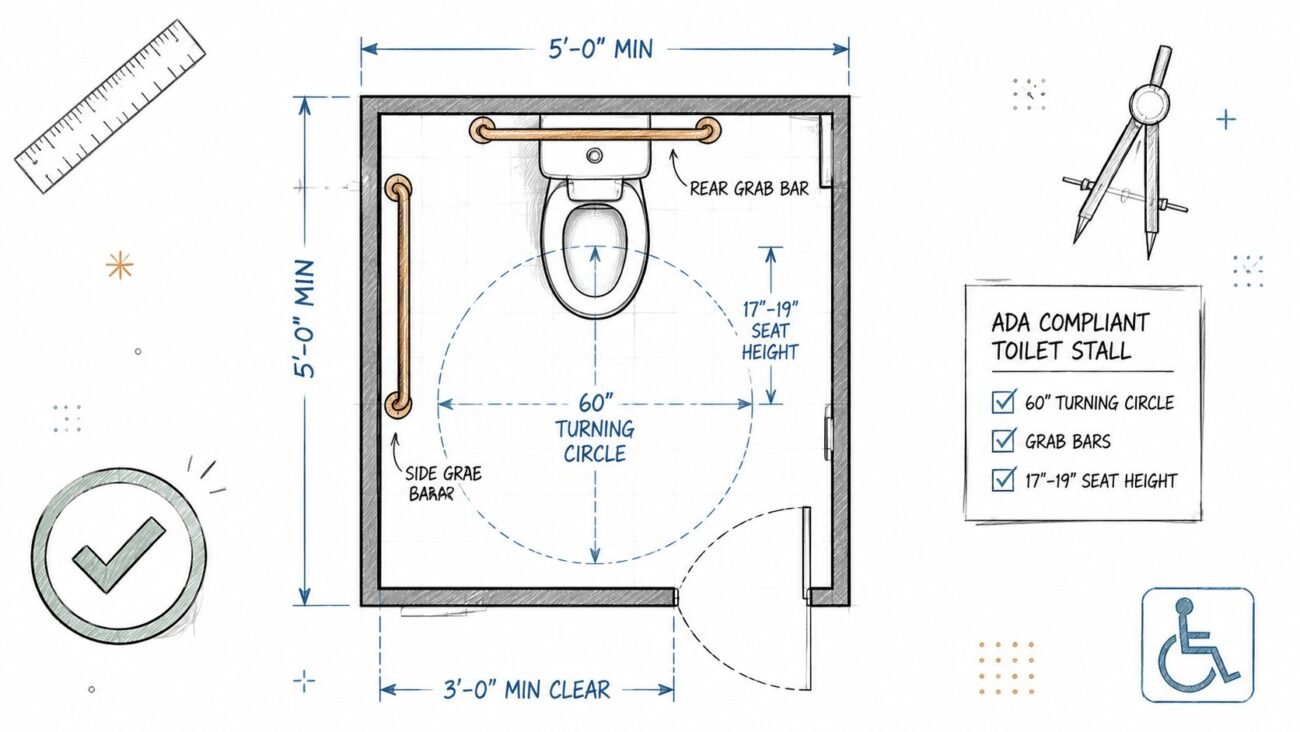
The reviewer flags missing egress information, a couple of MEP conflicts that were never resolved in the sheets, and accessibility notes that don't match the rest of the set. That's not a routing problem. It's a production problem. The expediter can carry a clean package through the process, but they can't redraw details, reconcile disciplines, or retroactively make an incomplete set compliant.
See the permit set checklist that should exist before submittal and the pattern becomes obvious. The pain isn't always the city's timeline. It's the number of times a team has to touch the package again because the documents weren't ready for review in the first place.
A good expediter can move a complete package. They can't rescue an incomplete one.
That's why production teams feel the delay twice, first in the correction cycle, then in the rework. The submission looked ready on paper, but the set wasn't ready for a reviewer who expects coordination, consistency, and enough detail to make a decision without guessing.
What Permit Expediting Services Actually Do
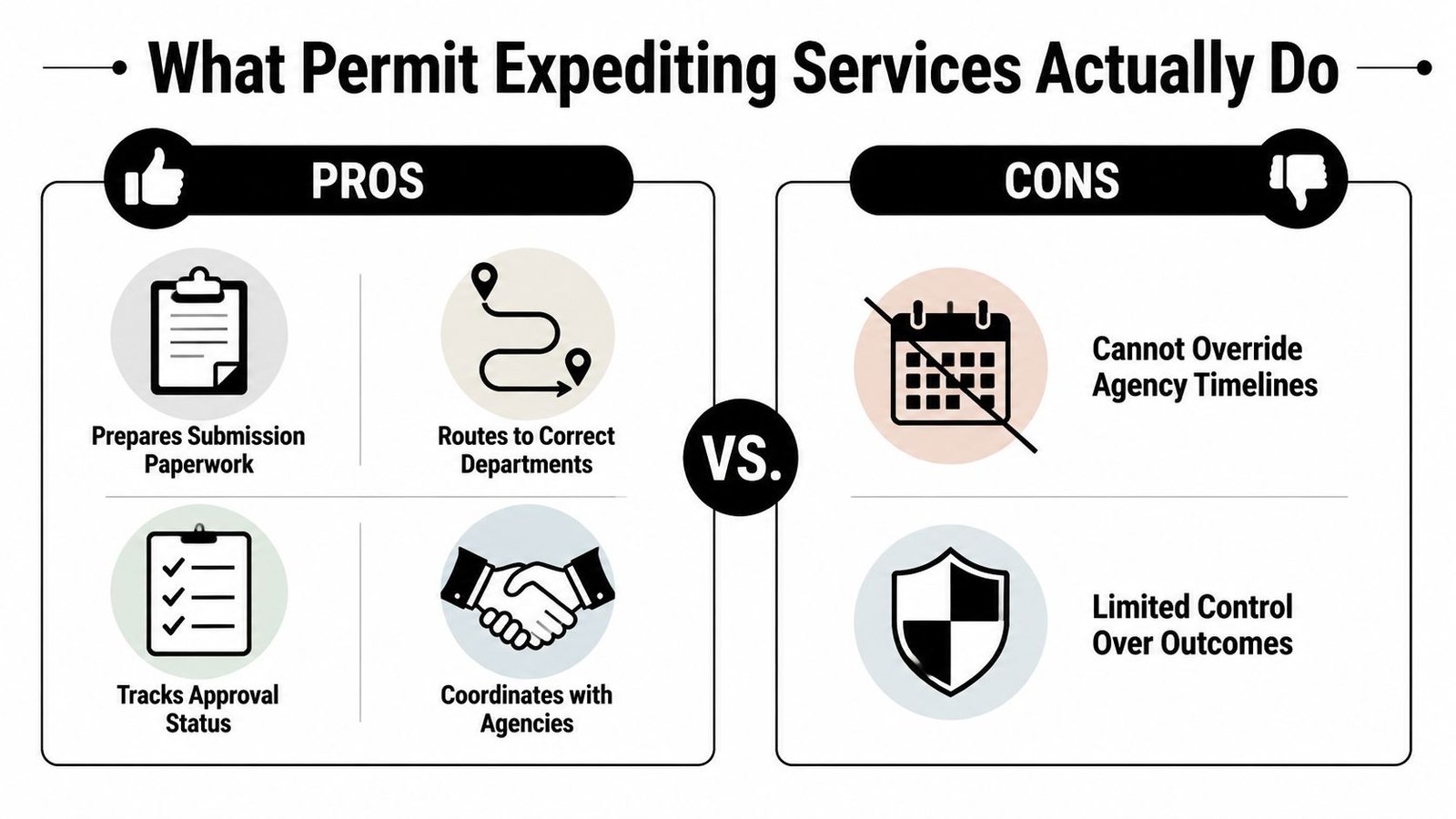
A permit expediter is a process manager, not a designer. The role is to prepare submission paperwork, route the application to the right department, track approval status, coordinate with agency staff, and keep the project moving through the administrative side of review. That's real value, especially when the jurisdiction is busy, the filing path is messy, or nobody on the team has time to chase status updates.
The tradeoff is just as important. An expediter doesn't fix missing information, and they don't reconcile a clash between architectural and mechanical drawings. They also don't replace code analysis, because they aren't there to author the design or close out plan-check corrections inside the sheet set.
The scope is narrower than most teams assume
Permit expediting services help with the handoff and the follow-through. They reduce the chance that a submission lands in the wrong queue or stalls because the filing package is incomplete. That's why the service exists in the first place, permitting is structurally complex and time-sensitive, and the operational value comes from reducing administrative rework rather than improving the drawings themselves, as the industry overview on permit expediting describes in permit expediting service workflows.
The same boundary shows up in practice across the broader market for permit expediting services. The sector has grown because projects are more coordinated, codes are more layered, and the cost of delay is visible. But growth in the service doesn't change what the service is.
If you want a more operational view of the role, the steps are simple. A permit expediter prepares, routes, tracks, and follows up. A production team still has to deliver a sheet set that doesn't force the reviewer to become a detective.
For teams that are already thinking in workflow terms, this is closer to a documentation control problem than a speed problem. The right kind of support can be useful for applicants who need help managing many moving pieces, and resources like explore top AI scrapers for developers are sometimes relevant when teams are building internal research or tracking tooling around repetitive process work. But that's still a coordination layer, not a substitute for clean construction documents.
Where the Real Delay Usually Comes From
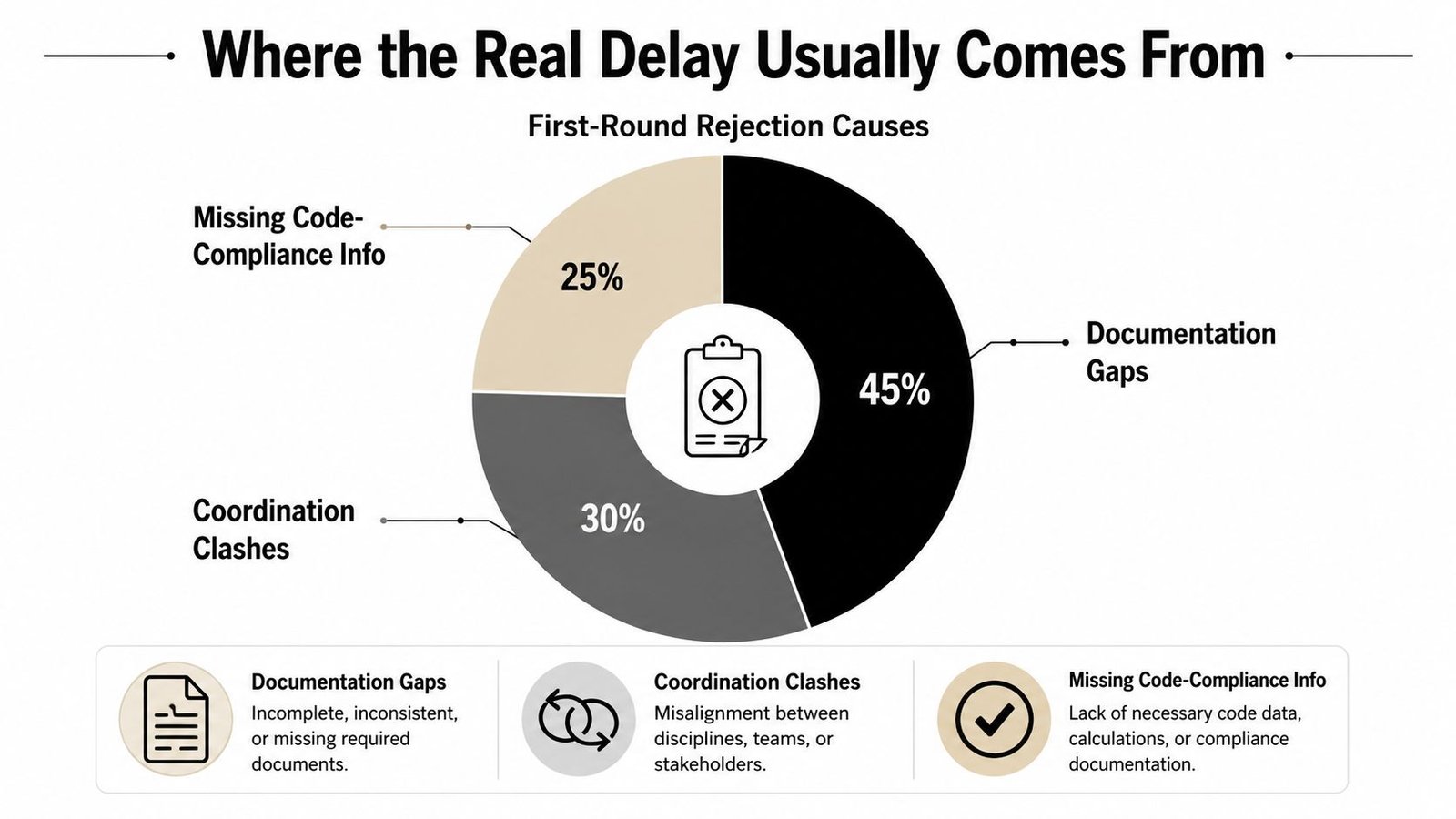
Most first-round rejections aren't caused by the review queue alone. They come from the same small group of failures that repeat across projects, missing documentation, inconsistent details, unresolved coordination, and code notes that don't line up from one sheet to the next. The reviewer is usually not inventing problems. They're flagging gaps the team left open.
That's why the permit expediting conversation gets skewed. The agency clock matters, but it's mostly a fixed condition. What changes from project to project is the number of correction cycles, and those cycles are usually driven by the quality of the package, not the speed of intake.
Correction cycles are a production issue
If a set goes in with incomplete accessibility information, uncoordinated MEP routing, or details that don't match the scope, the reviewer has to stop and ask for clarification. If RFIs from earlier coordination rounds were never fully folded back into the sheets, the reviewer sees the same ambiguity the project team already had. That's where the delay compounds.
A lot of firms still treat plan check like an external force. In reality, the review team is responding to the information it receives. Clean up the input, and the output gets cleaner too.
The city can only review what's on the page. If the page is inconsistent, the correction list grows.
Production maturity matters more than heroics. Template discipline, reviewer-ready detail, and disciplined handoffs prevent the kind of scattershot resubmittals that burn time and margin. A single correction cycle isn't just a schedule nuisance, it interrupts consultants, forces redraws, and puts pressure on downstream sequencing.
How BIM Heroes Reduces Plan Check Cycles
BIM Heroes doesn't submit permits, track agency queues, or act as a liaison with plan checkers. It handles the upstream work that makes those steps pay off. That means coordinated construction documents, cleaner handoffs between disciplines, and a set that's less likely to come back full of avoidable corrections.
That distinction matters. We're not expediting your permit in the logistical sense. We're removing the reasons it gets bounced back.
Coordination before submittal is the lever
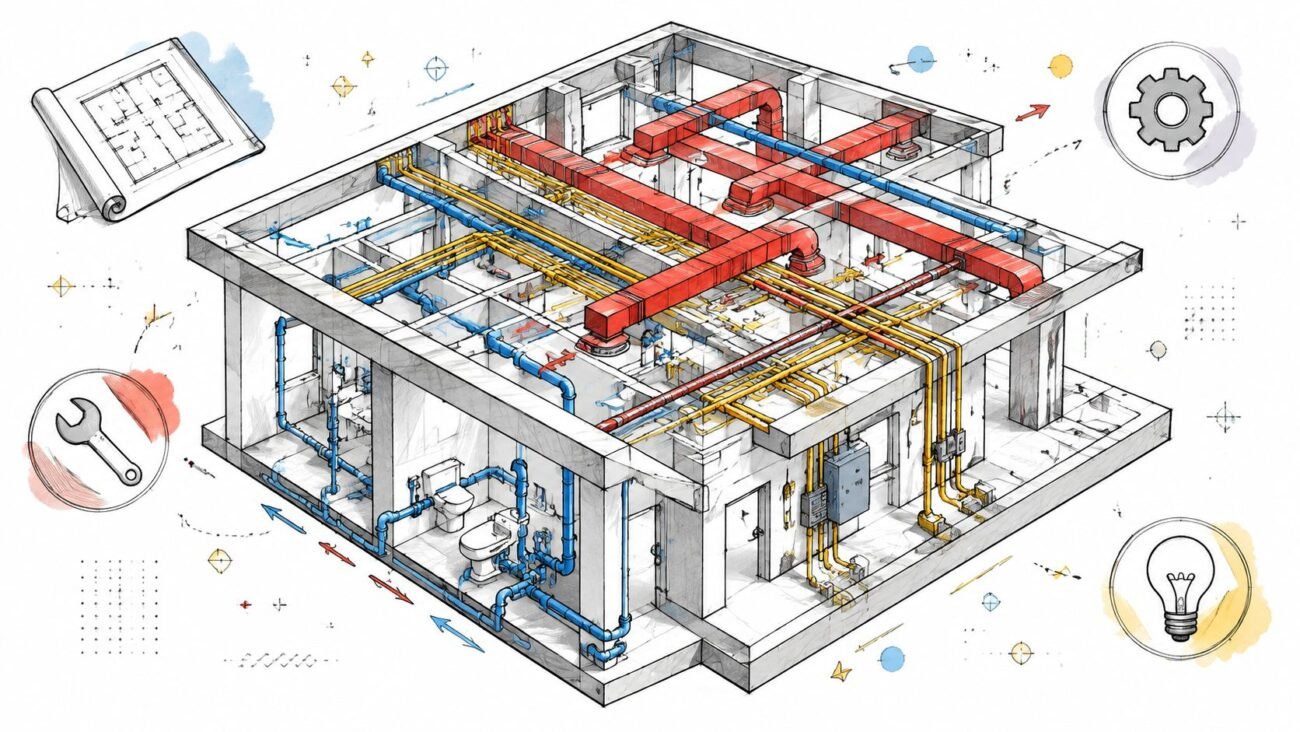
Multi-discipline coordination is where a lot of first-round pain gets prevented. If the architectural plans, structural sheets, and MEP layouts are aligned before submission, the reviewer doesn't have to chase conflicts across the set. That's especially important when the project has multiple stakeholders, because every extra handoff creates another place for a mismatch to slip through.
Code-compliance-checked details matter for the same reason. A reviewer should be able to find the basis for compliance without hunting through notes, addenda, and side conversations. If a detail is verified against the jurisdiction's adopted code cycle and reflected consistently across the package, the correction list gets shorter.
The permit drawings process page is a useful reference point for how upstream documentation work supports the approval path. The point isn't to promise a faster municipality. The point is to reduce the amount of back-and-forth the municipality has reason to create.
Consistency is part of the product
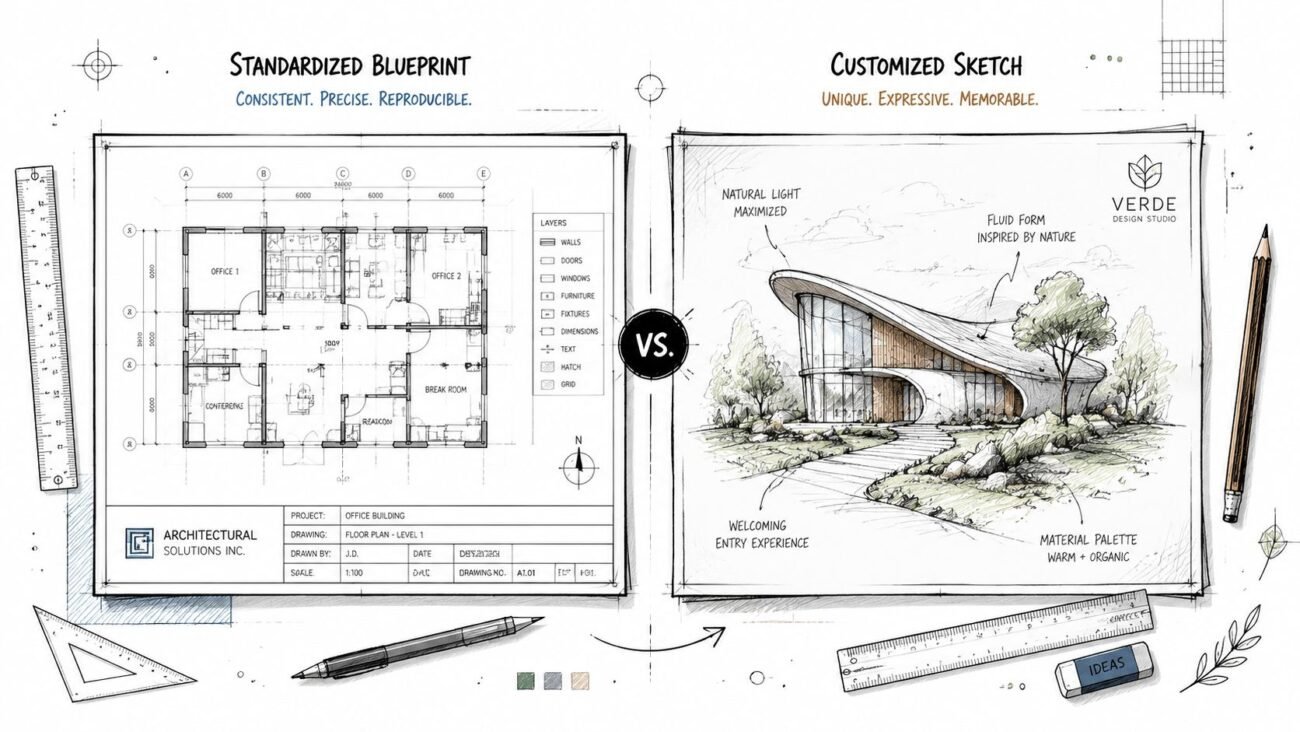
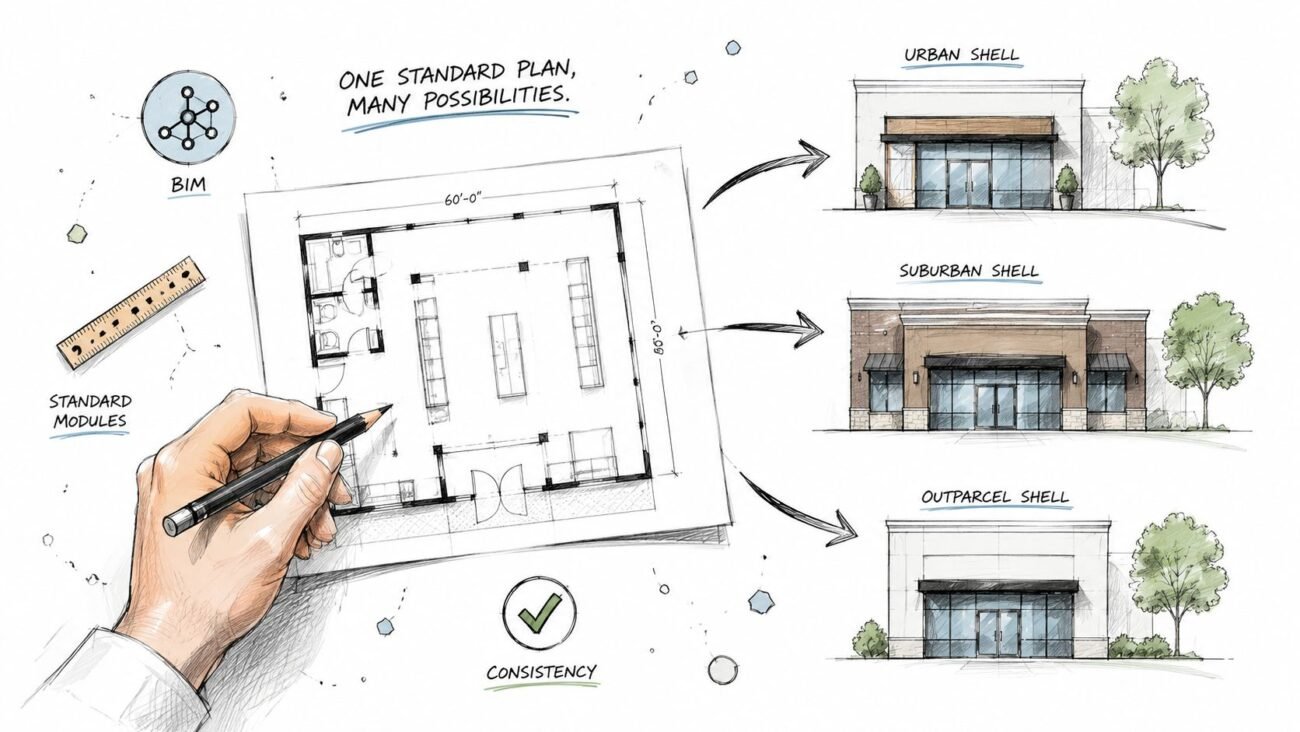
Template discipline sounds boring until you've watched a reviewer get tripped up by sheet order, title block mismatch, or an index that doesn't match the submitted package. Complete and consistent CD sets make the review easier to follow, which matters more than teams usually admit. A reviewer who can move through the set quickly is less likely to pause on housekeeping issues that should've been standardized before submittal.
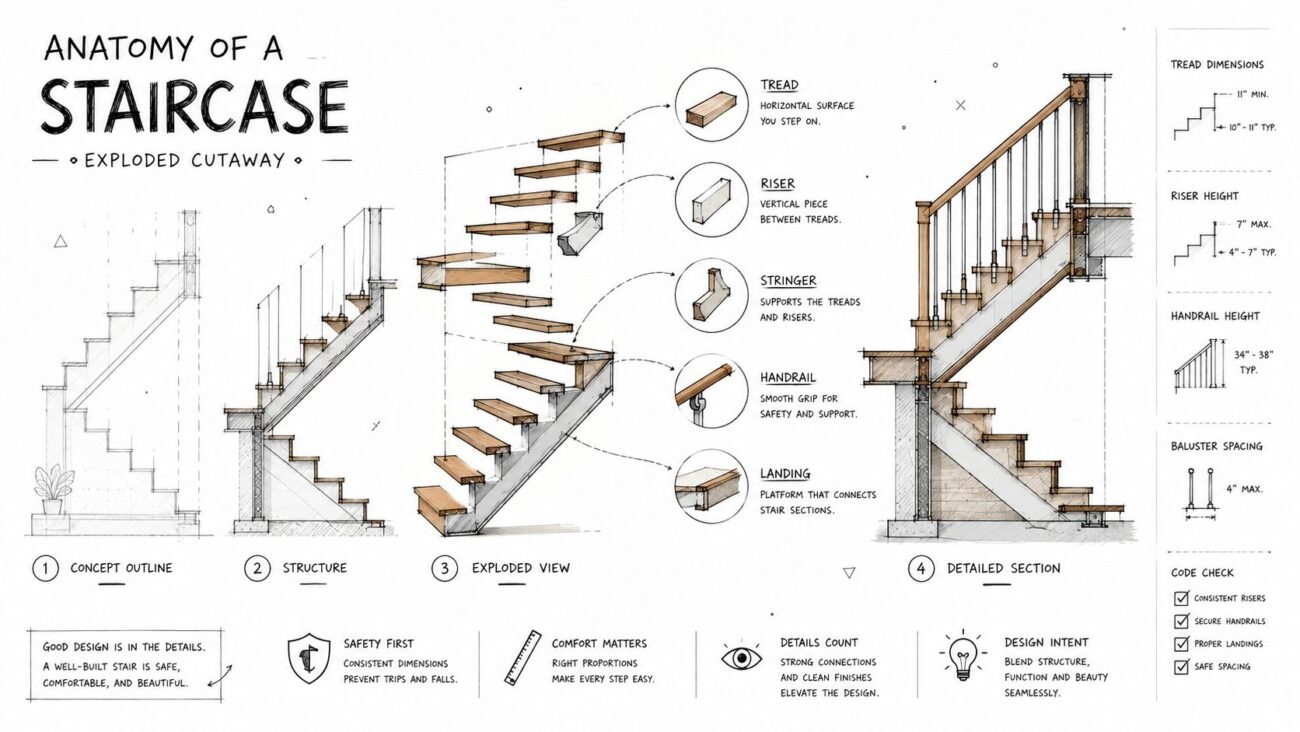
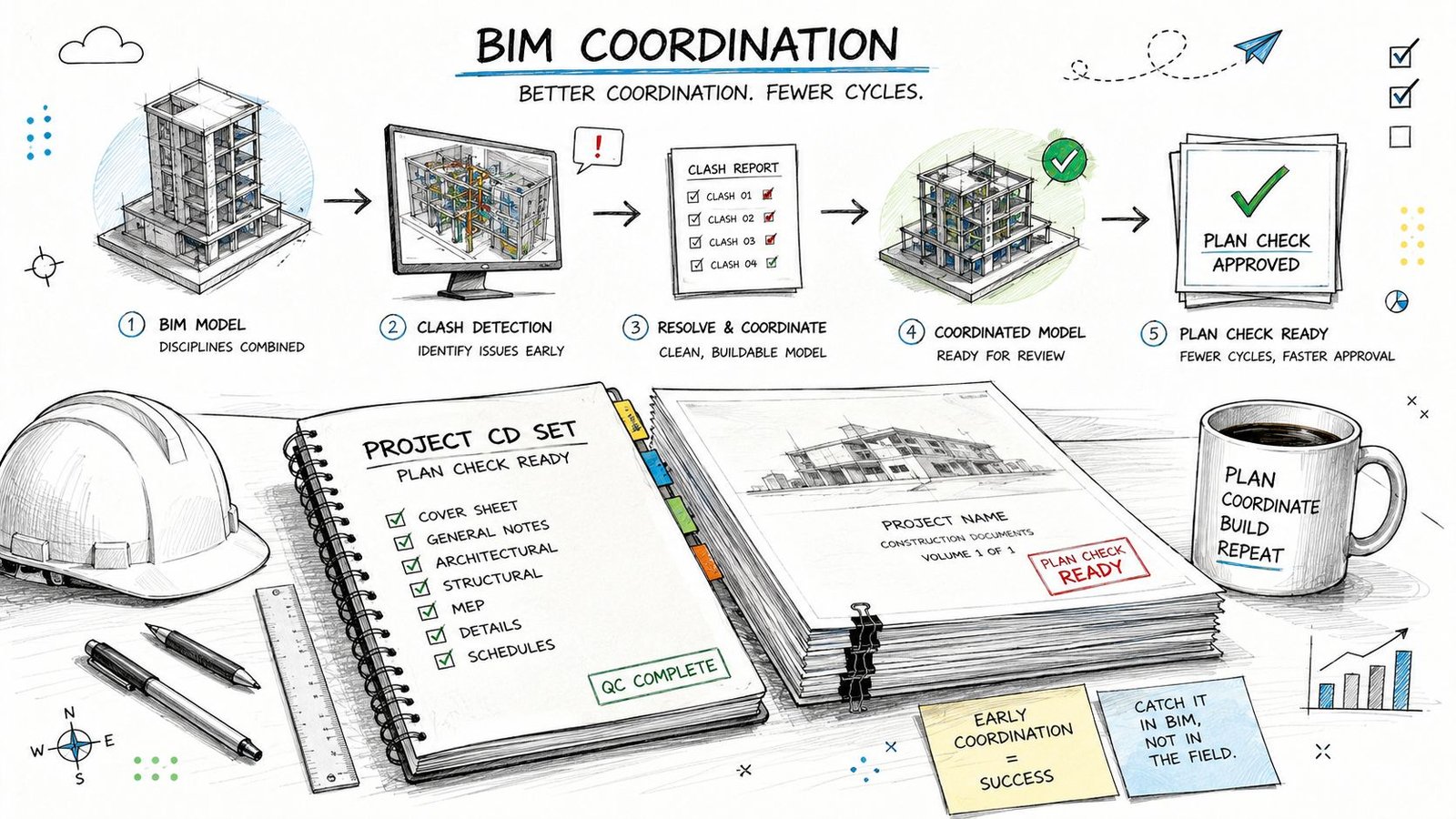
One practical example is the way BIM production can catch clashes and scope contradictions before they become written comments. When the CD set is built from a coordinated model and checked as a package, the chances of creating avoidable plan check corrections drop. That's not magic. It's just disciplined production.
Review common Revit modeling mistakes before they reach the sheet set, because many “permit issues” are really modeling or coordination issues wearing a different label.
What a Plan-Check-Ready CD Set Actually Includes
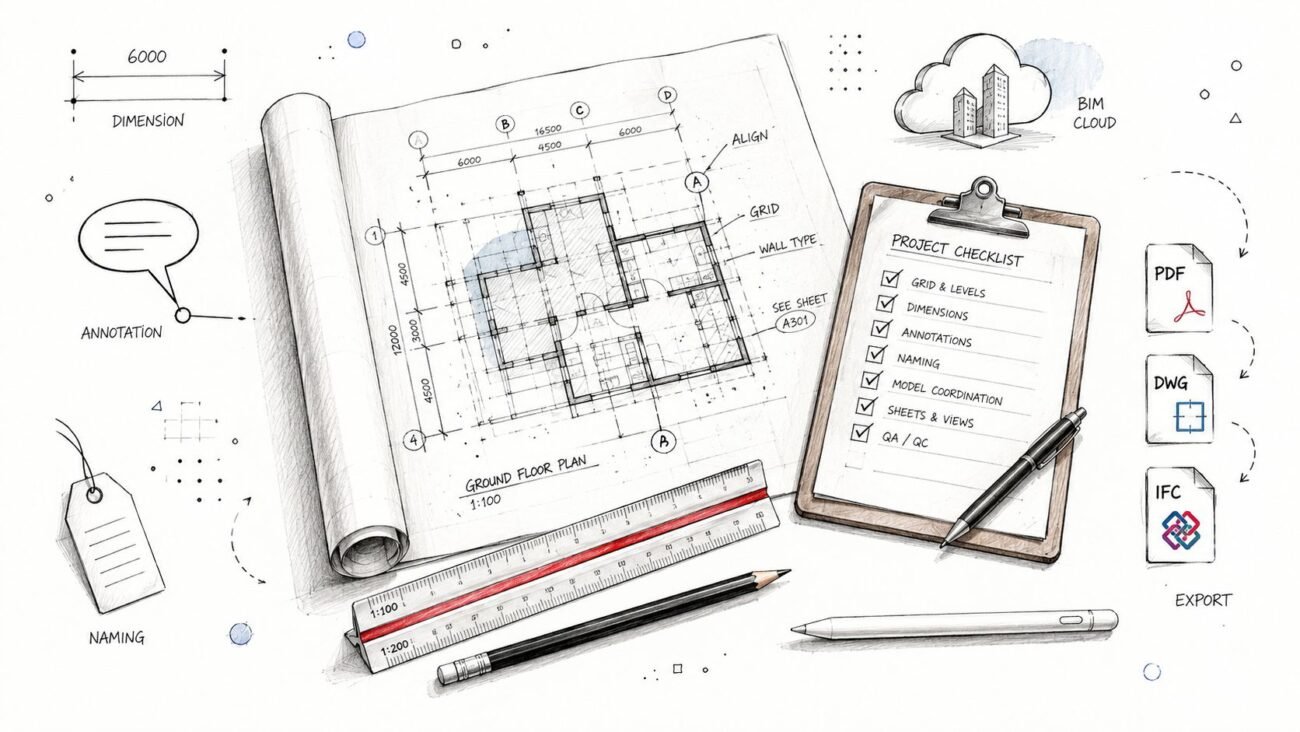
A plan-check-ready set doesn't need to be flashy. It needs to be coherent. The reviewer should be able to open the package, understand the scope, and verify that the documents support each other without chasing contradictions.
The practical checklist
- Coordinated systems: Architectural, structural, and MEP sheets agree on routing, penetrations, and clearances, with clashes resolved before submission.
- Complete code documentation: The set includes the code basis, occupancy assumptions, and compliance notes tied to the jurisdiction's adopted requirements.
- Consistent sheet organization: The index, naming, and sequence follow a template that makes the review easy to follow.
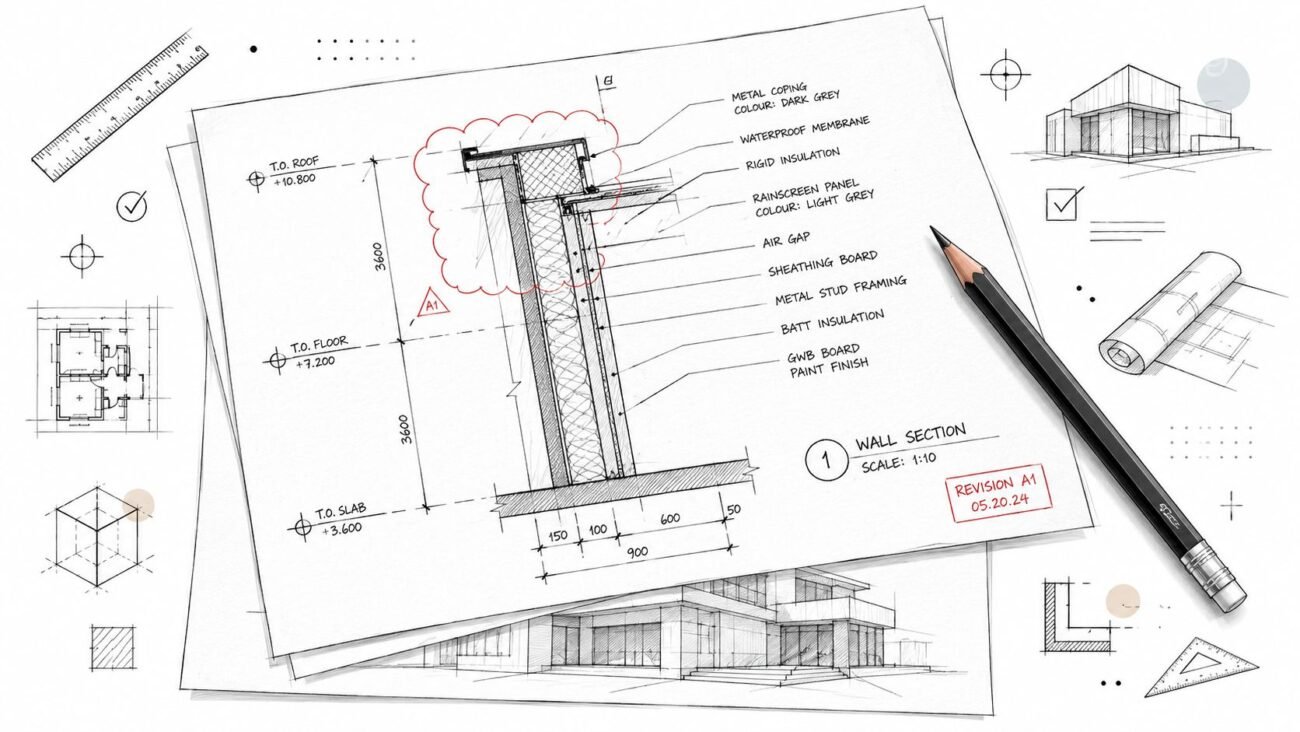
- Fully detailed conditions: Key assemblies and conditions are drawn out instead of left as placeholder notes or “verify in field” language.
- Resolved RFIs: Open questions from earlier coordination rounds are closed before the package goes out.
- Clean filing structure: The cover sheet and index match the jurisdiction's submission requirements, so the package reads like one controlled set.
That list may look basic. It isn't. Most resubmittals start with one of those items missing or inconsistent.
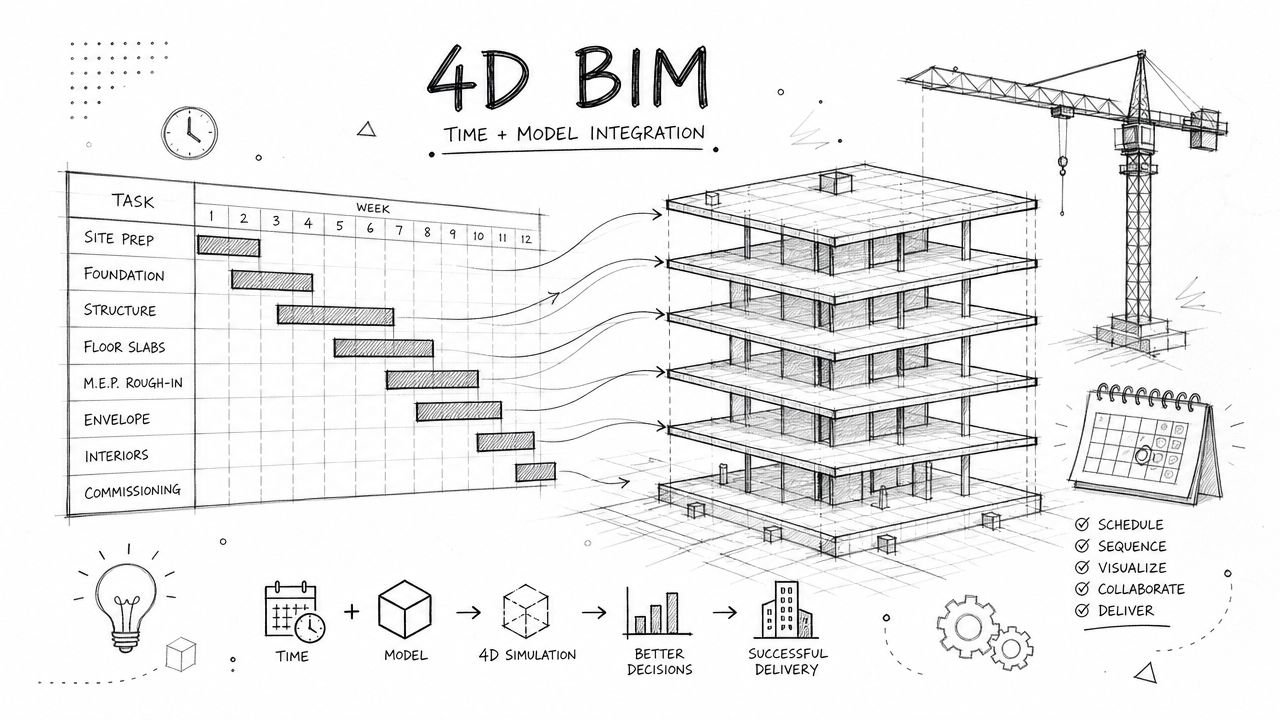
A good team also watches the way information is carried from model to sheet. When BIM workflows are disciplined, the model stops being a separate artifact and becomes the source of coordination for the CD set. That's when the drawing package starts behaving like a production asset instead of a pile of disconnected pages.
The biggest mistake is assuming that more notes will solve weak documentation. They usually make the set harder to review. The stronger move is to remove ambiguity before the files are sent out, then keep the organization tight enough that reviewers don't need to infer intent.
When You Still Need an Expediter and When You Don't
There are situations where permit expediting still adds real value. Large jurisdictions can have deep queues, and projects that need sequential approvals from fire, health, public works, and zoning can benefit from someone who knows how to route the process. Firms without internal submission logistics also gain from having one person own tracking, filing, and follow-up.
That's consistent with broader market guidance. Published pricing ranges for permit expediting services often sit around $500 to $2,500 for simple residential work, $2,000 to $6,000 for moderate projects, and $5,000 to $15,000+ for complex commercial projects, with the higher end reflecting the number of review disciplines that have to be synchronized, according to PermitFlow's permit expediter guidance. Illinois EPA's expedited permitting program also shows how exception-based or fee-based acceleration can work in specific regulatory contexts, including a fee equal to four times the standard application fee, capped at $100,000, before review begins, as described in Illinois EPA's expedited permitting instructions.
The decision comes down to the layer you're missing
If the missing piece is agency logistics, an expediter may be the right tool. If the missing piece is document quality, the expediter won't solve it.
That's the key split. An expediter manages the jurisdiction's process. Production discipline manages the drawing set. The fastest path through review usually needs both to function, but only one deals with the root cause of most first-round rejections.
There are also cases where a public concierge-style program already covers part of the need. Los Angeles County's SmallBiz Permit Express, launched in September 2024 for a limited pilot group, shows that some governments are building their own assistance pathways while still requiring applicants to meet zoning, building, and environmental rules, as noted in the county's announcement. In situations like that, it's worth checking whether the agency already offers support before paying for outside coordination.
If your team already has a stable production process that consistently delivers plan-check-ready CDs, you may not need help on the expediting side at all. You may only need a stronger QA layer and cleaner coordination through the design phase.
The Fastest Path Through Plan Review Starts With the CD Set
The shortest route through plan review isn't a faster submittal. It's a better construction document set. A complete, coordinated, code-compliant package gives the reviewer fewer reasons to issue corrections, and no expediter can rescue a set that's missing information or inconsistent across sheets.
That's the line to keep clear. BIM Heroes doesn't replace a permit expediter in the logistical sense, and it doesn't pretend to. It handles the production work that determines whether the expediter's effort pays off.
If your team wants fewer plan check review cycles, the first place to look is the CD process, not the city's inbox. Book a call with BIM Heroes if you want help tightening the drawing set, reducing rework, and building a review-ready production workflow.