A BIM execution plan is what keeps an architect, structural engineer, MEP team, and GC from each modeling the same wall three different ways and then arguing about who owned the problem. When nobody agrees on origin, naming, LOD, or handoff timing, the model turns into a stack of private assumptions, not a coordinated project. If you're being told “we'll need a BEP,” the question is whether the team is writing a working coordination contract or just filing paperwork.
What follows is the practical version, the sections a real BIM execution plan needs, who should own it, and what breaks when each part is missing.
Why Teams Keep Modeling the Same Wall Three Different Ways
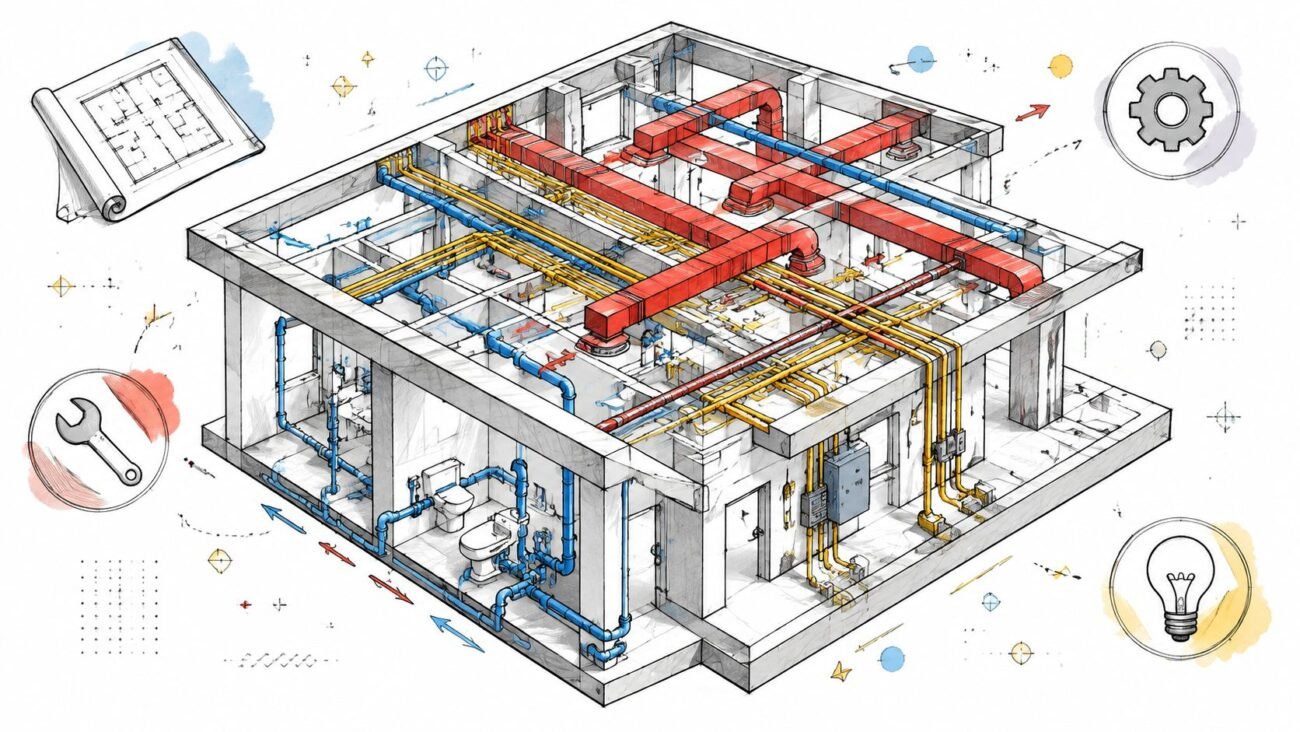
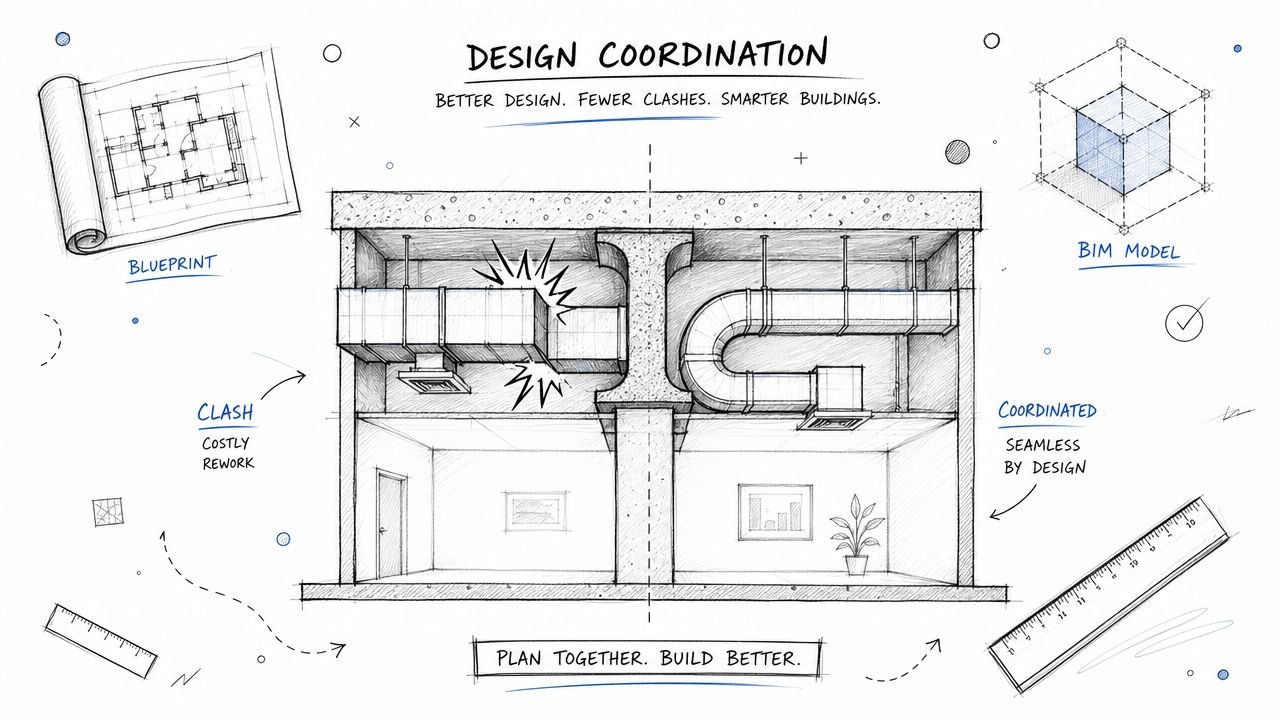
A project can look organized on day one and still drift into chaos by schematic design. The architect models one partition as a clean design intent element, the structural team sees a different alignment basis, and MEP builds around its own offsets because nobody locked the rules early. That's how you end up with repeated coordination cycles, contradictory model outputs, and a lot of avoidable RFIs.

A BIM execution plan is the document agreed at project start that defines how the model is built, shared, checked, and used, and by whom. On real jobs, that means the plan isn't theoretical. It's the playbook that tells every discipline what to deliver, when to deliver it, and what standard to deliver against.
Practical rule: If the BEP can't tell a junior PM what happens next, it's too vague to control production.
The version that matters most on a US job is the one that sets expectations before anyone starts grinding out production. Public owners and large institutional teams have been doing this for years, and the recurring content themes in the field are consistent, project information, model coordination procedures, goals, collaboration, and roles and responsibilities.
What a BIM Execution Plan Is
A BIM execution plan is the project's coordination contract for information management. It spells out how the model will be authored, exchanged, reviewed, and approved, so three disciplines do not model the same wall three different ways and then fight over whose version is right. On a real job, that means the plan sets the rules before production starts, not after the team is already buried in clashes.
Under ISO 19650-style practice, you usually see two versions. A pre-appointment BEP shows how the team intends to work before the contract is signed, and a post-appointment BEP becomes the working plan once the team is hired and the job is live.
That split matters. The proposal-stage BEP proves the team knows how to run the process, while the live BEP controls the actual handoffs, model reviews, and coordination checkpoints on the project. On US work, one version helps secure the job, and the other keeps deliverables from drifting once production begins.
A good plan follows a clear sequence. It sets the BIM goals and uses, lays out the model process, defines deliverables and information exchanges, and establishes the support structure behind the work. That is the level of control a project team needs when the schedule gets tight and coordination starts to slip.
What Belongs in a BEP and What Breaks Without Each Section
Project info and goals
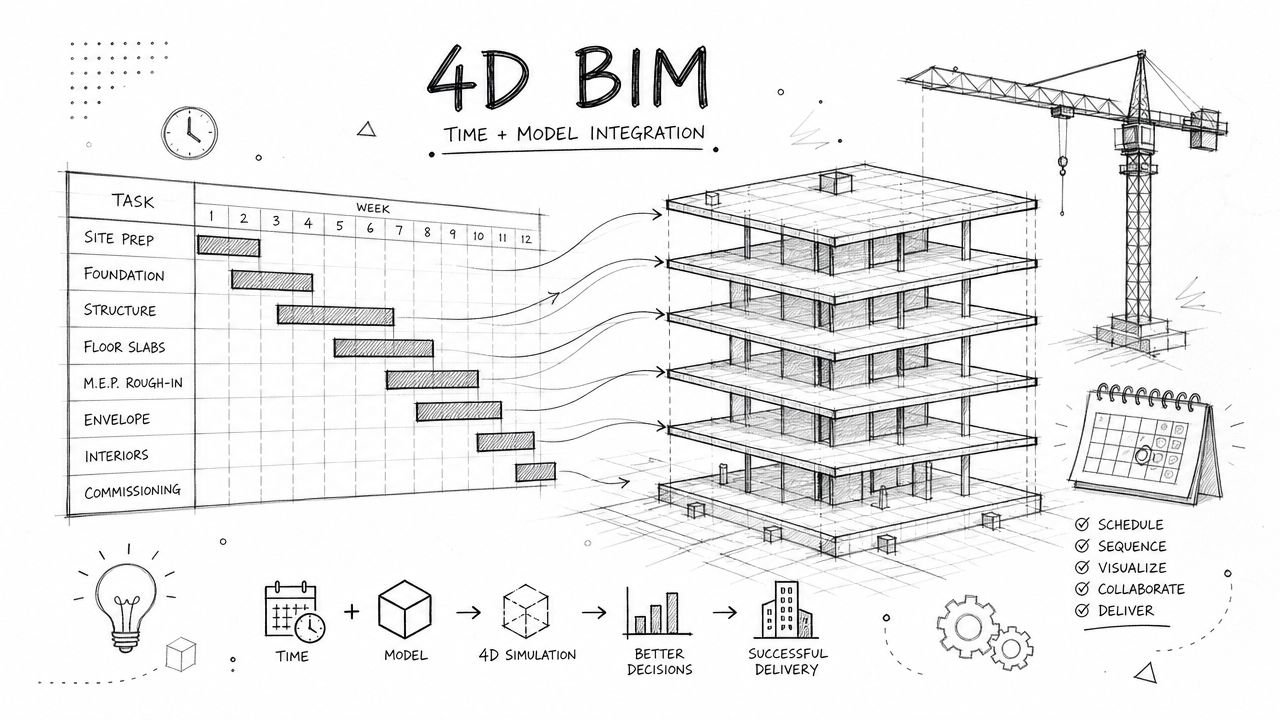
Start with scope, project milestones, and the BIM uses that matter, clash detection, quantity takeoff, 4D sequencing, as-builts, and handover data. If this section is fuzzy, the team models for the wrong purpose, and everyone wastes time polishing geometry that won't support the next decision.
The Pennsylvania State University BIM Project Execution Planning Guide says information exchanges should state the model elements and level of detail required for each BIM use, which is exactly why this section has to be concrete. Don't write “coordination” and call it done.
Roles and responsibilities
Name the BIM manager or coordinator, then define who models what, who reviews it, and who escalates issues when deadlines slip. If nobody owns a package, the work lands in the cracks between disciplines and gets rediscovered during coordination, usually at the worst possible time.
Field rule: If two people think the other one owns a task, the task isn't owned.
Level of Development
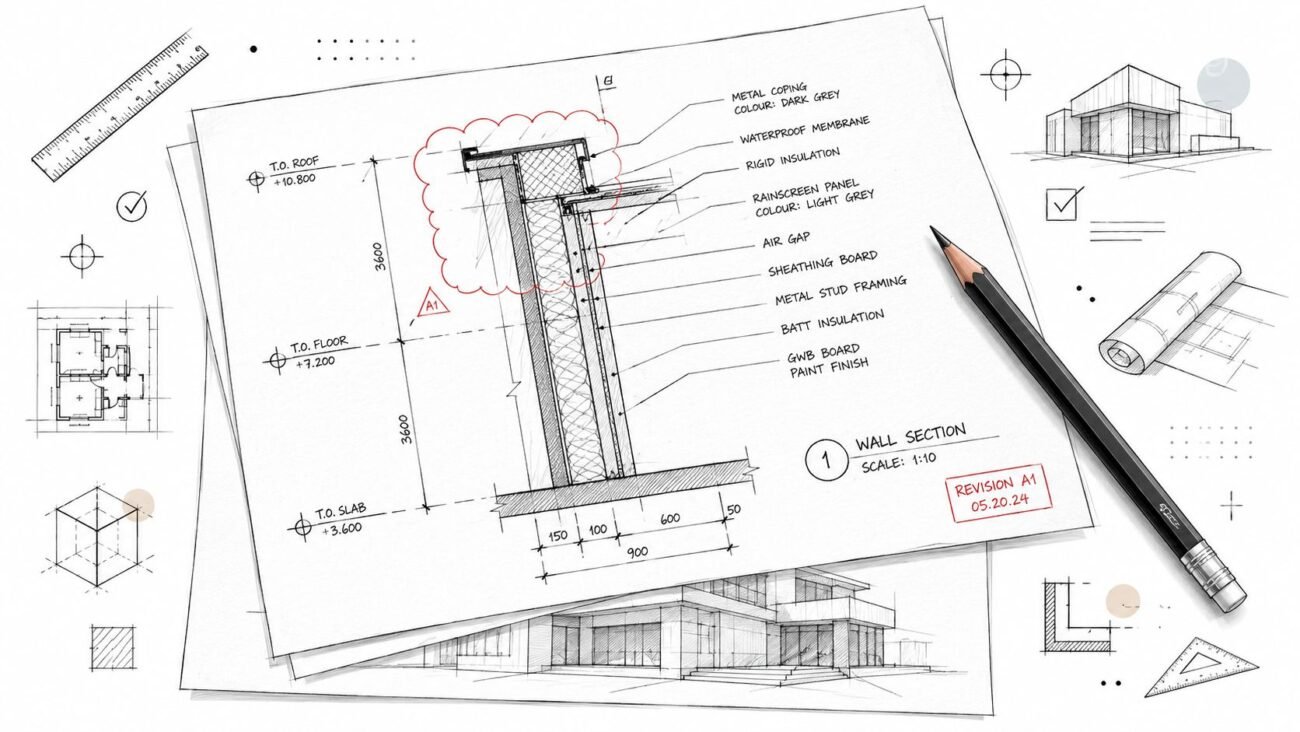
Set LOD by element and by phase, not as a vague aspiration. If you're still sorting through the framework, use our LOD 100 to 500 post when it's live, because the point is to lock model confidence before anyone overbuilds detail too early.
Undefined LOD is where teams overmodel one package and underbuild another, which is how you get late rework, inconsistent coordination, and surprises in the permit or fabrication set.
Modeling standards
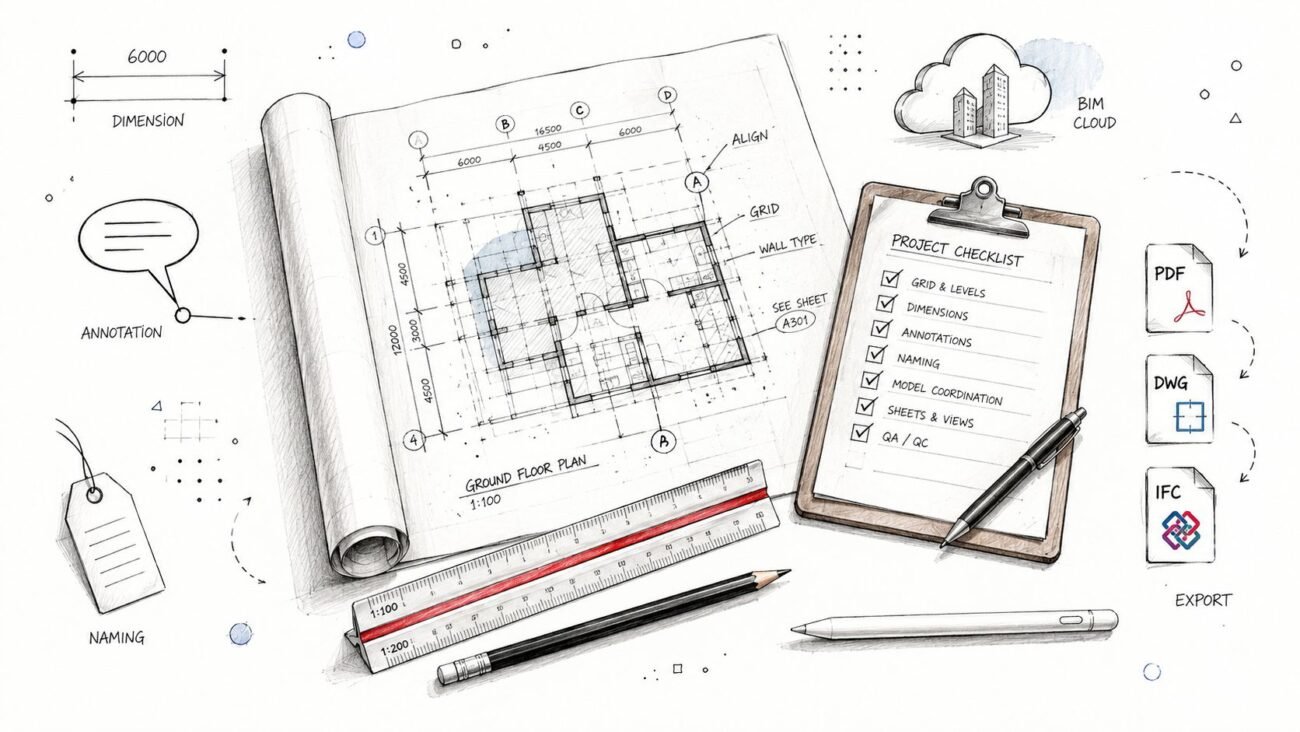
Document software versions, shared coordinates, units, naming conventions, templates, families, and the approved model origin. If this is missing, federated models won't line up cleanly, file naming becomes a search problem, and nobody trusts what they're opening.
For teams working under US practice, this is the point where you keep the model aligned with code-driven deliverables for items like clearances, access, and coordination around IBC, IECC, and ASHRAE-driven design decisions.
Collaboration and file exchange
Spell out the common data environment, folder structure, file formats, and model-sharing cadence. If you don't define how files move, people start emailing models around, using stale links, and overwriting each other's work outside the record.
That's exactly where a project starts losing version control, and once that happens, the team spends meetings figuring out which file is current instead of coordinating design.
Coordination and clash detection
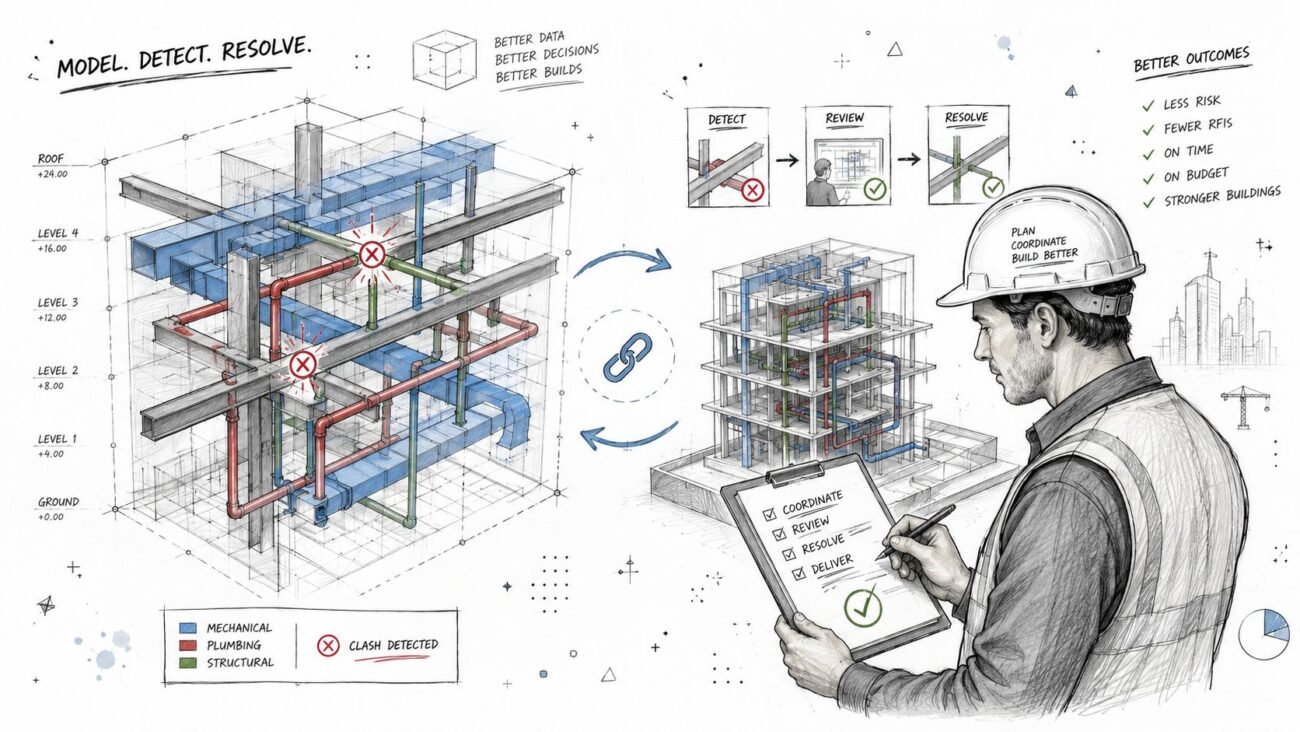
Set the clash meeting schedule, tolerance rules, issue-tracking method, and sign-off process. If you want a sharper read on the difference between managing coordination and just running software checks, use our clash detection post for the constructability side of it.
Without clear clash ownership, problems age in the issue log and turn into RFIs, field changes, and frustrated supers who can't wait for another meeting.
Deliverables and data
List exactly what gets handed over at each milestone, in what format, and for whom. That includes RVT, IFC, DWG, NWD, BCF, or other project-specific outputs, plus the data fields expected for downstream use.
If deliverables are vague, people guess at the handoff package, and the owner or GC gets a model that looks complete but doesn't support procurement, permit closeout, or turnover.
QA and QC
Define model health checks, review gates, and who approves each submission. If no one validates the work before release, errors survive into the next coordination cycle and get multiplied by every downstream team.
A good BEP treats quality control as a gate, not a courtesy. That's the difference between catching problems in the model and finding them in the field.
Who Writes the BEP and When It Gets Updated
The BIM manager or coordinator should draft the BEP, but that work needs input from the architect, engineer, GC, and the key trade partners. If one team writes it in isolation, the plan reflects office habits instead of how the job will run. That is how three teams end up modeling the same wall three different ways, then wasting coordination time trying to reconcile the mess.
Start the BEP at project kickoff, before serious modeling begins. Build it around the project goals, milestones, deliverable strategy, survey approach, approval process, and the standard methods for origin, naming, tolerances, templates, and attribute data. The BIM and VDC discussion makes the same point from the delivery side, planning has to match how the project will be executed.
Update the document at phase changes, when new trades join, and after major coordination milestones. Staffing changes happen. Scope shifts happen. If the BEP stays frozen while the project moves, the team starts working from stale instructions and coordination falls apart fast.
Outsourced production raises the stakes. The BEP is the control document that keeps an in-house PM, an offshore production pod, and the consultant team aligned on the same expectations. Without that, each group builds its own version of the truth, and the result is avoidable rework, version confusion, and drawings that do not line up in the field.
For firms that need help structuring that process, our BIM project management page shows how execution planning connects to day-to-day delivery discipline. Keep the BEP active through the job, review it when the team or scope changes, and use it to keep coordination decisions consistent instead of letting every group improvise its own standards.
Common BEP Mistakes That Cost Real Money on US Projects
The same failures show up again and again on real jobs. A BEP gets written after modeling has already started, so three teams end up building the same wall three different ways and then spending the rest of the job trying to reconcile the mess.
-
Copy-pasting a generic template. It ignores the project's real deliverables, so the team follows rules that do not fit the job. Write the BEP around the actual scope, contract language, milestone sequence, and the handoff points that matter in the field.
-
Leaving LOD undefined. That pushes detail decisions too late, which drives rework and inconsistent modeling across disciplines. Assign LOD by element and by phase, then hold teams to it from the start.
-
Not naming the coordinate system. Federated models drift, and model imports stop lining up cleanly. Lock origin, orientation, and coordinate protocol before production starts.
-
Failing to assign clash ownership. Issues sit unresolved until they become RFIs or field changes. Name who resolves what, and by when, in the coordination workflow.
-
Never updating the document. The plan stops matching the project once the team changes or the phase advances. Treat the BEP as a living control document, not a one-time submittal.
A recent review of BEP documents found the same core topics recurring again and again. That is the signal. The market already knows what has to be in the plan. The failure is on execution, not theory.
If you want the delivery side of that argument, the BIM and VDC discussion points to the same problem. The plan only works when it matches how the job will be run, not how someone wishes it would run.
How ISO 19650 Fits and How BIM Heroes Runs the BEP for You
A BEP that keeps three teams from modeling the same wall three different ways has to do more than satisfy a standard. ISO 19650 gives you the structure for that discipline. It defines how information gets named, approved, exchanged, and controlled, and buildingSMART's overview of ISO 19650 is the cleanest neutral reference if you want to see the standard in plain terms. On real projects, the BEP only earns its keep when it is written early, kept current, and used to control production instead of sitting in a folder.
BIM Heroes fits into that workflow by handling the production side without turning your internal team into coordinators full time. If your staff needs Revit production support, we help set up the BEP, align the workflow, and keep the deliverables moving with less confusion across disciplines. That lets your project leaders stay on decisions, while the modeling side stays organized and accountable.
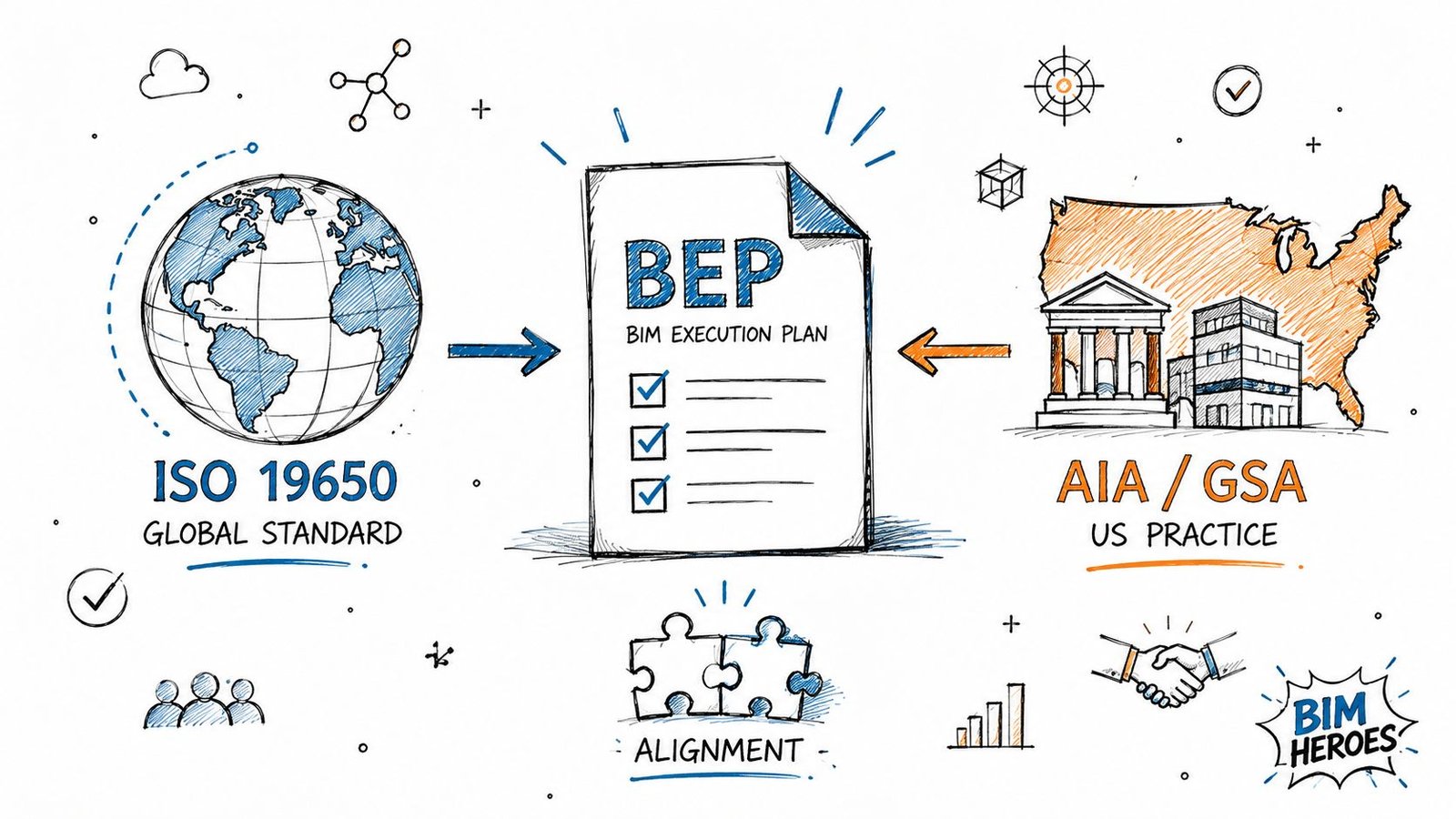
The practical test is simple. If the BEP does not prevent field problems, it is paperwork. If it does its job, the team knows who owns what, which information gets released, and how the model supports coordination instead of creating rework.
For teams that want the delivery side explained in plain language, the BIM and VDC discussion gets at the same issue from a different angle. The plan has to match how the job will be run, because coordination failures start when the document and the work stop lining up.
If you are scoping a job and want a BEP that keeps coordination tight instead of adding noise, send us the project details. You can book a call with BIM Heroes for a free LOD recommendation and pricing within 24 hours, and we will tell you what belongs in the plan before your team starts modeling.